BBC's Queen Elizabeth II Documentary Criticized as Superficial Royal Hagiography
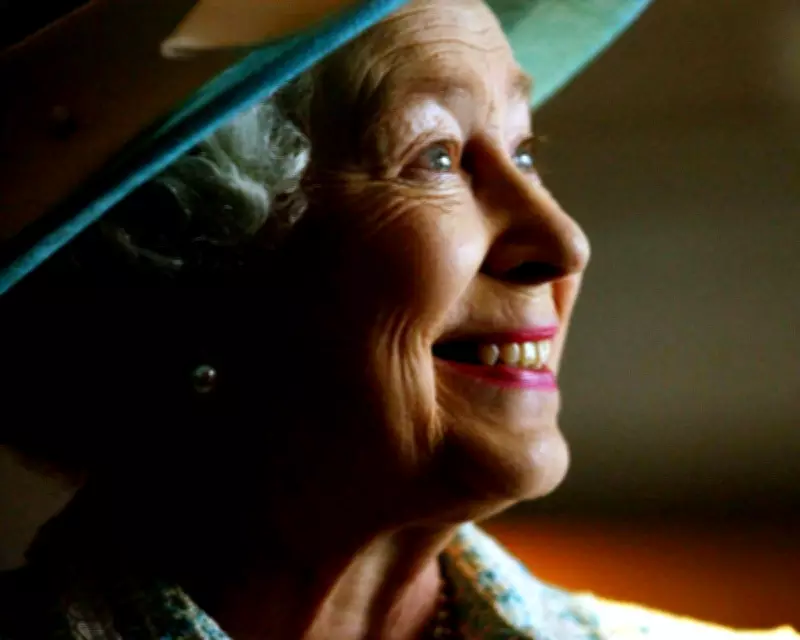
A new BBC documentary commemorating what would have been Queen Elizabeth II's 100th birthday has drawn sharp criticism for presenting what reviewers describe as a highly basic, royalist-pleasing hagiography that rapidly skims over the darker aspects of the crown. The hour-long film, titled Queen Elizabeth II: Her Story, Our Century, explores British history through the prism of the nation's longest-reigning monarch but has been accused of offering little beyond what viewers might already know from popular series like The Crown.
Nostalgia and Confusion in a Changing Monarchy
The documentary arrives at a time when public confusion persists about royal titles, with many still instinctively associating "the queen" with Elizabeth II rather than Queen Camilla. This psychological clinging to the past reflects broader societal tensions, yet the BBC's production does little to address these complexities. Instead, it promises to span a century of British change—from empire to celebrity culture, the Blitz to the 2012 Olympics—through archive clips and commentary from notable figures including Barack Obama, Helen Mirren, David Attenborough, and Tony Blair.
However, the film frequently interjects with unnecessary holding cards stating obvious points, such as highlighting "one extraordinary life" at the story's heart without clear context. Much of the runtime recaps historical events familiar to anyone with basic knowledge of 20th-century Britain, treating viewers as if they need elementary explanations about figures like Edward VIII and his relationship with Wallis Simpson.
Emphasis on Duty Over Difficult Truths
The documentary repeatedly emphasizes Elizabeth II's sense of duty, with commentators like Kirsty Young praising her handshake proficiency after George VI's death and former Lioness Jill Scott controversially labeling the queen as Britain's "manager" during the pandemic—a characterization likely to surprise public health officials like Chris Whitty. In contrast, discussions about the monarchy's more problematic legacies are notably scant.
When the empire is briefly mentioned, historian David Olusoga offers a diplomatic summary, describing the journey to independence for many nations as "fraught" with "some violence," but the film quickly moves on. Similarly, the historic 2011 visit to Ireland includes multiple clips of the queen in a green two-piece yet omits any reference to Bloody Sunday, while Prince Andrew's association with Jeffrey Epstein receives a mere two-minute segment that mentions his payout to Virginia Giuffre without acknowledging alleged financial assistance from his mother.
Missed Opportunities for Nuanced Exploration
There are fleeting moments where a better, more nuanced documentary shines through, such as touching segments on the Aberfan mining disaster and the queen's initial missteps following Princess Diana's death. These instances reveal the potential for a deeper exploration of her reign's complexities, but they are consistently brushed aside with such haste that critics suggest external pressures may be at play.
Ultimately, the BBC faced a choice between two documentary approaches: a respectful, nuanced examination of Elizabeth II's reign and British history, or a superficial hagiography tailored for royalist audiences. According to reviewers, commissioners unequivocally chose the latter, resulting in a film that feels more like a promotional piece than a critical historical analysis. Queen Elizabeth II: Her Story, Our Century aired on BBC One and remains available on iPlayer, though it may primarily appeal to those seeking uncritical royal nostalgia rather than substantive insight.