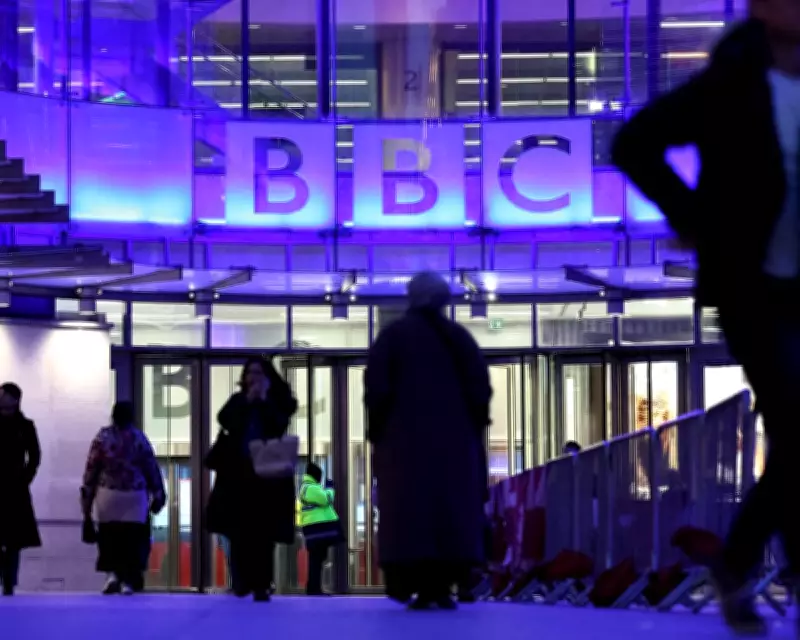
BBC Announces Up to 2,000 Job Cuts in Major Restructuring Effort
The BBC is poised to cut as many as 2,000 jobs, marking the most significant downsizing at the public service broadcaster in 15 years. This reduction will impact approximately 10% of the BBC's 21,500 employees, with staff informed during an all-staff meeting on Wednesday.
Leadership Transition and Financial Pressures Drive Cuts
The job losses, the largest since 2011, are being implemented ahead of Matt Brittin's appointment as director general next month, replacing Tim Davie. The BBC announced a £600 million cost-cutting plan in February, which included headcount reductions and the end of some programming. Davie had previously stated the need to cut 10% of the BBC's £6 billion annual cost base over the next three years.
Rhodri Talfan Davies, the interim director general, led the staff meeting, as reported by the Financial Times. He will oversee the corporation until Brittin assumes the role on May 18.
Union and Industry Reactions to the Downsizing
Philippa Childs, head of the union Bectu, expressed concern, stating, "Cuts of this magnitude will be devastating for the workforce and to the BBC as a whole." She emphasized that previous redundancy rounds have already strained staff, and further reductions could hinder the BBC's ability to fulfill its public mission. Childs called for the government to secure long-term funding during charter renewal negotiations.
The BBC's royal charter expires at the end of next year, with ongoing discussions about the licence fee mechanism. The fee increased to £180 annually on April 1, but licence fee-paying households decreased by 300,000 year-on-year due to evasion and competition from digital platforms like Netflix and Disney.
Financial Context and Strategic Shifts
Last year, the BBC generated £3.8 billion from licence fees and £2 billion from commercial activities. However, the rise of streaming services poses challenges. In February, Davie noted the BBC was "holding our own" against competitors like YouTube, but Ofcom has warned that public service television is becoming an "endangered species" in the streaming era.
To adapt, the BBC is expanding its iPlayer service, including a content deal with YouTube announced in January. The corporation stated, "In a rapidly changing media market, we continue to face substantial financial pressures. This is about the BBC becoming more productive and prioritising our offer to audiences."
This restructuring reflects broader trends in the media industry, as traditional broadcasters navigate financial constraints and evolving viewer habits.