Rediscovering the Forgotten Stars of New York's 1960s Art Scene
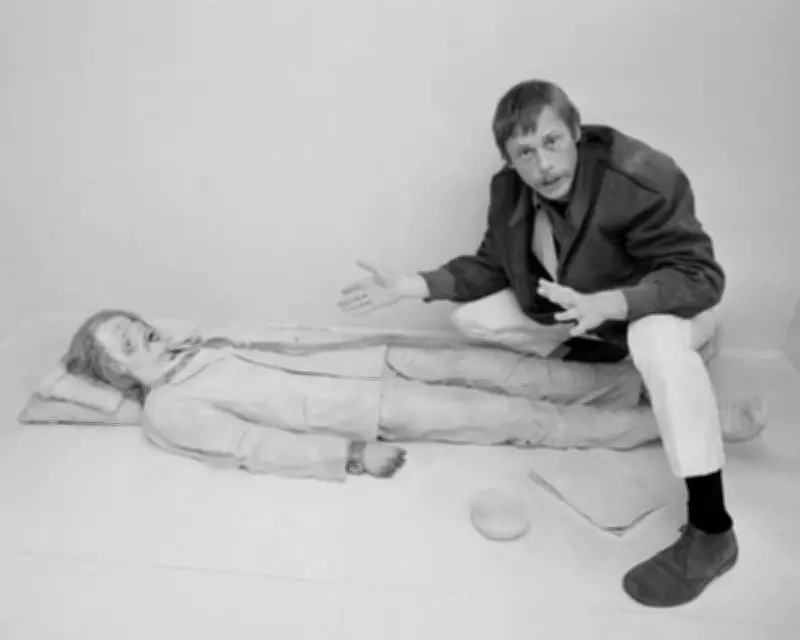
In April 1968, artist Paul Thek stood beside his provocative wax sculpture installation, 'Death of a Hippy,' a piece that captured the raw energy of the era. This moment, immortalized by photographer Terry Disney, symbolizes the vibrant yet often overlooked contributions of Thek and his contemporary, photographer Peter Hujar. Andrew Durbin's new biography, The Wonderful World that Almost Was, delves into the lives of these two queer artists who once stood at the heart of New York's creative world, only to slip into obscurity. Published by Granta, this intimate account challenges the historical neglect of their legacies, painting a vivid portrait of their artistry and personal bond.
The Rise and Fade of Artistic Icons
Paul Thek and Peter Hujar were celebrated figures in mid-20th century New York, admired by luminaries such as Andy Warhol, Susan Sontag, and Gore Vidal. Thek gained fame in the mid-1960s with his shocking 'meat pieces'—beeswax replicas of flesh displayed in vitrines—while Warhol even sent him a Brillo box, which Thek repurposed as packaging. Hujar, known for his intimate photography, captured iconic images like Orgasmic Man (1969), later used as cover art for Hanya Yanagihara's novel A Little Life. Despite their early acclaim, both artists gradually faded from public memory, a fate Durbin seeks to reverse by focusing on their lives before their deaths from AIDS in the 1980s.
A Tender Yet Unflinching Double Biography
Durbin's narrative begins in 1954, years before Thek and Hujar met as soul-searching young men, and concludes in 1975, a decade prior to their deaths. He avoids framing their stories through the lens of tragedy, instead offering a nuanced exploration of their choices, emotions, and complexities. The book details how they pushed boundaries in both art and personal relationships, embracing an open and unapologetic gay dynamic that helped define the era's 'cool.' Durbin, also a novelist, skillfully imagines key moments, such as their fateful meeting in a Washington Square bar in 1960, where subtle gestures hinted at a deepening connection.
Contrasting Personalities and Artistic Visions
The biography highlights the contrasting natures of Thek and Hujar: Hujar was dignified and remote, often immersing himself in the gay scene, while Thek was cuddly and sensual, occasionally grappling with societal expectations of bisexuality. Both prioritized artistic integrity over fame, often choosing authenticity over comfort, even at the cost of financial stability. Their work reflected this commitment—Hujar photographed friends and lovers nude, including Thek masturbating, while Thek created a replica of his own body in 1967, which Hujar also captured. Durbin's portrayal balances their lovable traits with the challenges they posed to those around them.
Legacy and Revival in Contemporary Culture
History may have sidelined Thek and Hujar, but recent efforts are bringing their stories back into the spotlight. In addition to Durbin's biography, a new book of their photographs and letters was published last year, and a biopic starring Ben Whishaw debuted in January. These revivals echo Thek's own hopeful note from his notebooks: 'The tremendous event is still on the way!' Durbin's work not only reclaims their place in art history but also celebrates the enduring impact of queer artists on New York's cultural landscape, reminding us of the vibrant world that almost was.