Inside the Iconic Chelsea Hotel: A Photographic Journey Through Its Creative Heyday
From 1969 to 1971, photographer Albert Scopin resided at New York's legendary Chelsea Hotel, documenting the vibrant and eclectic lives of its inhabitants. This historic building, constructed in 1884, has long served as a sanctuary for artists, writers, musicians, and free spirits, fostering an environment of creativity and inspiration within its aged walls. Scopin's work, now published in Chelsea Hotel by Albert Scopin by Kerber Verlag, offers a rare glimpse into this iconic era.
The Heart of the Hotel: Stanley Bard's Legacy
For over four decades, Stanley Bard, depicted in a 1971 photograph at the reception, was the director and hotel manager of the Chelsea. Starting as a plumber's assistant in 1957 under his father's ownership, Bard took over in 1964 after his father's death. Known for his compassionate spirit, he often allowed struggling artists to pay their bills with paintings, amassing a notable collection displayed throughout the hotel's foyer and corridors. His unwavering belief in the goodness of people defined the hotel's welcoming atmosphere.
Capturing Creative Icons: Patti Smith and Robert Mapplethorpe
Scopin first met Patti Smith and Robert Mapplethorpe at a nude photoshoot in Bill King's studio, where he worked as an assistant. He recalls Smith's boundless energy, contrasting with Mapplethorpe's discomfort during the sessions. Smith's presence was electrifying, filling the studio with a dynamic force that left a lasting impression on both Scopin and King.
Scopin describes Smith's room as a realm of creative chaos, where disorder seemed perfectly arranged, mirroring her resilient and sensitive nature. Her husky voice, especially when reciting poetry, hinted at her impending fame. Meanwhile, Mapplethorpe's ground-floor studio in the hotel annexe was a hub of experimentation, where he crafted bold erotic collages and began exploring photography with Polaroid materials, later recognizing it as an art form.
Eccentric Residents and Their Stories
The hotel was home to a diverse array of characters. Composer George Kleinsinger, famous for Tubby the Tuba, lived there for 25 years, keeping an apartment filled with exotic animals, including a baby hippo. His ashes were scattered on the hotel roof after his death.
Australian artist Vali Myers, a vagabond and activist, arrived after overcoming opium addiction, tattooing Smith's knee and mingling with figures like Dalí and Warhol. She inspired Tennessee Williams' character Carol Cutrere in Orpheus Descending.
Transgender activist Holly Woodlawn, a Warhol superstar, starred in films like Trash and was immortalized in Lou Reed's Walk on the Wild Side. Filmmaker Shirley Clarke, an Oscar winner for best documentary, resided in the hotel's tower apartment, having transitioned from dance to pioneering film direction.
Artistic Contributions and Personal Reflections
Artist Richard Frederick Bernstein transformed the hotel's ballroom into a studio, creating 189 distinctive covers for Warhol's Interview magazine, shaping its bold aesthetic. Stella Waitzkin, another resident, hosted Scopin for tea in her dusty, object-filled room, later revealed as a luminary with works in major American museums.
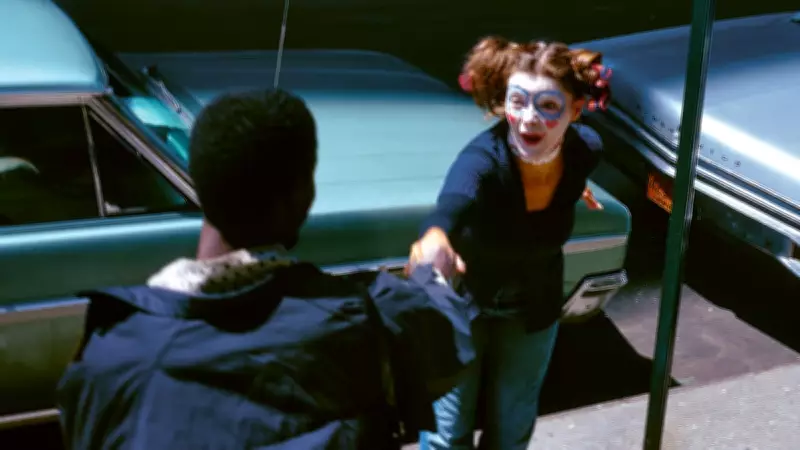
Scopin also photographed runaway children, whose plight deeply moved him, highlighting the hotel's role as a refuge for the vulnerable. His time at the Chelsea was transformative, exposing him to new ideas and lifestyles that reshaped his values. He felt a profound sense of freedom and acceptance among the hotel's eclectic community, an experience he never replicated in later years.
Through Scopin's lens, the Chelsea Hotel emerges not just as a building, but as a living testament to artistic expression and human connection, preserving the stories of those who sought inspiration within its historic walls.