The newly released Neighbourhood Plan for Notting Hill East outlines 13 new projects, including a pedestrian crossing inspired by Oxford Circus, new drinking fountains, street trees, and public art installations. The plan, which results from years of community consultation, aims to guide planning, environment, and amenities in the area for the next two decades.
Plan Details and Community Input
Around 4,500 residents live within the plan's boundary, which is defined by Hereford Road to the east, Westbourne Grove to the south, Westbourne Park Road to the north, and Ledbury Road to the west. The plan will soon be subject to a formal consultation process, allowing locals to voice their opinions on the proposals.
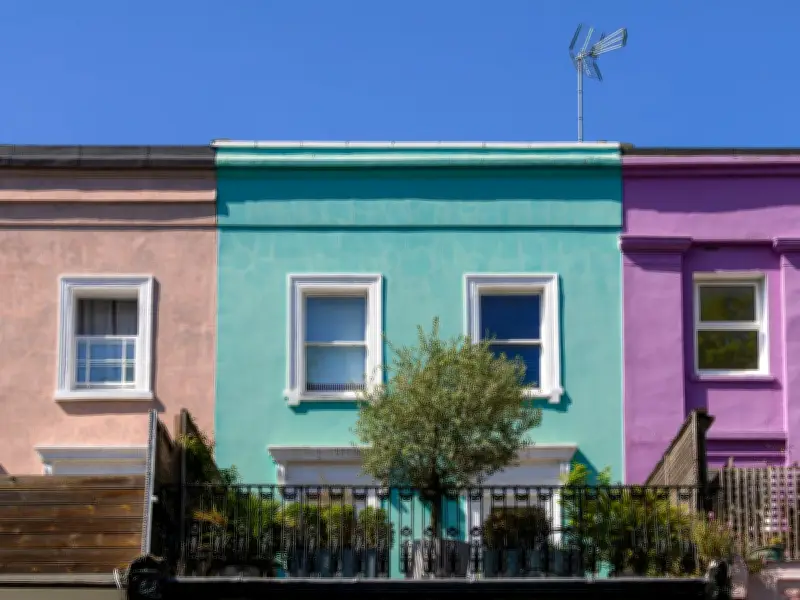
Penny Bagnall-Smith, Chair of the Notting Hill East Neighbourhood Forum, highlighted the area's unique character: “Our neighbourhood reflects the eclectic essence of Notting Hill. We have a buzzing street scene around our shops and restaurants and an ever-expanding group of food purveyors, yet our residential streets are quiet and leafy.”

Key Projects and Improvements
The full list of proposed projects includes a new crossing at Fiveways designed to mimic the Oxford Circus diagonal crossing, allowing pedestrians to cross from all corners. Other initiatives involve revamping St Stephen's Gardens to encourage social interaction, rearranging pavements and plantings on Needham and Artesian Roads, and slowing traffic on interior streets through pavement changes and temporary closures for community gatherings.
Additional proposals include making Wessex Gardens entrances more pedestrian-friendly, adding new crossings across Talbot Road, Ledbury Road, and Westbourne Park Road, and installing air quality monitoring devices throughout the area. Street lamps will be replaced with lower, heritage-style designs to reduce light pollution, and a brand identity will be created to support local businesses.
Community and Environmental Focus
The plan also includes hosting a design competition to fund and install a drinking fountain, adding public art in visible locations, planting additional street trees in specific spots, and creating a local design guide for the streets. These efforts aim to enhance the public realm, which Bagnall-Smith noted currently lags behind the area's handsome and varied housing stock.
“The Plan attempts to capture the essential qualities of our area and enhance them by providing clear, detailed guidance to ensure planning decisions are understandable, consistent, and fair,” she added.
Next Steps
Following the consultation, the plan will be used as a framework for development decisions in Notting Hill East over the next 20 years. Residents and stakeholders will have the opportunity to provide feedback before the plan is finalized.