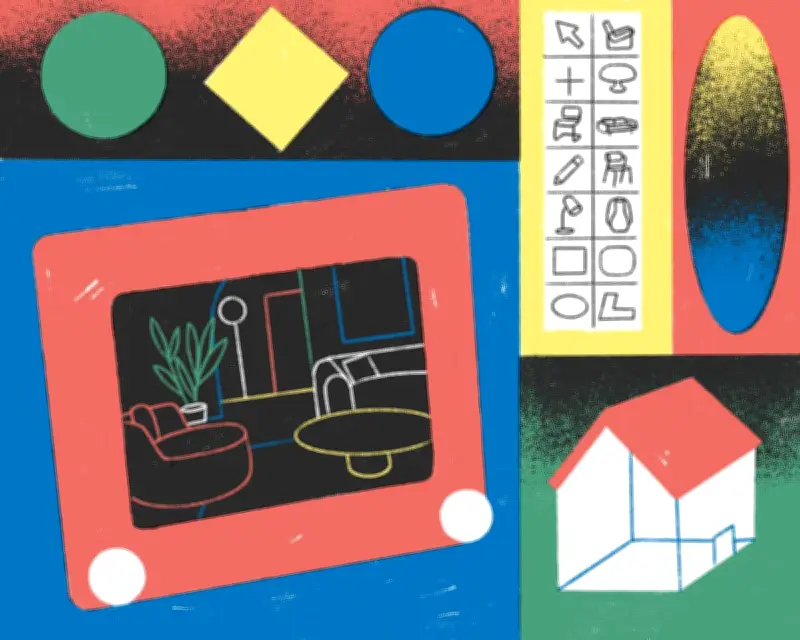
Starting to decorate your home can feel overwhelming, but with a few practical steps, you can transform your space into a reflection of your personal style. According to interior designer Sarah Johnson, 'The key is to start small and build from there. You don't need to redesign everything at once.'
Begin with a Plan
Before making any purchases, take time to assess your space and identify your goals. Consider how you use each room and what atmosphere you want to create. Make a list of priorities, such as improving functionality or adding color.
Measure your rooms and note architectural features like windows, doors, and built-ins. This will help you choose appropriately sized furniture and avoid common mistakes like buying a sofa that's too large for the space.

Choose a Color Palette
Selecting a color scheme is one of the most impactful decisions in decorating. A simple approach is to pick three colors: a dominant neutral, a secondary color, and an accent. Use the 60-30-10 rule—60% of the room in the dominant color, 30% in the secondary, and 10% in the accent.
Test paint colors on your walls before committing, as lighting can change how they appear. Johnson advises, 'Always sample colors in the room you're painting, and look at them at different times of day.'
Focus on Furniture Arrangement
Arrange furniture to encourage conversation and flow. In living rooms, place seating facing each other, and ensure there's enough space to walk comfortably. Use rugs to define areas in open-plan spaces.
Consider the scale of your furniture relative to the room. A large sectional might overwhelm a small apartment, while a tiny loveseat could get lost in a grand living room. Measure twice, buy once.
Add Layers and Texture
Layering textiles like throw pillows, blankets, and curtains adds warmth and depth. Mix patterns and textures—combine a chunky knit throw with smooth linen pillows, or pair a velvet sofa with a sisal rug.
Incorporate natural elements like plants and wood to bring life into the room. Even a single potted plant can make a space feel more inviting.
Lighting Matters
Good lighting is crucial. Use a combination of ambient, task, and accent lighting to create a versatile atmosphere. Install dimmers to adjust brightness according to your needs.
Table lamps and floor lamps can fill dark corners, while pendant lights over dining tables add a focal point. Remember to consider the color temperature of bulbs—warm light is cozier, cool light is more energizing.
Personalize with Accessories
Finish your space with accessories that reflect your personality: art, photos, books, and souvenirs. Don't overcrowd surfaces; instead, curate a few meaningful pieces.
Create a gallery wall by arranging frames in a layout before hammering nails. Use paper templates to visualize the arrangement.
Take It Step by Step
Decorating is a process, not a one-time event. Start with one room or even just a corner, and gradually build from there. Set a budget and stick to it, prioritizing items that will have the most impact.
Remember, there are no strict rules—your home should feel comfortable and authentic to you. As Johnson puts it, 'The best interiors are those that tell a story about the people who live there.'