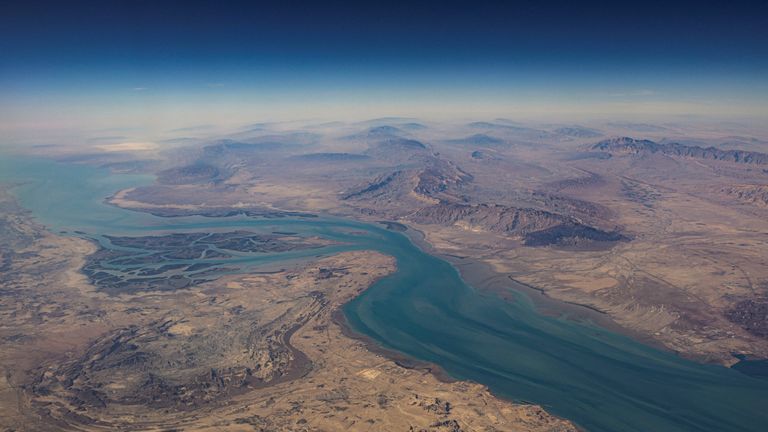
Strait of Hormuz Closure Sparks Global Economic Nightmare
The closure of the Strait of Hormuz has halted shipping, threatening global inflation, disrupting helium for MRI scanners, and risking oil field shutdowns in the Gulf region.

The closure of the Strait of Hormuz has halted shipping, threatening global inflation, disrupting helium for MRI scanners, and risking oil field shutdowns in the Gulf region.

Bank of England survey shows UK firms' inflation expectations dropped to 3.3% in February before Middle East conflict sent oil prices soaring, creating new economic uncertainty.

Former Bank of England governor Mark Carney cautions that escalating tensions between Iran and Israel could trigger global economic instability, with potential impacts on oil prices and financial markets.

China announces its lowest GDP growth target since 1991 at 4.5-5% for 2026, signaling a strategic pivot toward high-quality growth and domestic resilience.

Global oil and gas prices spike as Middle East conflict halts energy exports, with the Strait of Hormuz effectively closed, raising fears of a worldwide economic downturn.
Global oil and gas prices have surged dramatically as the Middle East conflict halts energy exports, closing the vital Strait of Hormuz and raising alarms about a worldwide economic downturn.

Recent analysis reveals Australia's GDP growth is significantly supported by government spending, raising questions about long-term economic sustainability and policy effectiveness.

President Trump's new 15% across-the-board tariffs are generating widespread economic anxiety, threatening consumer prices, corporate investment, and international relations, with experts warning of significant negative impacts on growth and inflation.

A leading City analyst argues that administrative rationing of energy, land, and capital is crippling UK economic growth, with high costs and restrictive policies creating significant competitive disadvantages.

The Resolution Foundation warns rising oil and gas prices could wipe out £300 living standards growth for UK households, adding £500 to energy bills and increasing inflation by a percentage point.

The Resolution Foundation warns that potential energy price shocks from the Middle East crisis could wipe out projected living standards gains for UK households in 2026, despite initial positive forecasts.

An in-depth look at Rachel Reeves' spring economic forecast, examining Labour's plans for the UK economy amid ongoing challenges and public scrutiny.
Sky News podcast explores how escalating Iran conflict may spike oil prices, fueling inflation and interest rates, potentially undermining Chancellor Rachel Reeves' spring forecast.

Grocery price inflation in the UK unexpectedly increased to 4.3% in February, reversing a four-month decline. Experts warn that prolonged conflict in the Middle East could exacerbate inflation and reduce economic output.
Reserve Bank of Australia Governor Michele Bullock warns a March interest rate hike is a 'live' possibility, citing oil price spikes from Iran attacks and a tight labour market as key inflation risks.
Sky's economics editor explains how conflict in the Arabian Gulf threatens global growth through disruption to oil, gas, and critical materials, with the Strait of Hormuz as a key vulnerability.

Official ONS data reveals a persistent gap between economic indicators and personal wellbeing, with life dissatisfaction stuck above pre-Covid levels despite GDP per head increases.

Former President Donald Trump's State of the Union address focuses on inflation and affordability, proposing economic policies to address rising prices and financial strain on households.
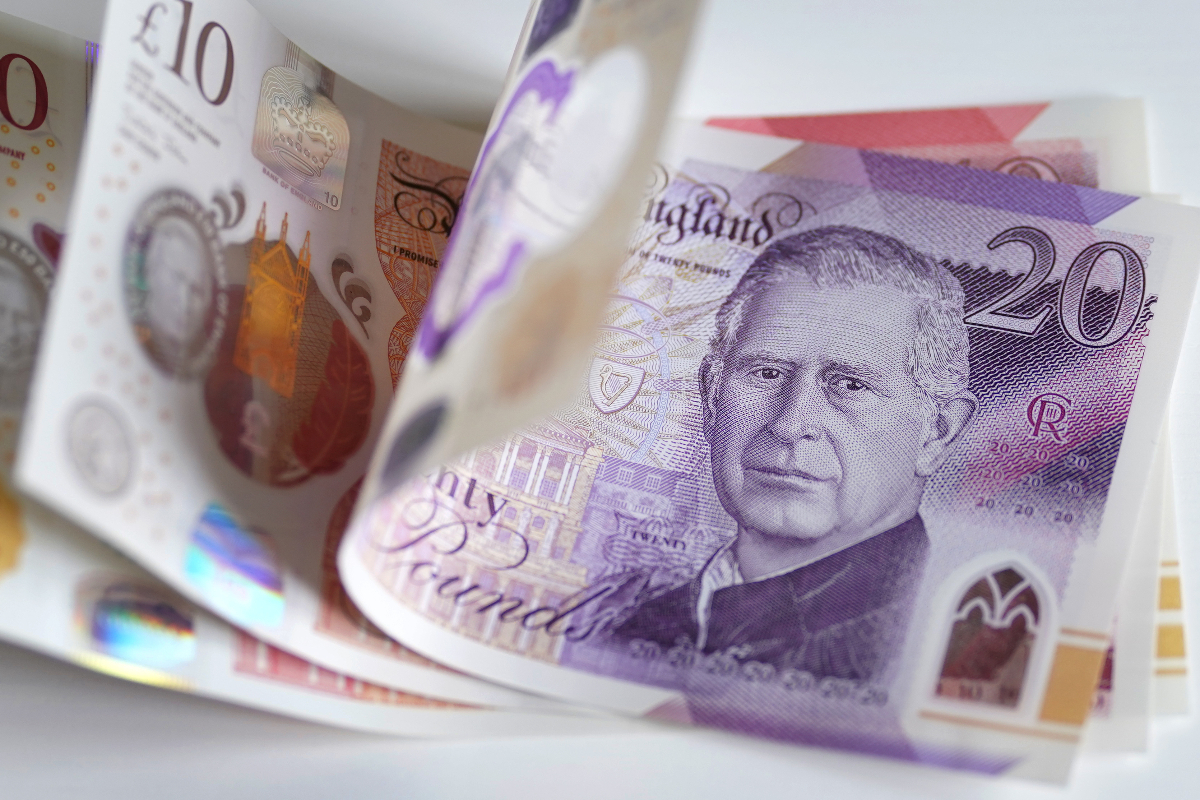
New GfK research shows consumer confidence dropped three points to -19 in February, with Brits expressing increased negativity about personal finances amid rising household costs.

The US Supreme Court struck down Trump's tariffs, which raised household costs by $1,000 in 2025. Experts warn new tariffs risk economic instability.

New research reveals Birmingham's service sector has grown at 4.2% annually since 2020, adding 19,000 jobs, while manufacturing faces vulnerabilities. HS2 and foreign investment could boost the economy further.

Australia's Reserve Bank is considering two cash rate hikes in 2026 due to stubbornly high inflation, with economists warning of ongoing economic pressures.
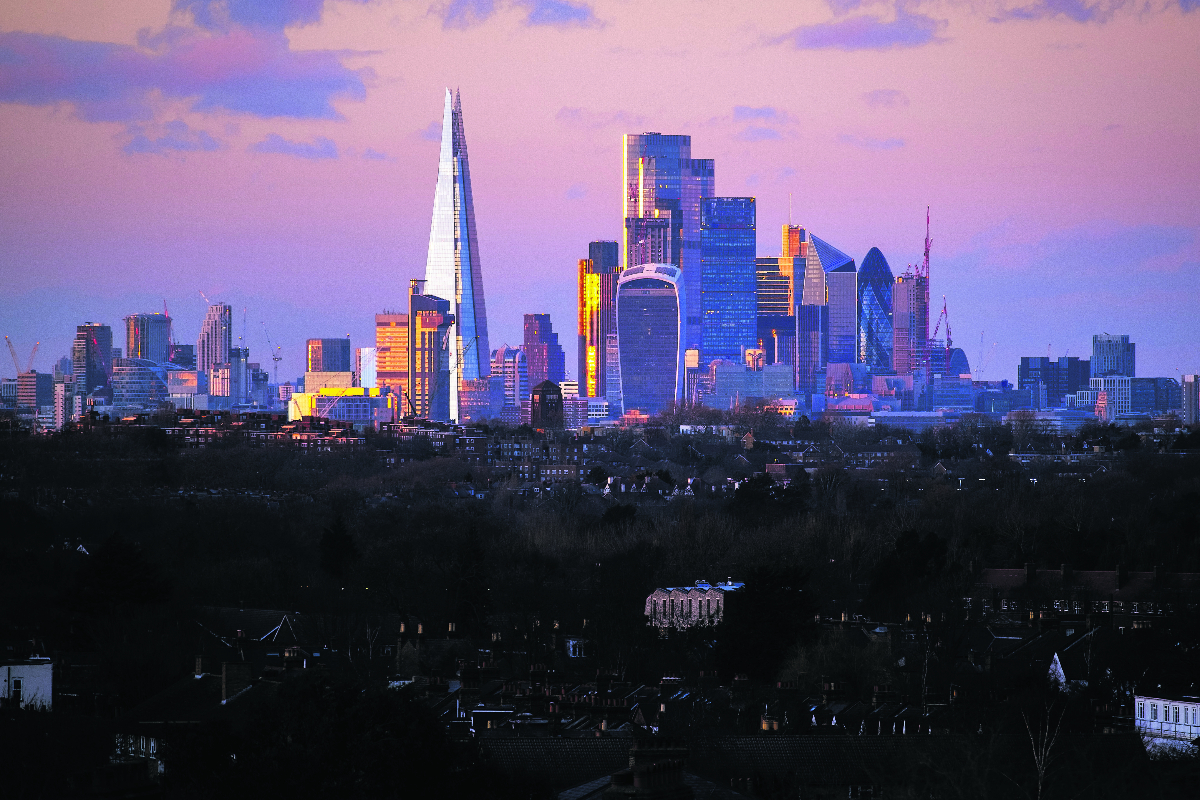
The UK economy has seen virtually no growth since 2019, with GDP per person stagnant. Small businesses could inject £60bn, but political and public awareness is lacking.
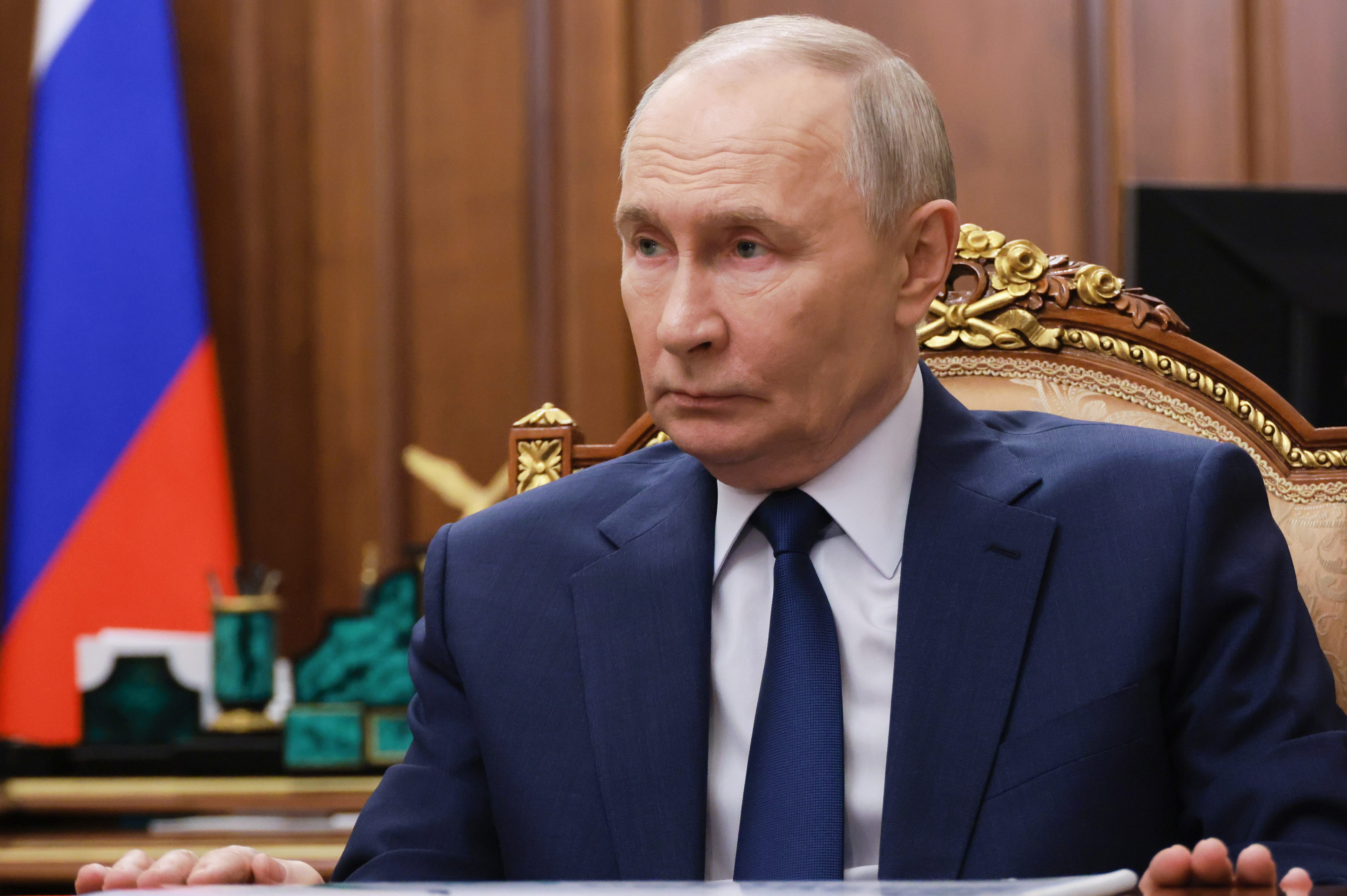
Russia's economy has moved into a period of stagnation after initial war-driven growth, with economists warning of low GDP growth and widening budget deficits amid Western sanctions.
The Reserve Bank of Australia's reliance on interest rates as its primary economic tool is under scrutiny, with critics calling for more diverse policy instruments.

A new BCG report shows the number of low-productivity UK firms has nearly doubled since 1997, creating a growing drag on economic growth and wage potential.

US economic growth slowed more than expected in the fourth quarter of 2025, with GDP expanding at a 1.4% annualized rate, below the 3% forecast, due to government shutdown disruptions and moderating consumer spending.

Former UK Chancellor George Osborne cautions at AI Impact Summit that countries failing to embrace AI will become weaker and poorer, as global debate intensifies over US-China dominance versus local sovereignty.

In 2025, Australian wages grew by 3.4%, below the inflation rate of 3.8%, eroding purchasing power. Analysis reveals profit-driven inflation is resurgent, challenging RBA's focus on wage growth.

UK inflation eased to 3% in January, its lowest level in nearly a year, driven by falling petrol and food prices. The decline strengthens expectations for a Bank of England interest rate cut in March.