Global Economy Faces Severe Threat from Middle East Energy Disruption
Sky's economics and data editor, Ed Conway, has provided a detailed analysis of how the ongoing conflict in the Middle East is already impacting the world economy and what prolonged disruption to energy flows could signify. The Arabian Gulf, with its unparalleled concentration of energy resources, represents a critical paradox that has both sustained and troubled the region for decades. This immense energy wealth explains why global nations remain deeply invested in the area's stability and why warfare there poses such a grave risk to international growth.
The Persistent Relevance of Oil and Gas in Modern Economics
It might be tempting to assume that oil prices have diminished in importance by 2026 compared to 1976, especially given the reduced direct contribution of oil to global gross domestic product. However, this perspective overlooks the broader implications of hydrocarbon supply disruptions from the Gulf. The issue extends far beyond crude oil alone. We are discussing fertilizers derived from natural gas, plastics manufactured from various petrochemicals sourced from gas and oil, and composite materials essential for producing modern passenger jet fuselages and Formula One cars. All these products originate from the oil and gas extracted from beneath the earth's surface, and no other region on the planet holds a larger reserve of these hydrocarbons than the Arabian Gulf.
Critical Chokepoint: The Strait of Hormuz
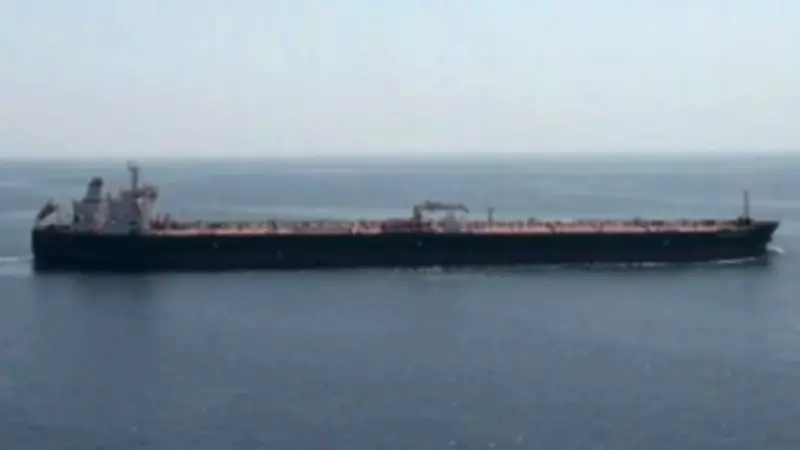
The second crucial point involves the logistical challenge of transporting these resources. The majority of hydrocarbons must exit the Gulf through a single, narrow maritime passage known as the Strait of Hormuz. This strait is bordered to the north by Iran, raising significant concerns about the future accessibility of these vital components of human civilization. In 2024, approximately twenty percent of global oil and gas exports traversed this strategic waterway, highlighting its indispensable role in the world's energy supply chain.
Production Halts and Market Volatility
A third major concern revolves around the ability to extract these resources in the first place. The most market-moving development recently was Qatar's decision to shut down the Ras Laffan facility. While Ras Laffan and its connected North Field gas reservoir may be unfamiliar to many, this terminal is the largest gas processing plant on Earth, and the North Field is the planet's biggest gas field. In fact, it represents the single largest source of energy globally, surpassing any individual oil field or uranium mine in scale. The closure triggered an immediate fifty percent surge in gas prices, underscoring the facility's critical importance.
Currently, most of Qatar's gas exports are directed toward Asia, but many countries, including the United Kingdom, had anticipated increasing their reliance on Qatari liquefied natural gas in the coming years. Now, significant uncertainty looms over this supply, with questions about when Ras Laffan will resume operations and when LNG tankers can safely navigate the Hormuz straits again.
Implications for the UK and European Economies
The precise impact on the UK economy remains uncertain at this stage. If gas prices decline rapidly, the effect on consumer bills could be minimal. Wholesale prices, despite the recent spike, are still considerably lower than their 2022 peaks. However, a prolonged disruption would have increasingly severe consequences for Europe and the UK. Having only just begun to recover from the energy price shocks of recent years, there is a substantial risk of descending into another similar crisis. In summary, the events unfolding in the Gulf warrant close attention and genuine concern from all observers, as they hold the potential to destabilize global economic stability through energy market turmoil.