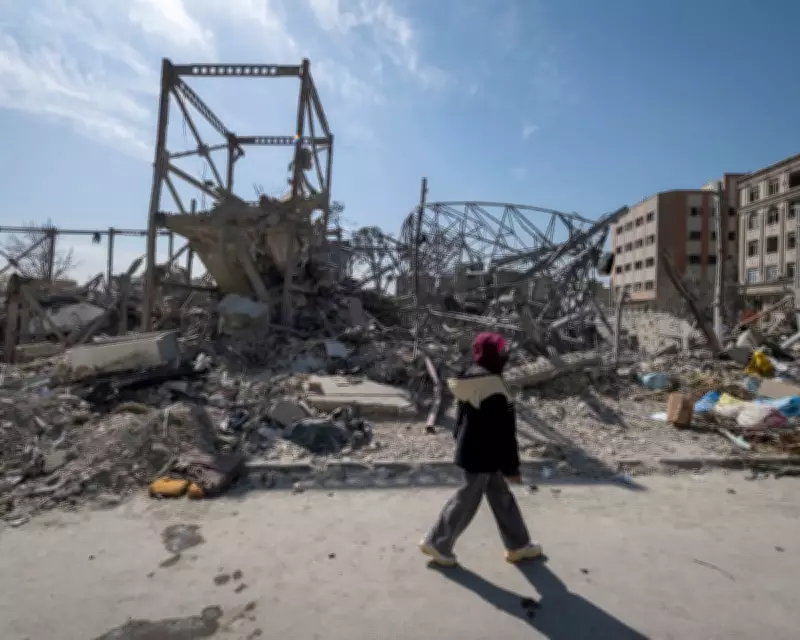
Former Bank of England governor Mark Carney has issued a stark warning about the potential global economic consequences of the escalating conflict between Iran and Israel. In a recent statement, Carney emphasized that the ongoing tensions could severely disrupt international financial stability, with particular risks to oil markets and broader economic growth.
Economic Risks and Market Volatility
Carney highlighted that any significant escalation in the Iran-Israel conflict could lead to a sharp increase in oil prices, which would have ripple effects across global economies. He pointed out that such volatility could undermine investor confidence and complicate monetary policy decisions by central banks worldwide.
Historical Context and Current Threats
The former governor drew parallels to past geopolitical crises that triggered economic downturns, stressing the need for proactive measures to mitigate risks. He noted that the current situation is particularly precarious due to the involvement of multiple international actors, including recent statements from figures like former US President Donald Trump, which add to the uncertainty.
Carney also addressed the broader implications for global trade and security, warning that prolonged conflict could strain diplomatic relations and hinder cooperative efforts on issues like climate change and economic recovery post-pandemic.
Recommendations for Stability
To prevent economic fallout, Carney urged world leaders to prioritize de-escalation and diplomatic solutions. He advocated for enhanced international coordination to monitor and respond to financial market disruptions, suggesting that central banks should be prepared to implement contingency plans.
In conclusion, Carney's warning serves as a critical reminder of the interconnectedness of geopolitics and economics, calling for vigilance and cooperation to safeguard global stability in the face of rising tensions in the Middle East.