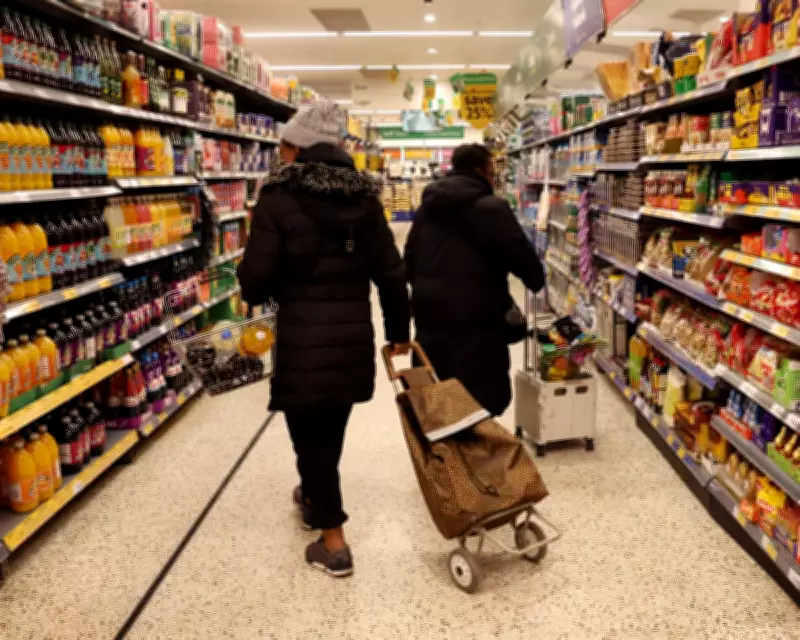
In a surprising turn of events, grocery price inflation in the United Kingdom has risen to 4.3% for the four weeks ending on 22 February, according to data from the market research firm Worldpanel by Numerator. This increase marks a reversal after four consecutive months of declining rates, posing a significant challenge for households already grappling with the ongoing cost of living crisis.
Economic Warnings and Global Impacts
The European Central Bank's chief economist, Philip Lane, has issued a stark warning regarding the potential consequences of extended conflict in the Middle East. In an interview with the Financial Times, Lane emphasized that such a scenario could disrupt oil and gas supplies from the region, leading to a substantial spike in inflation and a sharp drop in output across both the eurozone and the UK. This development threatens to drive up prices at fuel pumps and increase household energy bills, further straining consumer finances.
Retail Insights and Consumer Behavior
Fraser McKevitt, head of retail and consumer insight at Worldpanel, highlighted specific trends affecting shoppers. For instance, chocolate prices remain elevated, with a 9.3% year-on-year increase ahead of Easter, although this represents the lowest inflation rate in the category since September 2025. Meanwhile, recent celebrations have influenced spending patterns. In the week leading up to Shrove Tuesday, pre-made pancake mix sales surged by 114%, while homemade batter ingredients saw a 6% price hike, reaching £7.77 for key components.
Valentine's Day also spurred last-minute purchases, with nearly 12% of households opting for premium meal deals on Friday alone. Shoppers spent £39 million on high-end dine-in experiences priced at £10 or more during that week, a sevenfold increase from the previous period. Additionally, online grocery shopping has gained traction, with sales up 9.7% year-on-year and accounting for 13% of total grocery sales, the highest level since July 2021.
Supermarket Performance and Market Dynamics
The retail landscape shows varied performance among major grocers. Ocado maintained its position as the fastest-growing retailer, with a 15.1% sales increase and a 2.1% market share over the 12 weeks to 22 February. Lidl continued its streak of double-digit growth, recording a 10% rise in sales and holding a 7.8% market share. Tesco, the market leader, saw sales grow by 4.5%, boosting its share to 28.5%, while Sainsbury's increased its share to 16.1% with a 5.2% sales uplift.
Waitrose achieved its highest growth rate since March 2021 at 5.6%, reaching a market share of 4.8%. In contrast, Asda experienced a 2.6% decline in sales, and Co-op's sales fell by 1.6%. Despite these challenges, Greggs reported that easing inflationary pressures could bolster consumer spending, even as it faced an 18% drop in pre-tax profits to £167.4 million for the year ending 27 December.
Overall, the unexpected rise in grocery inflation underscores the fragile state of the UK economy, with experts cautioning that geopolitical tensions could lead to further financial hardships for consumers in the coming months.