Middle East Conflict Could Erase UK Living Standards Gains, Warns Thinktank
The Resolution Foundation has issued a stark warning that escalating conflict in the Middle East could trigger an energy price shock capable of wiping out anticipated growth in UK living standards. According to the leading thinktank, a typical working-age household faces the potential loss of a projected £300 increase in living standards over the coming year if rising oil and gas prices persist.
Vulnerability to Energy Market Disruptions
The UK's reliance on gas from the Middle East makes the nation particularly vulnerable to supply disruptions. Approximately 20% of the world's liquid natural gas travels through the Strait of Hormuz, which could face effective blockade due to the Iran conflict. This geopolitical tension has already caused Iran to largely halt oil and gas exports through this critical waterway.
The Resolution Foundation's analysis of the spring forecast reveals that living standards for typical working-age households were on track to grow by £300 in the next year. Lower-income households were set for an even more substantial rise of £800, representing a 3.9% increase, primarily driven by the lifting of the two-child benefit cap and an above-inflation boost to universal credit.
Potential Economic Impact
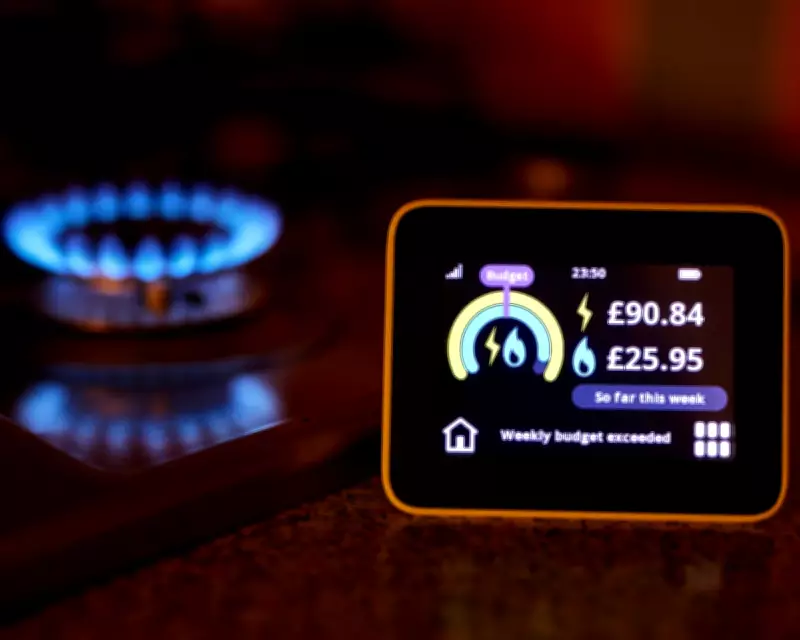
While the effect might not reach the magnitude of the price surge following Russia's invasion of Ukraine, a sustained increase in oil and gas prices could add a full percentage point to UK inflation and tack £500 onto typical annual energy bills. Ruth Curtice, chief executive of the Resolution Foundation, emphasized the precarious economic outlook, stating that recent forecasts already appear outdated.
"This coming year is set to be a decent one for living standards, and a bumper one for poorer families, as wages and benefit support rise above the level of inflation," Curtice explained. "But a fresh energy price shock risks puncturing this good news."
Contrasting Perspectives on Economic Projections
The Joseph Rowntree Foundation presents an even grimmer assessment, arguing that government predictions of rising average living standards fail to account for housing cost pressures. Their modeling suggests average annual household disposable incomes will grow by only £40 over the current parliament after adjusting for inflation.
These projections incorporate forecasts from the Office for Budget Responsibility on key economic indicators, which are fed into the Institute for Public Policy Research's tax benefit model. The IPPR utilizes the Office for National Statistics' family resources survey to create a more accurate picture of living standards, particularly for those in the bottom half of the income distribution.
The Resolution Foundation's warning highlights how geopolitical instability in the Middle East could reverse what would otherwise be the second strongest year for living standards among poorer households in the past two decades. The thinktank describes the living standards picture for the remainder of the parliament as "very lopsided," with immediate economic prospects remaining highly uncertain amid fluctuating energy markets.