
Middle East Conflict Fuels Global Food Price Surge
UN reports sharp March food price increases as Middle East conflict escalates energy and freight costs, with vegetable oil and sugar prices rising 5% and 7% respectively.

UN reports sharp March food price increases as Middle East conflict escalates energy and freight costs, with vegetable oil and sugar prices rising 5% and 7% respectively.

One year after Donald Trump's 'liberation day' tariffs, experts argue the policy has backfired, failing to reduce the trade deficit or revive manufacturing, while investor confidence wanes.
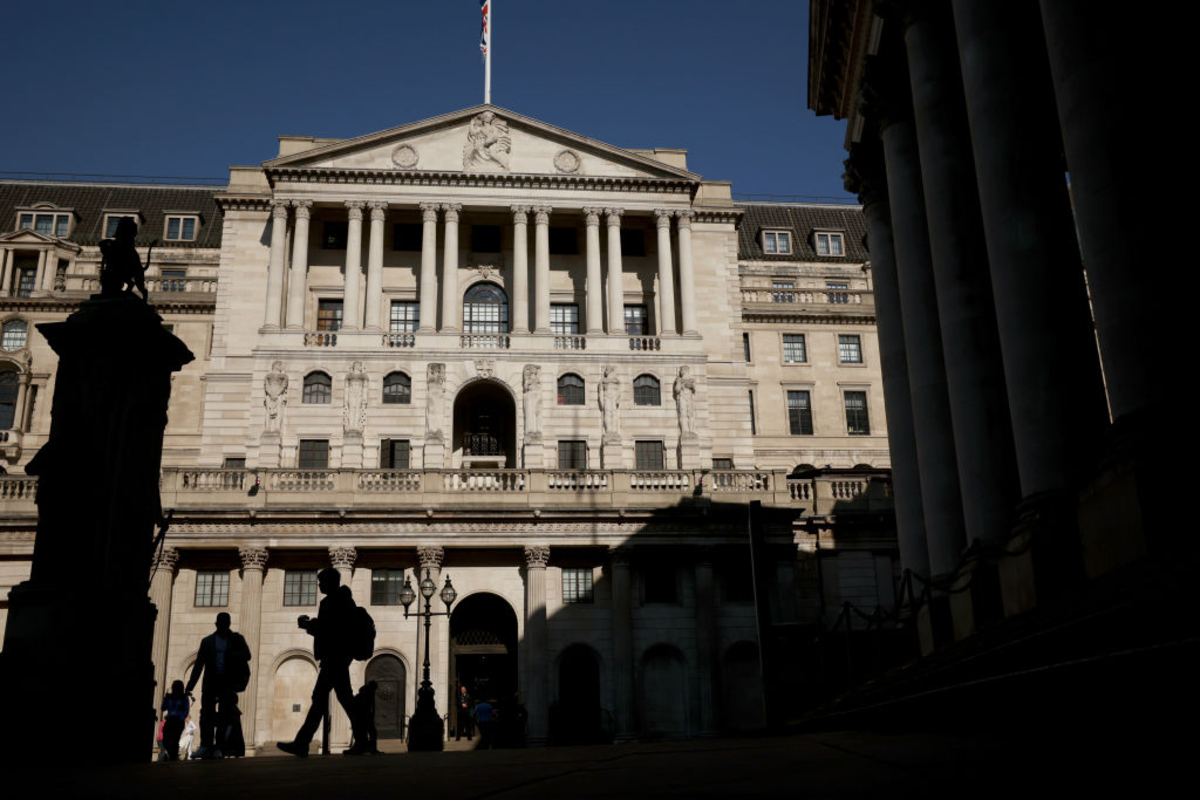
The Bank of England's latest survey reveals businesses sharply raised inflation expectations in March, driven by soaring energy costs from the Iran war, with manufacturers hit hardest since 1992.

Britain faces a severe energy shock from Trump's Iran war, risking stagflation as ministers' 'keep calm' approach falters amid rising unemployment and supply chain disruptions.

A year after Donald Trump's 'Liberation Day' tariff launch, the global economy faces complexity and uncertainty. Tim Hames analyzes the impacts and opportunities for private markets.

Global markets surged and oil prices plummeted after Donald Trump claimed the Iran conflict would end within weeks, triggering a relief rally across Asia and Europe.

The Food and Drink Federation warns UK food inflation could reach 9% by 2026 due to the Iran war, as Chancellor Rachel Reeves meets supermarket bosses to discuss cost pressures.
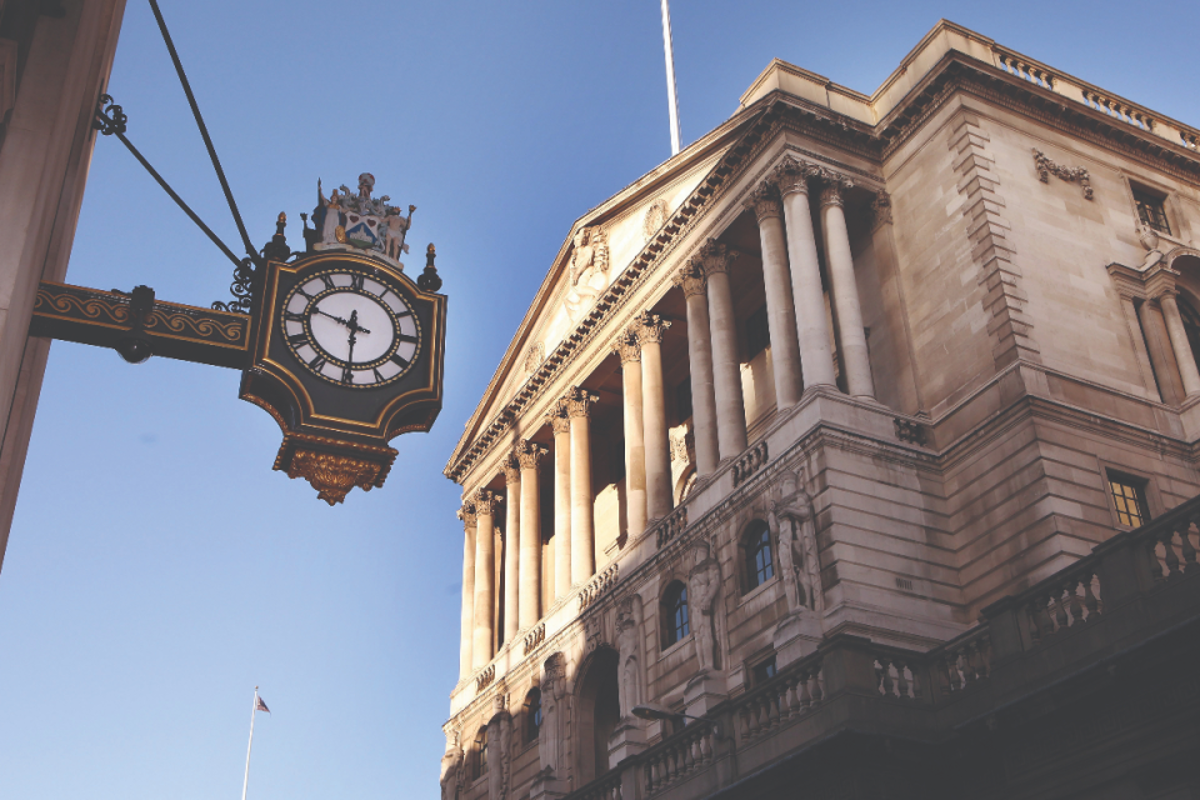
The Bank of England warns the UK faces 'large, frequent and overlapping' economic shocks from Middle East conflict, AI stock valuations, and risky credit markets, with inflation and growth pressures mounting.

New research shows Ukraine embracing market economy values while Russia favors state control, revealing a profound economic divergence in post-Soviet Eastern Europe.

The IMF warns that the Middle East conflict could lead to higher energy and food prices, slower global economic growth, and lasting economic scars worldwide.
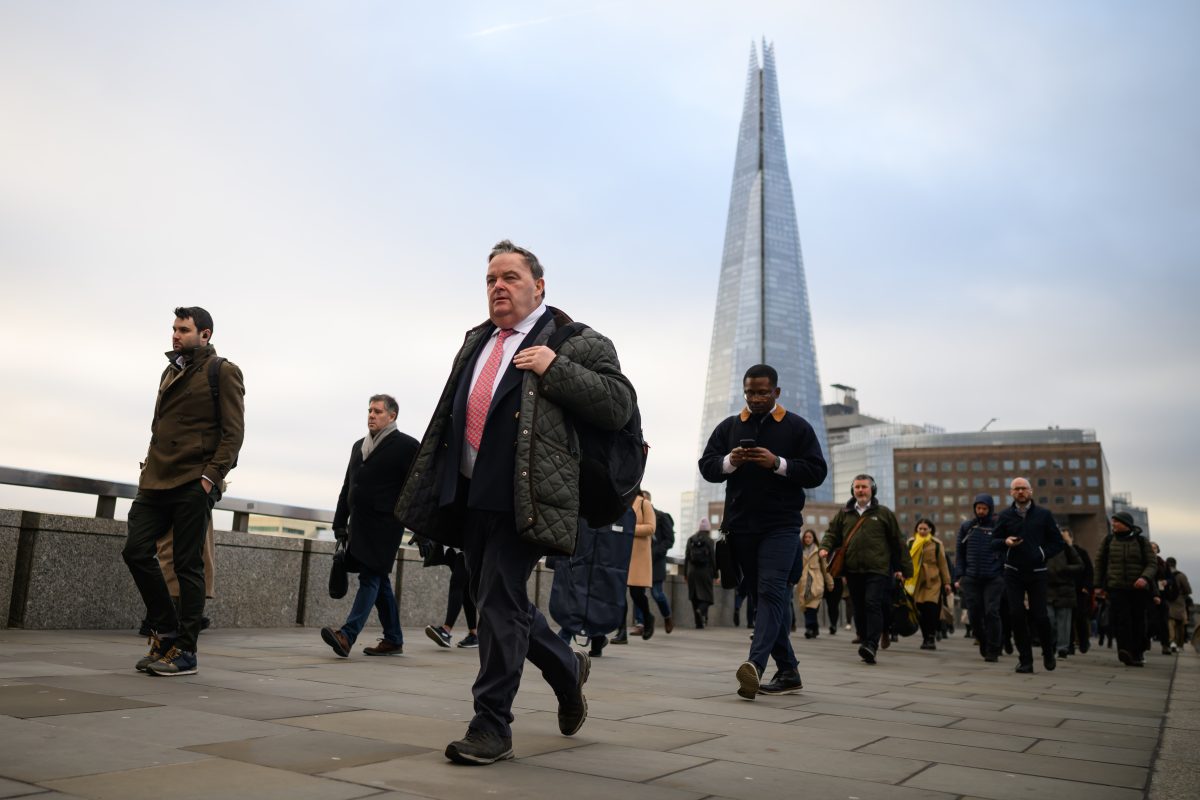
Official data shows UK GDP expanded 1.4% in 2025, revised up from 1.3%, but quarterly growth slowed to 0.1% by year-end. Global conflicts threaten 2026 outlook with potential fuel shortages and inflation.
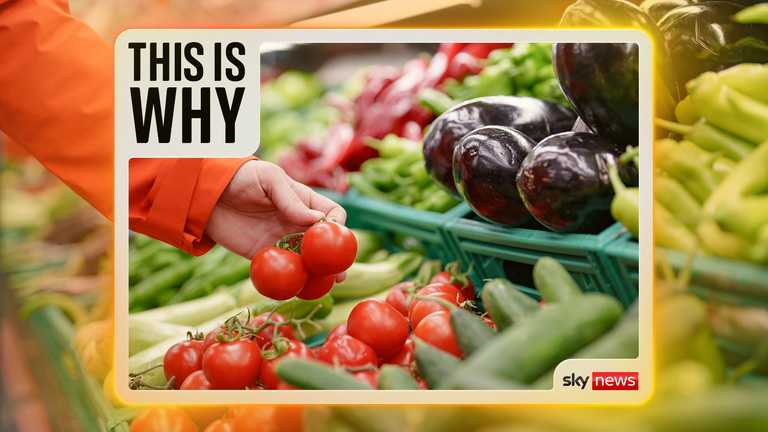
The Iran conflict is set to increase food costs as it disrupts synthetic fertilizer supplies, impacting kitchen cupboards and challenging farmers already struggling with profits.

Following US-Israeli strikes on Iran, Americans report surging gas prices, grocery bills, and mortgage rates, forcing many to cut back on essentials and work longer hours.

Consumer confidence in the UK economy has plunged to its lowest level since late 2022 as the Iran war drives up prices, forcing millions to dip into savings or borrow for essentials.

A respected consumer confidence measure reveals UK households are hoarding cash and avoiding major purchases amid Middle East conflict-driven energy price surges.

A new report reveals the Iran War could increase UK household grocery bills by up to £340 annually due to energy price shocks, impacting food inflation and consumer spending.

The OECD reports the UK's economy will grow only 0.7% in 2026, downgraded due to Middle East conflict impacts on jobs, investment, and energy prices, with higher inflation expected.

The OECD predicts the US-Israel war on Iran will test global economic resilience, slashing growth forecasts and warning of inflation spikes up to 4% in G20 nations by 2026.

The US-Israel war on Iran disrupts global oil supplies, driving up US gas prices, diesel costs, and affecting everything from fertilizer to flights and mortgage rates.

The OECD forecasts the UK will suffer the biggest economic downgrade among major countries due to the Iran war, with growth cut by 0.5 percentage points for 2026. Higher energy prices disproportionately impact Britain as an energy importer, while the US b

The OECD has drastically downgraded UK growth forecasts to just 0.7% for 2026, making Britain the second worst performer in the G7 while inflation remains stubbornly high at 4%.

The Reserve Bank of Australia maintains interest rates as global tensions with Iran and domestic inflation pressures shape economic policy decisions.

Treasurer Jim Chalmers warns of economic shocks from the Middle East conflict, with fuel and food price pressures mounting. Poll shows Australians want distance from US ties.

Economists caution that reducing Australia's fuel excise may exacerbate petrol shortages and fuel inflation, as calls for tax relief grow amid soaring diesel and petrol prices.

UK inflation remained at 3% in February, but experts warn the Iran conflict could drive up energy and food costs, threatening a renewed price jump.

As petrol prices soar due to global oil market disruptions, Australians share how the fuel crisis is impacting their lives, from business struggles to healthcare access and event postponements.

UK inflation remained unchanged at 3% in February, but the Middle East conflict threatens to drive prices higher. Oil prices dipped after Trump's peace plan but rebounded on new attacks.

Financial markets tumble as Brent crude nears $114 amid Iran conflict, with BlackRock warning $150 oil could spark a severe global economic downturn.

Economists warn inflation may surge to 5% by autumn due to Middle East conflict, creating uncertainty over Bank of England interest rate decisions amid conflicting forecasts.
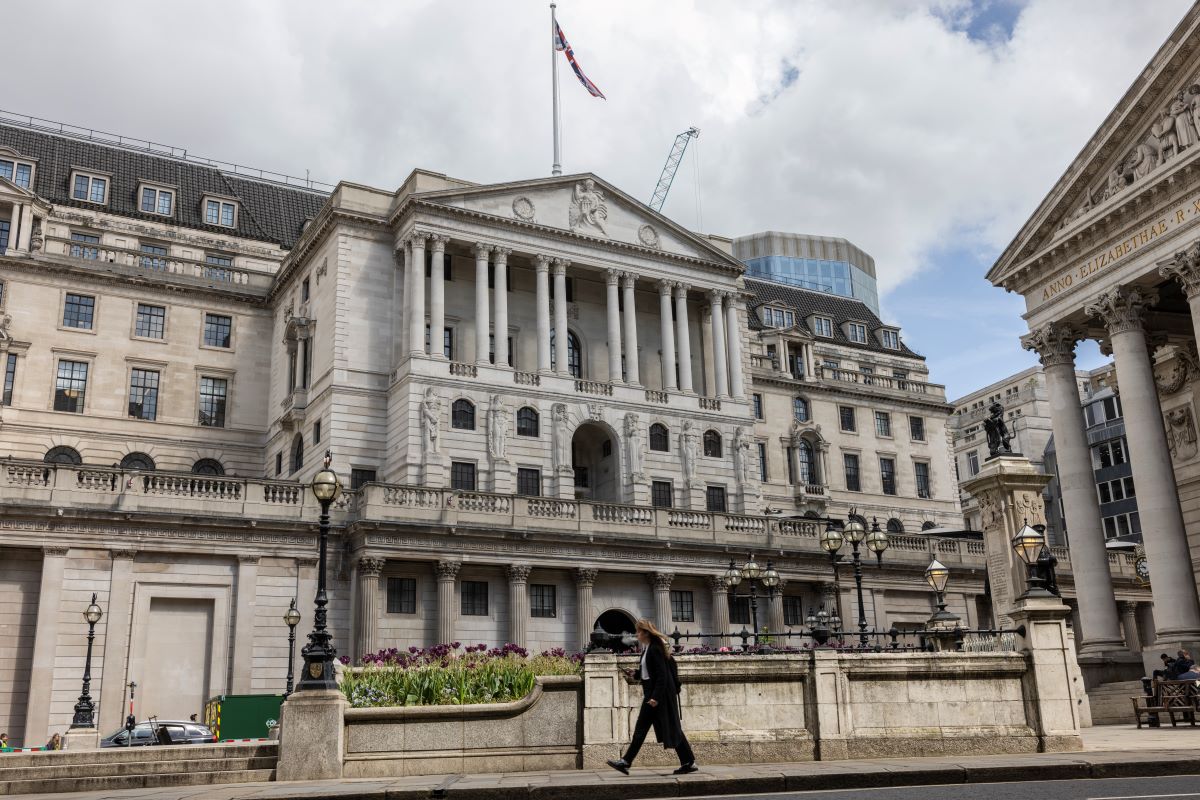
Inflation remained at 3% in February, well above the Bank of England's 2% target, with services inflation easing slightly. The Middle East conflict has since driven energy prices higher, forcing revised forecasts.