Inflation Set to Exceed 4.5% as Middle East War Intensifies
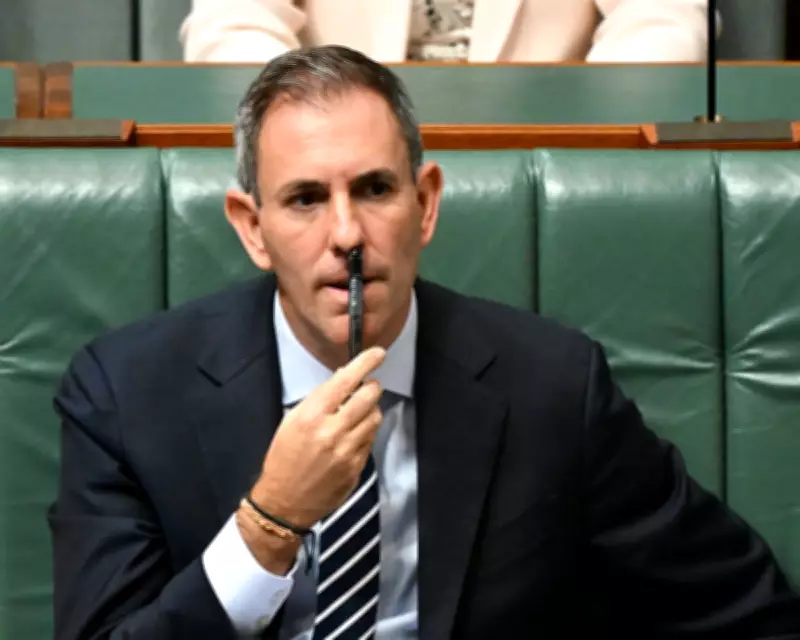
Treasurer Jim Chalmers has issued a stark warning that inflation in Australia is projected to rise beyond 4.5%, driven by escalating conflicts in the Middle East. This surge is expected to impose significant additional cost-of-living pressures on households across the nation.
Economic Impact and Treasury Projections
Currently standing at 3.8%, inflation is putting immense pressure on the Reserve Bank of Australia (RBA) to consider interest rate hikes as early as this week. According to Treasury modelling, inflation could peak in the "mid to high fours," a forecast that aligns closely with private sector predictions, including those from National Australia Bank, which anticipates a peak above 5% in the upcoming quarter.
Chalmers emphasized that while the economy faces a hit from global oil price fluctuations and prolonged conflict, a recession—defined as two consecutive quarters of negative growth—is not expected. "We’re not anticipating or expecting a shrinking economy in the quarters to come," he stated, highlighting the uncertainty and volatility exacerbated by recent hostilities.
Reserve Bank and Political Responses
The RBA board is set to meet this week to deliberate on the cash rate, with economists from major banks forecasting increases both now and in May, just days before the federal budget unveiling on 12 May. Greens leader Larissa Waters has urged the RBA to refrain from raising rates, arguing that such measures cannot curb inflation driven by supply-side disruptions from the war.
"People are already struggling with price gouging at the petrol pump and the supermarket," Waters said. "Rate rises won’t stop the chaos of this illegal war."
Fuel Supply and Regional Concerns
Amid growing interruptions due to Iran's actions in the Strait of Hormuz, Chalmers assured that Australia maintains sufficient fuel supplies. However, One Nation MP Barnaby Joyce has called for Australia to join international efforts by deploying a navy ship to the region, echoing US President Donald Trump's appeals for military support.
Joyce also proposed reserving fuel for farmers and regional areas to ensure supermarket shelves remain stocked and key industries continue operating. This idea has garnered support from some fuel transport companies, like Westlink Petroleum, but opposition from groups such as the NRMA, which warns against panic buying and stockpiling.
Government Reforms and Future Outlook
Despite the economic shock, Chalmers confirmed that reform priorities for the upcoming federal budget remain intact, including potential reductions to the capital gains tax discount. The Treasury is actively developing various tax reform options for cabinet consideration.
Energy Minister Chris Bowen recently adjusted fuel companies' minimum stock obligations to free up reserves for regional Australia, reflecting ongoing efforts to mitigate supply chain disruptions. As the situation evolves, Australians are urged to avoid stockpiling fuel to prevent shortages and stabilize the market.