Oil Price Surge and Economic Stagnation Spark UK Recession Fears
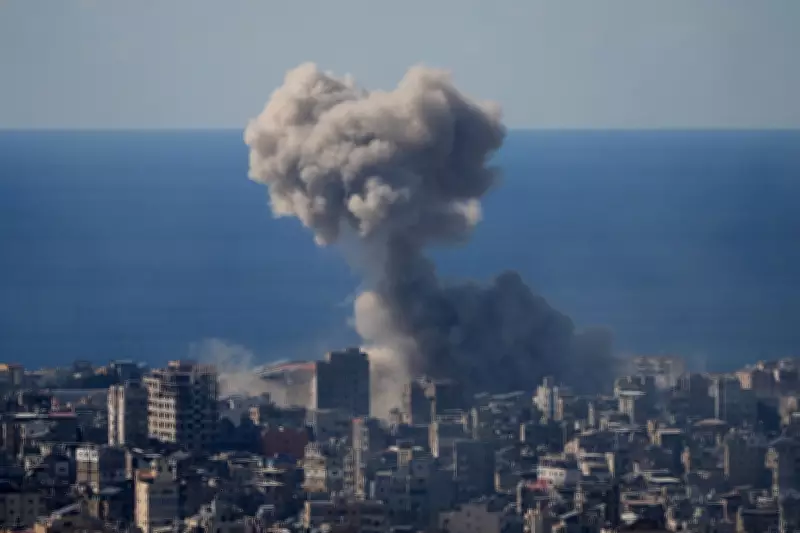
Fresh economic figures have amplified concerns that the ongoing crisis in the Middle East could plunge the United Kingdom into a recession, revealing the economy flatlined in January. The price of oil closed above $100 per barrel for the first time since 2022 as interventions from global energy bodies failed to calm markets amid the war in Iran.
Middle East Conflict Triggers Energy Market Turmoil
Iran's Islamic Revolutionary Guard Corps has issued stark warnings, threatening to set the region's oil and gas "on fire" if Iran's energy infrastructure and ports come under attack. The group continues to target ships in the Strait of Hormuz, a vital waterway through which approximately one-fifth of the world's oil supply flows. This escalation has created significant volatility in global energy markets.
City economists had initially projected the UK economy would grow by 0.2 percent in January, viewing this period as the calm before the storm following the Middle East conflict's outbreak in late February. However, Friday's data from the Office for National Statistics showed economic growth was completely flat during the first month of the year.
Economic Experts Sound Alarm on Recession Risks
Neil Wilson, investor strategist at Saxo Markets, stated: "UK economic figures for January were flat. Given the fragile state of the economy, the hike in oil prices will push Britain into recession if $100 oil is sustained."
The surging price of oil has led markets to brace for an inflation spike and price in an elevated interest rate path beyond previous expectations. Wilson questioned this approach, asking: "Are rate hikes the answer to a six sigma supply shock to oil? I doubt it."
Julian Jessop, economics fellow at the Institute of Economic Affairs, commented: "The latest GDP data show that the UK economy is being taxed and regulated to a standstill. The 'steady as she goes' Spring Statement now looks even more like a missed opportunity to change course."
Political Responses and Policy Debates Intensify
Chancellor Rachel Reeves defended the government's economic strategy on Friday, stating: "In an uncertain world, we are building a stronger and more secure economy by cutting the cost of living, cutting national debt and creating the conditions for growth to make all parts of the country better off."
Shadow Chancellor Sir Mel Stride accused the government of "doubling down on their failed policies," arguing: "Labour's economic mismanagement has left us vulnerable to the potential impacts of events in the Middle East. They must now axe the fuel tax, back North Sea oil and gas and come forward with a proper plan to cut the deficit and get the benefits bill down."
Broader Economic Implications and Forecasts
Economists have warned that major economies could be left reeling from the consequences of a potential oil supply crisis. Ahead of the latest GDP data, analysts at RBC Capital Markets cautioned that a prolonged war could "tilt" the UK economy into an "outright recession" given the country's vulnerable jobs market.
The analysts noted: "Labour markets are in a substantially weaker position now than was the case in 2022 and there must also be a non-trivial possibility that firms will not be able to pass on prices fully and have to take margin cuts instead."
Thomas Pugh, chief economist at GDP, suggested that even a "swift" end to the conflict would still reduce annual growth below one percent. He explained: "If energy prices stay around current levels, another bout of stagflation looks likely, with growth slipping to around 0.5 percent this year."
Pugh issued a further warning: "In the event they shoot even higher, recession looks more likely, given the weaker labour market and tighter starting point for monetary and fiscal policy."