Fertilizer Crisis Threatens Global Food Security as Iran Conflict Escalates
The chief executive of one of the world's largest fertilizer companies has issued a stark warning that global food supplies could face severe damage this year if the Iran war becomes a prolonged conflict. Svein Tore Holsether, CEO of Norway's Yara International, emphasized that the ongoing regional conflict carries devastating global implications that directly threaten the world's food system.
Critical Supply Chain Disruptions
The fertilizer industry has been hit by what Holsether describes as a double impact of catastrophic proportions. First, supplies of essential raw materials from the Gulf region have been choked off. Second, the price of natural gas, which is crucial for capturing nitrogen from the air during fertilizer production, has skyrocketed to unprecedented levels.
Since the conflict began two weeks ago, fertilizer raw material costs have surged dramatically. Approximately one-third of the world's urea and about a quarter of globally traded ammonia originate from the Gulf region. Urea prices have increased by approximately $210 per tonne, jumping from $487 per tonne before the attack on Iran to $700 currently.
Potential Crop Yield Catastrophe
Holsether painted a dire picture of what could happen if the Strait of Hormuz were closed for an extended period. If the strait of Hormuz was closed for a year it would be catastrophic, he stated. We are talking nutrition for plants, and if they don't get the nutrition, then you will see significant reductions in the farm yield.
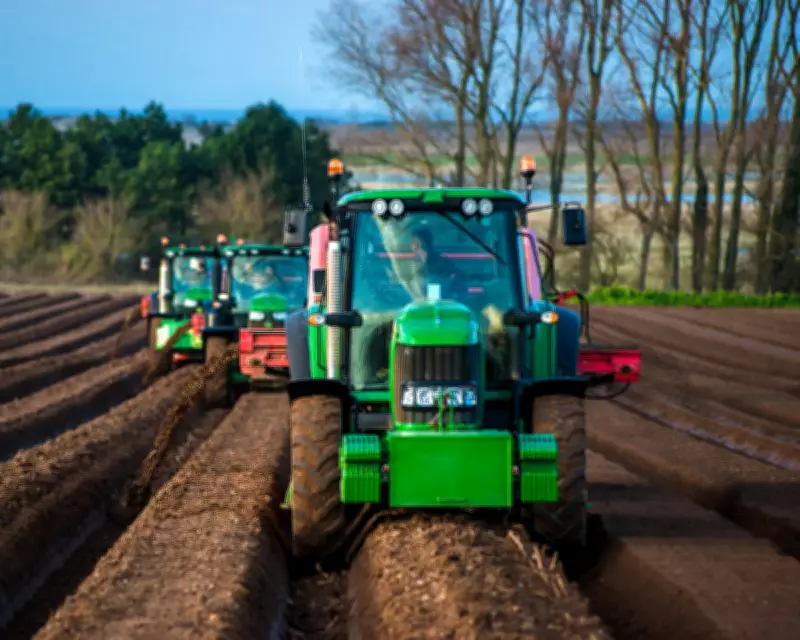
The CEO specifically highlighted that certain crops could experience yield reductions of up to 50% in the first harvest without adequate fertilizer. European summer crops, including early potatoes, would be particularly vulnerable to these shortages. Given the importance of fertilizer, this is something that can seriously impact crop yields if the war continues for an extended period, Holsether emphasized.
Global Implications and Economic Disparities
The crisis extends beyond agricultural production to create dangerous economic disparities. Holsether warned that Europe's stronger buying power would enable it to outbid poorer countries in the global fertilizer auction, leaving vulnerable nations paying the highest prices for essential agricultural inputs.
The countries that are most vulnerable still pay the highest price, he noted. In a global auction for fertilizer, Europe will have a stronger buying power than poorer parts of the world. We need to keep in mind the magnitude of this before it is too late.
Production in Qatar and Iran has already been reduced as a direct impact of the war, while some Asian governments have implemented gas rationing measures. When gas prices increase as much as they do now, it goes straight to the cost of producing fertilizer for all, Holsether explained.
Historical Context and Global Response
Yara International, established in Norway in 1905 specifically to combat European famine, has grown to become the world's largest producer of nitrogen-based mineral fertilizers. The company operates production facilities across multiple continents, including plants in the Netherlands, France, Germany, India, and South America.
The United Nations World Food Programme has echoed these concerns, noting that rising food and fuel prices driven by the escalating Middle East conflict could create ripple effects that worsen hunger for vulnerable populations throughout the region and beyond.
Holsether has called on global leaders to urgently consider the impact that soaring food prices will have on some of the world's poorest nations before the situation becomes irreversible. This is a regional conflict with global implications and it goes straight into the food system, he concluded, underscoring the interconnected nature of modern agricultural supply chains and international security.