Harrow & Wealdstone Underground station, located on the Bakerloo line in Zone 5, is approximately one mile (1.5 km) from the actual Weald Stone from which its name is derived. The station, one stop after Kenton, serves the Harrow area but is not as close to its namesake as many commuters might assume.
A Historic Station With a Tragic Past
Opened in 1837, Harrow & Wealdstone is one of the oldest railway stations in London still in operation. Its long history has been marked by several catastrophic events. In 1838, Thomas Port became the first recorded fatality when he fell from a train and was run over approximately 1.25 miles south of the station.
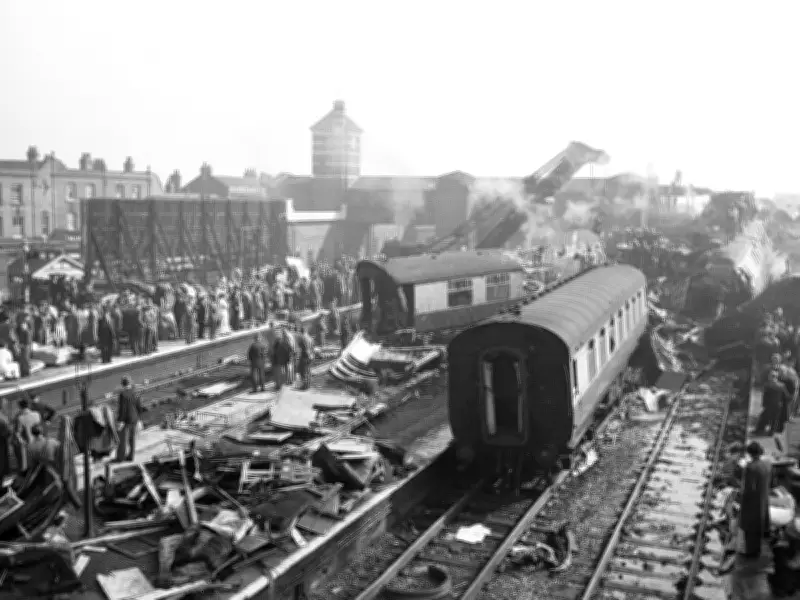
Later, in 1870, a rear-end collision between a mail train and a freight train claimed eight lives. The most devastating incident occurred in 1952, when the station was the site of the worst peacetime railway disaster in British history. A Scottish express train crashed into the rear of a local train standing at platform 4, resulting in 112 deaths and 340 injuries.
Other Misnamed Stations Across London
Harrow & Wealdstone is not alone in having a name that doesn't perfectly match its location. Totteridge and Whetstone station, for instance, is situated in Whetstone near an ancient rock, but is over half a mile (1 km) from the centre of Totteridge. This naming discrepancy is not uncommon in London, where a mile can seem like a considerable distance.
Clapham Junction, despite its name, is actually located in Battersea. Historians suggest the name was chosen to appeal to upper-class passengers, as it sounded more prestigious than Battersea Junction. Similarly, Farringdon station is arguably in Clerkenwell rather than Farringdon itself, despite being commonly associated with both areas.
Why Station Names Matter
These naming quirks can sometimes cause confusion for passengers, especially those unfamiliar with the city. However, for locals, they are part of the rich tapestry of London's transport history. The names often reflect historical boundaries, local landmarks, or even marketing decisions made centuries ago.
Understanding the origins of station names can provide insight into the development of London's suburbs and the evolution of its transport network. As the city continues to grow, these names serve as reminders of the past, even if they no longer perfectly align with current geography.