Transport for London (TfL) has announced new strategies to combat fare evasion, which costs the network approximately £150 million each year. The ongoing issue has prompted the introduction of enhanced measures to reduce revenue losses and improve compliance across the system.
New Enforcement Strategies
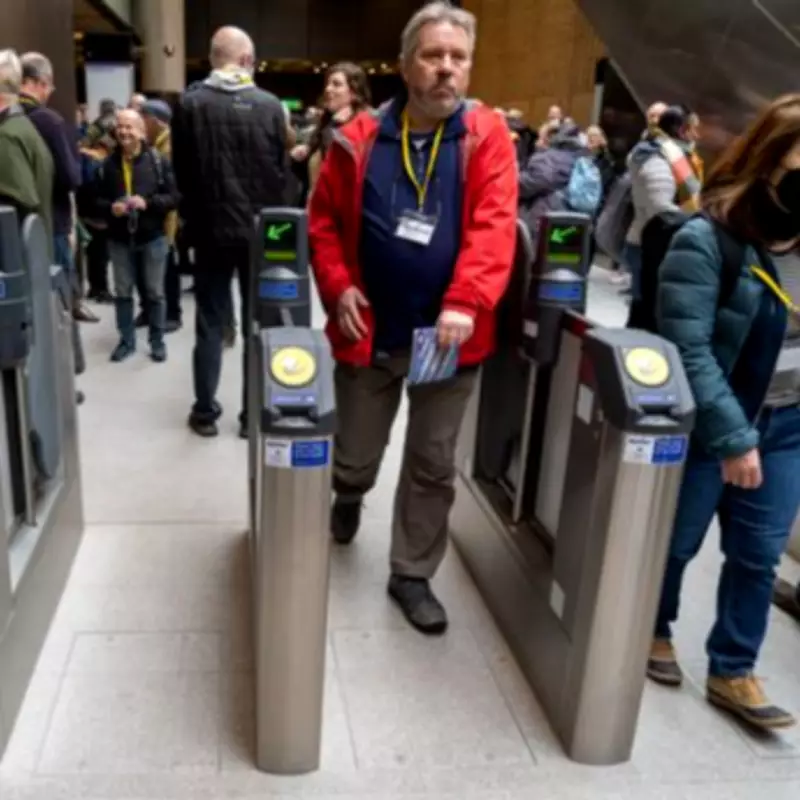
In response to growing concerns, TfL is deploying over 500 uniformed officers across its network. Additionally, the organization is trialling modifications to ticket gates at several stations to deter individuals from forcing their way through, without compromising safety.
The initiative follows public attention drawn by Reform MP Robert Jenrick and Conservative councillor David Taylor, who shared videos of fare evaders at London stations. After submitting evidence to TfL, Mr. Taylor received a detailed response outlining the agency's approach.
TfL stated in a communication: "I would like to reassure you that fare evasion is not ignored and there is a commitment and a strategy to challenging this issue. Our revenue officers use information from station colleagues to plan revenue exercises, yet I acknowledge that witnessing staff seemingly not taking action can cause concern."
Advanced Technology and Targeted Investigations
The new fare evasion strategy includes expanding the team of professional investigators to target the most prolific offenders across the network, including the Elizabeth line. These investigators will use expertise and advanced technology to reduce revenue loss.
A key tool is the Irregular Travel Analysis Platform (ITAP), which leverages ticketing and journey data, passenger information, and CCTV to identify repeat fare evaders. This system enables TfL to hold offenders accountable through fines and prosecutions.
Contactless Payment Evasion
A major focus is contactless payment card fare evasion. In one recent case, an individual used a contactless card to evade correct fares on 202 journeys, resulting in a court order to pay £1,472 in fines. Thousands of similar cases are prosecuted each year, leading to financial penalties and criminal convictions.
On the London Underground, courts awarded TfL more than £400,000 last year following the prosecution of 360 prolific fare evaders.
Reducing Abuse and Criminality
In a Freedom of Information request, TfL acknowledged that fare evaders are responsible for the majority of abuse and aggression experienced by customer-facing staff. There is also a clear overlap between fare evasion and wider criminality on the network.
By 2030, TfL aims to reduce fare evasion to below 1.5%. The agency plans to increase the number of enforcement officers who can refuse entry and remove individuals from stations with high volumes of gate pushing.
Public Concerns Addressed
For passengers concerned that station staff do not intervene when fare evaders push through gates, TfL explained that staff often use mobile devices or tablets to log details of the evasion and submit them via an internal app. However, they are not able to physically intervene when people force their way in or out.
Fare evasion is a criminal offence that can lead to fines of up to £1,000 and a criminal record. TfL encourages all passengers to pay the correct fare to avoid penalties and support a safe, efficient transport system.