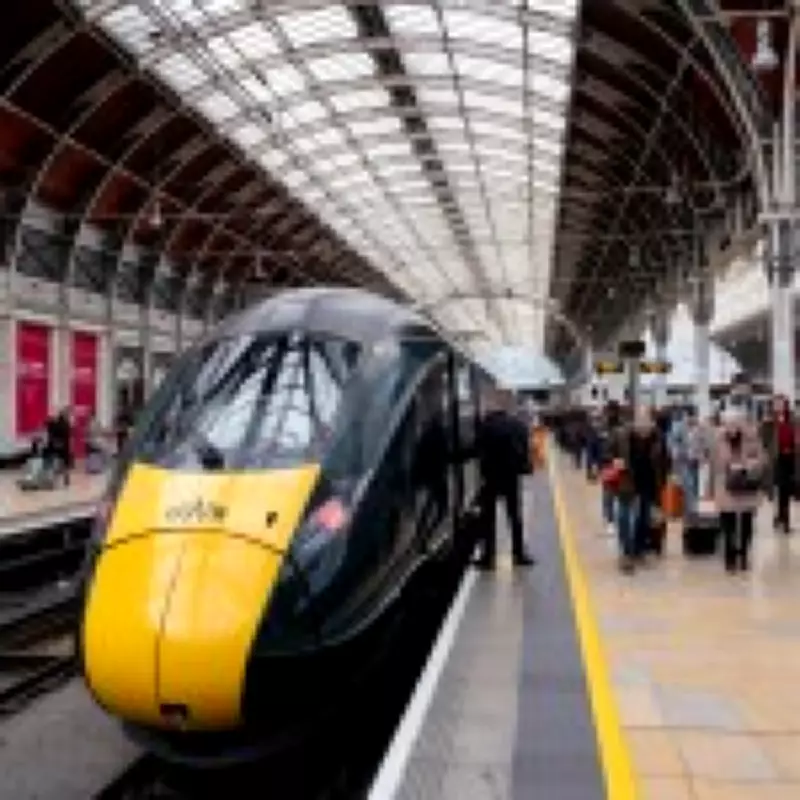
Major UK train operator Great Western Railways (GWR) faces a significant shake-up as it is set to be brought into public ownership later this year. The government confirmed that GWR will be renationalised on December 13, 2026, as part of a broader move to bring train services back under public control after decades of privatisation.
Government's public ownership programme
The Department for Transport announced that GWR will enter public ownership on December 13, 2026. A spokesperson said: 'This is another significant moment for the Government’s flagship public ownership programme and brings a simpler, more reliable network under Great British Railways a step closer. The Government is delivering on its commitment to bring services back into public ownership and put passengers, not shareholders, at the heart of our railways.'
Great British Railways (GBR) is a new publicly owned company set to launch fully next year. It aims to improve services currently plagued by delays and cancellations, offering more reliable and punctual services and a single app for ticket purchases.
Which operators have been renationalised?
London Northwestern Railway and West Midlands Railway were renationalised in February 2026, joining c2c, South Western Railways, and Greater Anglia, which were overhauled in 2025. Next in line is Govia Thameslink Railway, one of the country's largest operators, which will be brought back into public ownership on May 31, 2026.
Rail companies under GBR will have to meet 'rigorous, bespoke standards' to be part of the new service. All ticket sales will be consolidated under one app and website, and trains will display Great British Railways branding.
Where does Great Western Railways operate?
GWR runs services between London Paddington and Oxfordshire, Berkshire, Wiltshire, Somerset, Devon, Cornwall, and south Wales. Major stations include Oxford, Swindon, Bristol, Exeter, Plymouth, Portsmouth, Newport, Cardiff, and Swansea.
Focus on service improvement
Despite the nationalisation drive, the Transport Secretary has previously stated that train fares are not expected to decrease under public ownership. The focus will instead be on improving services and reducing delays. The latest data from the Office of Rail and Road shows that around 81% of trains arrived on time between October and December 2025.
Government's rail nationalisation plan
In its 2024 manifesto, Labour promised to bring railways back into the public sector following years of passenger complaints about delays and cancellations. The plan involves the government taking over management of rail infrastructure like stations and tracks from Network Rail. However, trains themselves—one of the most profitable aspects—will continue to be controlled by Rolling Stock Companies (ROSCOS) and leased to Great British Railways.