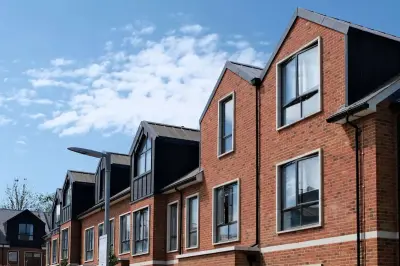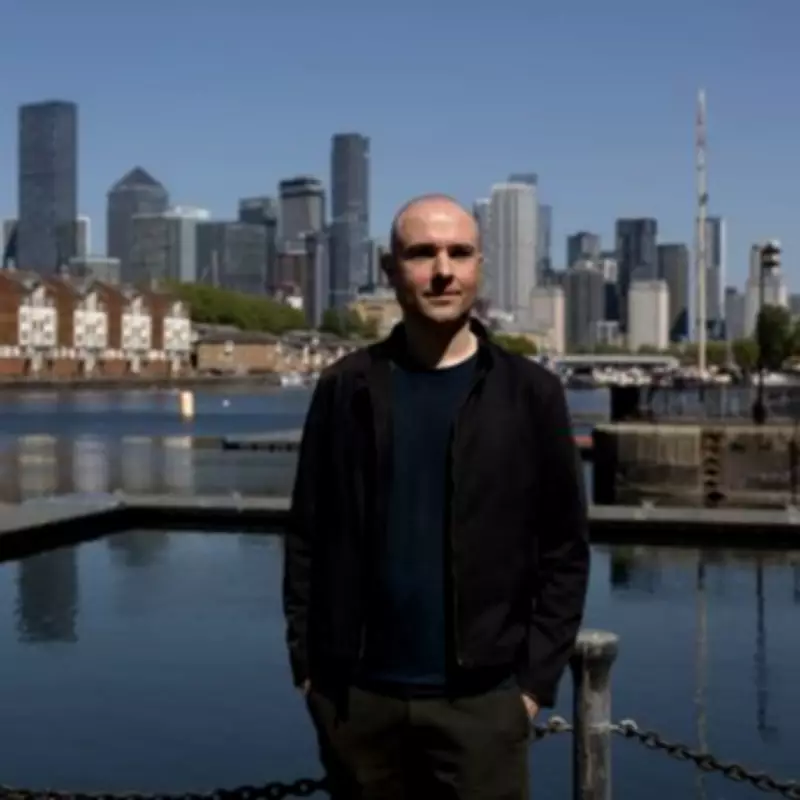
Before the Covid-19 pandemic, Rafael Ghisleni was living in his own flat in South London and was the sole director of an IT firm. He had purchased his new-build leasehold flat in Rotherhithe a few years prior for £625,000 and was content with his life. But when Covid-19 struck and the country went into lockdown, Rafael's life took a drastic turn. A succession of unfortunate events led to him being evicted from his dream flat in February 2024, which was then sold off well below market value.
Rafael told the Local Democracy Reporting Service: 'What followed my eviction was six months of homelessness. I couch-surfed when I could, stayed in hostels when I had the means, and eventually ended up sleeping in parks, near City Hall, and on night buses and London Underground trains to escape the cold.'
The start of the nightmare
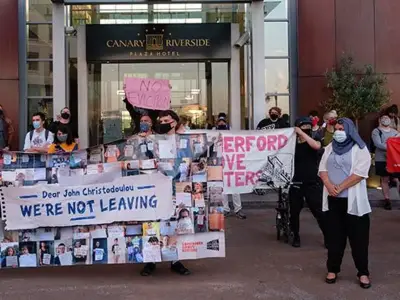
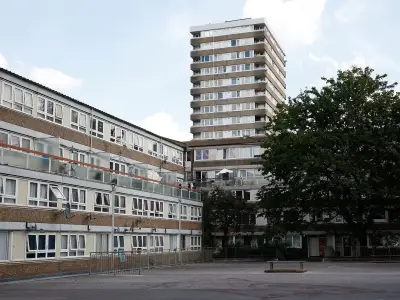
Rafael's nightmare began when flammable cladding was discovered on his block of flats at Tavern Quay, at the same time as he was unable to work due to lockdown. Government support was unavailable to him as a director of his own limited company, as he could not access the Self-Employment Income Support Scheme (SEISS).

He said: 'The London Fire Brigade inspected the building and notified us to vacate immediately because the cladding was flammable. I knew my flat from that moment was worthless. I couldn't re-mortgage but I had an expectation that the Government was going to do something.'
Soaring service charges
After a Waking Watch was implemented – a fire safety measure requiring 24/7 patrols – Rafael's quarterly service charges increased dramatically. Documents show that in January 2020, he was billed £893.83 by his freeholder, Canonbury Management. By April 2020, the charge had jumped to £3,984.97. Canonbury has denied directly implementing the Waking Watch, saying it was imposed by Tavern Quay RTM, a Right to Management company formed by residents. Canonbury stated that Tavern Quay RTM was forced to implement the Waking Watch after the London Fire Brigade issued an enforcement notice.
Rafael paid the April 2020 invoice 'in good faith' but asked Canonbury to clarify the charges. He accused Canonbury of 'promising details but never providing any,' while Canonbury says leaseholders were kept fully informed.
With no income and significantly higher bills, Rafael fell into service charge arrears and used up his savings to keep up with his mortgage and bills. He was taken to court by Tavern Quay RTM and ordered to pay £9,762.48, including arrears, interest, and legal costs.
Mortgage troubles
Rafael initially received a six-month mortgage payment holiday from his lender, Metro Bank. When that ended, he claims he asked to switch to an interest-only mortgage, but the bank says it has no record of this request. He borrowed money from friends and family to make a full payment, but then communication with Metro Bank became difficult. His mortgage was later sold to NatWest, which he says he was never told about. Metro Bank stated that all affected customers were informed by letter in November 2021 and that Rafael had missed his first mortgage payment in July 2021, months before the sale. The bank said it needed him to complete an income and expenditure assessment, which he never did.
Eviction and homelessness
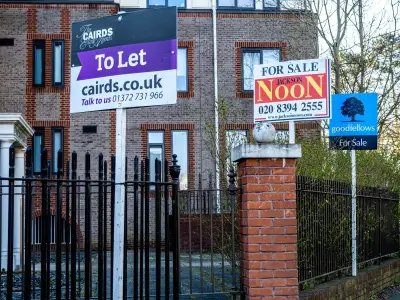
On February 12, 2024, NatWest carried out an express eviction, and Rafael became homeless. He was experiencing a severe mental health crisis at the time. He tried to challenge the eviction in court but was unsuccessful. NatWest sold his home in July 2025 for £394,000, which Rafael called 'a fire sale.' He said: 'All my life savings that I put into the flat as a deposit, plus all the repayments, were eroded. Selling it for more than £200,000 below market value left me with a debt I'll never be able to pay.'
A NatWest spokesperson said: 'We understand how challenging Mr Ghisleni's circumstances have been. He has taken the matter to the Financial Ombudsman Service, which found in our favour. A new case is active, and we will continue to cooperate.'

After six months of sleeping rough and sofa-surfing, Rafael was placed in temporary accommodation in Tottenham, North London. He now has a debt totalling more than £200,000 and says he cannot work in his previous profession. He feels 'let down by the system' and was left 'completely defenceless.' He added: 'The justice system, instead of being a protection, became another barrier, rubber stamping the robbery of my home, my life savings, and my fundamental rights.'
Rafael says he is sharing his story because 'I have nothing to lose.'