Bruce Springsteen. Keith Richards. Joe Strummer. George Harrison. Prince. These are just a few of the legendary artists synonymous with Fender's iconic Telecaster guitar. Seventy-five years ago, founder Leo Fender envisioned a reliable and versatile instrument for 'working players.' Decades later, the guitar's landmark anniversary was celebrated at Fender's Tele Town show, hosted at Nashville's historic Ryman Auditorium, the original home of the Grand Ole Opry. Metro had front-row seats for the extravaganza in Music City.
A Night of Historic Performances
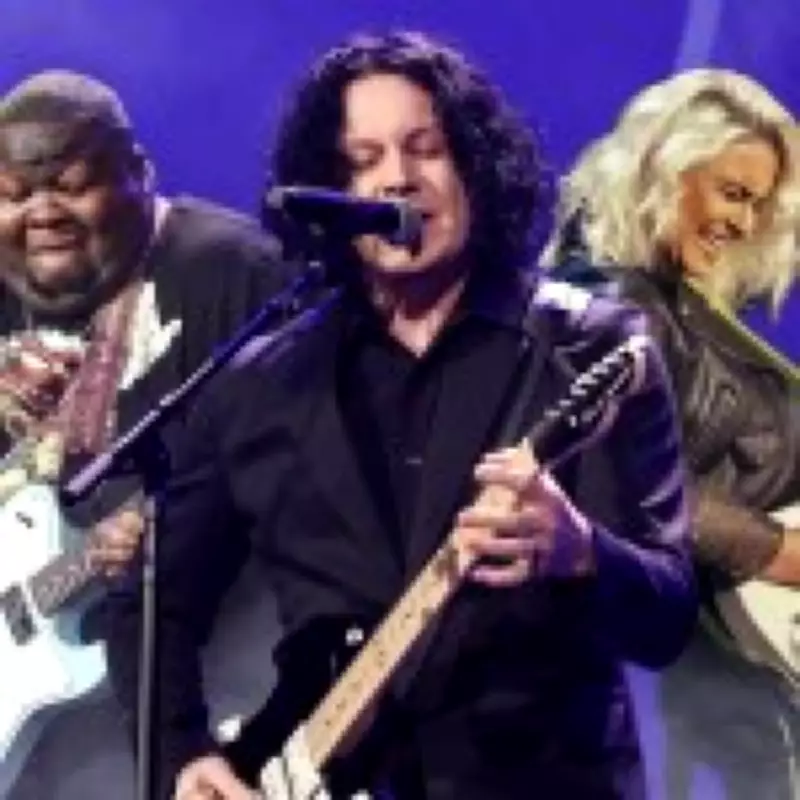
Emerging talent mixed with established icons for an historic night that saw surprise Telecaster performances from Jack White and John Oates. Rising stars Luke McQuery, Brothers Osborne, Emma Zinck, Kingfish, and Larkin Poe showcased the future of guitar playing with rip-roaring, face-melting sets. Legendary guests Ricky Skaggs, Tommy Emmanuel, and Brad Paisley paid tribute to the instrument's legacy with dizzying displays of musicianship. The biggest surprise of the night saw pioneering guitarist James Burton take the stage wearing the same jacket he wore during Elvis Presley's final tour in 1977. Seeing Burton line up alongside most of the night's performers for a stunning Telecaster closing jam was a moment firmly etched into the Ryman's storied history.
Nashville: The Heart of the Telecaster
With its famous illuminated Broadway strip packed with live music venues open all hours, Nashville is integral to the Fender story. Everywhere you look, the Telecaster is the instrument of choice for players in Nashville, whether for country, rockabilly, or straight-up rock music. It made total sense for Fender's headquarters to be based in a secret location within the city. Here, artists talk to the pros in a relaxed environment, knowing their ideas can blossom into fruition in the downstairs woodwork space. For instance, it was here where Jack White's extravagant Triplecaster was born. Fender's iconic models—from the Stratocaster to the Jaguar—line the walls, while posters from the 60s and 70s offer a glimpse into the brand's impact on music history.
Fender CEO on the Telecaster's Legacy
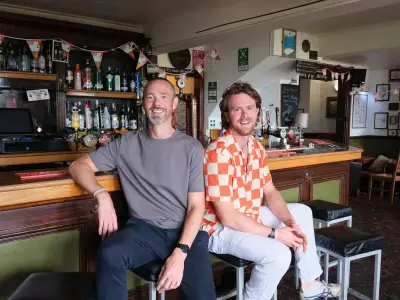
Metro sat down with Fender CEO Edward 'Bud' Cole and Justin Norvell, the firm's chief product officer, to delve into the legacy of the Telecaster and its future. 'Leo Fender 75 years ago decided that he was going to build a guitar around tonality, reliability, versatility,' Bud told Metro in his office. 'We want to make something for players who are working players. He wanted to make this solid-body guitar that could be mass produced. What came of that is this incredible simplicity. At first, it was very polarising. Then these working musicians, the very people he intended to make it for, found that it could cut through. It didn't feedback and could cut through all the different noise in the band. Leo had this amazing sense of what artists needed. He created this white canvas. This guitar is for all genres—from country to R&B, to blues, to rock. There are no limits.'
Bud took over as CEO in January after being president of Fender Asia Pacific. 'My first job interview out of college was with Fender in 93 or 94. It was for a PR job and I didn't get the gig. It's nice to come back, run APAC, bring back to life Made in Japan guitars, and build that whole business. It's such a humbling and heavy responsibility to run the number one bass, electric guitar and amp brand. I'm super excited about it. We absolutely will lead the market and we have an incredible responsibility to our players in this industry.' So who does Fender's top dog cite as some of his favourite Telecaster players? 'Bruce Springsteen, Chrissy Hynde, Pete Townshend, Jimmy Page,' he reveals.
The Telecaster's Enduring Relevance
Sounds of people jamming on guitars and the drum set ring out around the Fender building while we talk. 'The Telecaster is super integral to Fender,' Justin tells Metro. 'The Stratocaster was an evolution of the Telecaster. A solid-body guitar revolution, which kind of hit at the same time as the zeitgeist of music changing in the post-World War 2 era. They were originally intended for Hawaiian music…Western Swing. That's what Leo Fender was really into. But the Telecaster ends up in Joe Strummer's hands playing London Calling, or in Andy Summers'. There's country music which is super integral in its history, but it really is this pure, honest simple machine that songwriters have flocked to for years. Whether it's Bruce Springsteen or the Rolling Stones. It's an instrument that works in any genre, any style, and continues to be relevant today.'
Tele Town: A Passing of the Torch
The Tele Town celebration was the culmination of months of planning, Justin says, and was a landmark moment for Fender. 'It was amazing. We're always thinking about curating for the last 75 years but also being relevant for the next 75. It was a passing of the torch in a literal and figurative sense. It was huge. Seeing the variety—visually and sonically—of those guitars. They were all Telecasters but they were all very different. Jack White was melting faces while others were playing beautiful and melodic songs on them.' Fender may be one of the most recognisable music brands in the world, but Nashville—which is also home to Jack White's Third Man Records headquarters—remains close to its heart thanks to the love of the Telecaster. 'Nashville is huge for Fender because its nickname is Music City and it's the country music capital,' Justin adds. 'There are a lot of rock bands and blues here. The Telecaster is synonymous with country music. What comes to mind when you think of country music? It's the Tele. Nashville is kind of the epicentre, which is why we called it Tele Town, because this truly is the home of the Telecaster.'