A self-employed electrician from Eastbourne is facing financial devastation after his work van was wrecked by a massive pothole hidden beneath a puddle, leaving him over £1,000 out of pocket. The incident highlights the ongoing crisis in road maintenance across England and Wales, where crumbling infrastructure is costing drivers dearly.
The Costly Impact of Road Neglect
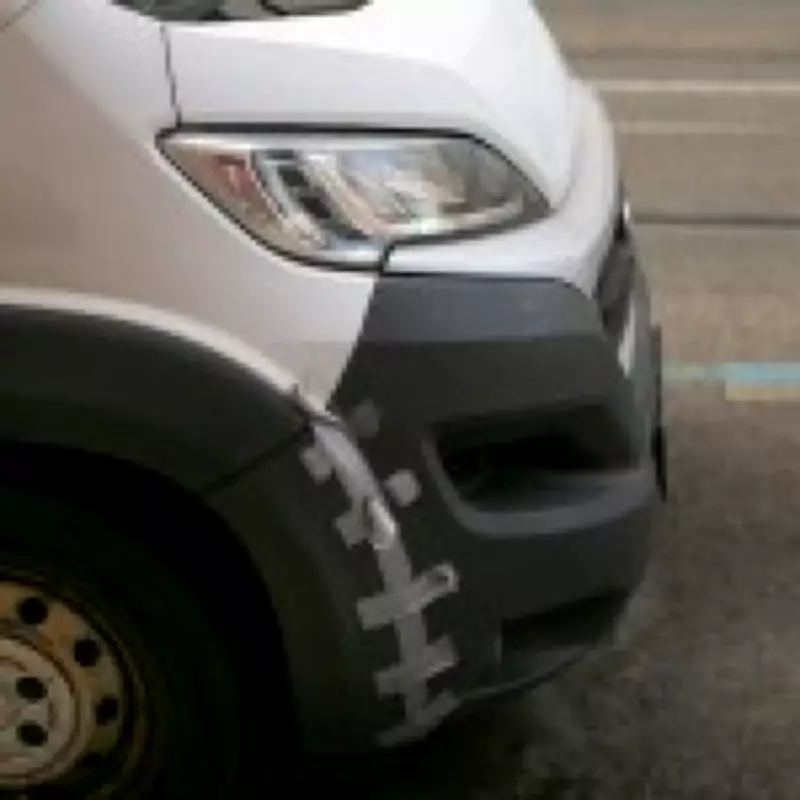
Dave, a 42-year-old electrician who relies entirely on his van for his livelihood, was driving to a job in East Sussex when he encountered what he describes as a "horrendous" impact. The hidden pothole bent his wheel rim, blew out the tyre, and caused serious damage to the suspension and steering alignment. His local garage has quoted over £800 for repairs, but the true cost extends far beyond the mechanic's bill.
Lost Income Compounds the Problem
"I've already had to cancel three days of work," Dave explained. "This means I'm losing income on top of the repair bill. I'm absolutely fuming that I pay my road tax and council tax, yet I'm the one footing the bill for their failure to maintain the roads."
The situation exemplifies a growing national problem. According to the Asphalt Industry Alliance, the backlog of pothole repairs on local roads in England and Wales has now reached a staggering £18.6 billion. The AA reported attending over 613,000 pothole-related breakdowns last year alone, while the RAC has seen compensation claims to councils soar by 90% over the past three years.
The Legal Battle for Compensation
Consumer champion Sarah Davidson responded to Dave's predicament with both empathy and practical advice. "As a fellow driver, my blood is absolutely boiling for you," she wrote. "The condition of our roads is a national disgrace. Almost two decades of austerity cuts to local council budgets, rampant inflation and inexcusable underfunding have left the country crumbling – quite literally."
Council's Statutory Duty vs. Legal Defenses
Local authorities have a statutory duty under the Highways Act 1980 to maintain roads and ensure they are safe. However, they also possess a robust legal defense under Section 58 of the same Act, which allows them to reject claims if they can prove they took 'reasonable steps' to maintain the highway.
"In practice, this means if the council can show they inspected the road according to their schedule and the pothole wasn't there at the time, they are not legally liable for your damage," Davidson explained. RAC data reveals the depressing reality: councils settled only 26% of the 53,000 claims submitted by drivers in 2024, with 172 councils refusing more than 90% of claims.
How to Submit a Claim
Despite the low success rate, experts still recommend submitting a formal claim. The process requires meticulous documentation:
- Take clear photographs of the pothole, using a tape measure to show its depth and width
- Use What3words to pinpoint the exact location
- Note the date, time, and weather conditions when the incident occurred
- Photograph the damage to your vehicle
- Include written estimates or invoices from repair garages
Claiming for Lost Earnings
Drivers can include loss of earnings in their claims, but must provide concrete evidence of net financial loss. This requires documentation of cancelled jobs and typical daily earnings, potentially using previous invoices or tax returns. Importantly, claimants can only seek compensation for lost profit, not the gross value of cancelled work.
For Dave, this means contacting East Sussex County Council through their official claims process on the East Sussex Highways website. If the council rejects the claim, claimants should request copies of road inspection reports. If these reports show the council failed to address the pothole within a reasonable timeframe, there may be grounds to challenge the decision.
A Tortuous but Necessary Process
The claims process can be painfully slow, often taking more than 12 weeks just for an initial assessment. However, consumer advocates argue that submitting a claim serves an important purpose beyond potential compensation.
"At least you're forcing the council to inspect the road and, you'd hope, fix it," Davidson noted. "The system may be stacked against individual drivers, but the collective pressure of thousands of claims highlights the scale of the infrastructure crisis."
The incident raises broader questions about responsibility for road maintenance and whether current funding levels adequately address the growing problem. With repair backlogs reaching record levels and compensation claims skyrocketing, the pothole crisis shows no signs of improvement, leaving drivers like Dave to navigate both damaged roads and a challenging claims process.