
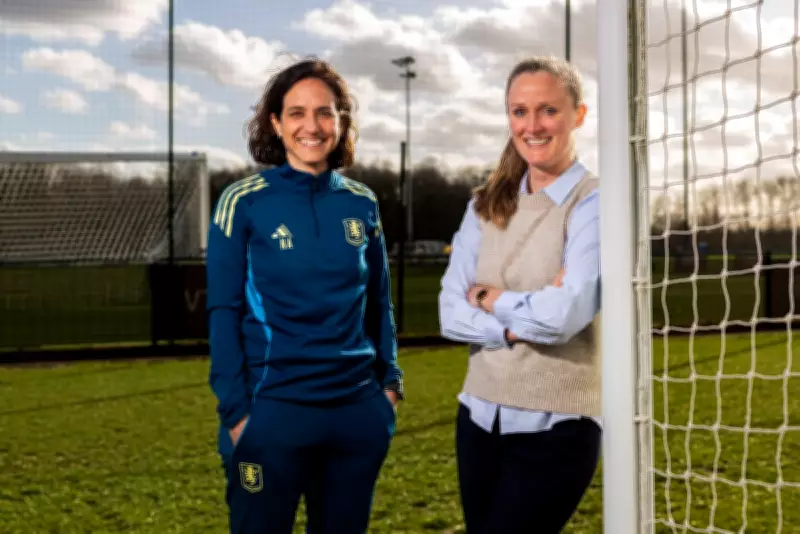
Aston Villa Women's Female Leadership Trio Aims to Blaze Trail in Football
Natalia Arroyo, Marisa Ewers, and Maggie Murphy are savoring their autonomy in major roles at Aston Villa Women, aiming high amid tough challenges as they prepare to dedicate Sunday's home league game against Manchester City to International Women's Day. The club represents a rarity in having these three specific leadership positions all filled by women, creating what Arroyo describes as "an unusual thing" in professional football.
Opening Doors for Future Generations
Marisa Ewers, the club's director of women's football who ended her playing career at Villa in 2022, emphasizes the symbolic importance of their positions. "After you," Ewers says when walking through doorways, hoping to open doors figuratively as well as literally by inspiring other female players to follow her into boardroom careers. "We have a really big responsibility in helping other women step into the space," Ewers explains. "If women see it's possible at a big club like this, it's huge."
The leadership team brings together three different nationalities and career backgrounds, with Ewers noting this diversity as a significant benefit. Alongside executive board members including chief people officer Lisa Bailey, head of football administration Sharon Barnhurst, and general counsel Victoria Wilkes, they form a substantial female presence in the club's hierarchy.
Natural Leadership and Growing Autonomy
Head coach Natalia Arroyo, a former Barcelona player who worked as a journalist before moving into coaching, approaches her role without focusing on gender. "I'm never looking at people or roles from the gender perspective," Arroyo states. "I totally understand we still need to bring this topic on the table and realize this is still an unusual thing. But I'm just seeing a person that is capable is leading us. I celebrate that the club is so natural and brave."
Maggie Murphy arrived as managing director earlier this season with more than fifteen years' experience in the industry, including a spell as chief executive of former second-tier side Lewes FC. Arroyo was immediately impressed, saying: "When I was Googling her, I was impressed by her CV. She's amazing, she brings good energy, so it's like: 'Wow, definitely I can learn from her.' She's a massive boost for us."
Murphy's arrival followed the sale of the women's team to Villa's parent company, V Sports, officially making them a stand-alone entity. "Through this separation, it gives us a little bit more autonomy and authority to try and figure out what we want to do," Murphy explains. "In the six months that I've been here, the first thing we've done is try to reconnect with the fans and build that trust."
Defining Success Beyond Results
The club measures success through multiple metrics beyond match outcomes. They take particular pride in young midfielder Lucia Kendall breaking into the England team this season, demonstrating their development pathway. Off-pitch engagement remains equally important, with Sunday's game featuring partnerships with Level Playing Field to highlight experiences for disabled sports fans and starting XIs revealed through British Sign Language on the big screen.
A guard of honour featuring inspirational women connected to the club will welcome players onto the pitch as part of an International Women's Day networking event. Men also play important roles in the setup, including newly appointed technical adviser Brian Sørensen, the former Everton manager whom Arroyo describes as adding "massive value" with his football vision.
On-Field Challenges and Long-Term Ambitions
Currently sitting ninth in the Women's Super League, seven points clear of last place and three points away from the top half, Villa faces immediate challenges. Arroyo admits before Sunday's visit from league leaders Manchester City that they need to "go back to basics" and improve defensive solidity, with memories of conceding seven goals against Tottenham last month still fresh.
Long-term ambitions remain sky-high, with Ewers using mountaineering metaphors to describe their journey. "What's Everest? Probably winning titles, winning the Champions League," Ewers states. "And now I think we are at base camp. It takes a long time to get to base camp. We've worked really hard to get to this place and I would say we have everything now to really succeed and be successful. It will take some time and the long-term aim is to be that ambitious, competitive team."
As these three women continue to lead Aston Villa Women forward, they recognize both their pioneering status and their responsibility to create pathways for future generations of women in football leadership positions.