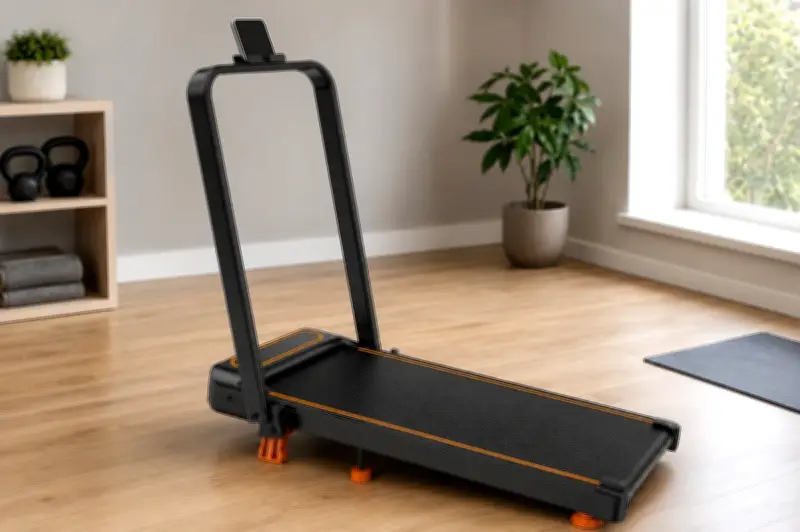
Walking on an incline is a simple yet powerful way to intensify your workout, torching more calories and building strength without the high impact of running. Fitness experts say that even a modest uphill grade can significantly increase the cardiovascular and muscular demands of a walk, making it an efficient option for those looking to elevate their daily exercise routine.
What Happens When You Walk on an Incline?
When you set a treadmill to an incline, your body has to work harder to overcome gravity. This extra effort engages more muscle fibers, particularly in the glutes, hamstrings, and calves. According to a study published in the Journal of Sports Science & Medicine, walking at a 5% incline increases oxygen consumption by about 17% compared to walking on a flat surface at the same speed.
The increased workload also elevates your heart rate, improving cardiovascular endurance. Over time, consistent incline walking can help lower blood pressure and improve cholesterol levels, contributing to better overall heart health.
5 Key Benefits of Incline Walking
- Burns More Calories: A 150-pound person walking at 3.5 mph on a flat surface burns roughly 240 calories per hour. Adding a 5% incline bumps that to about 340 calories per hour – a 42% increase.
- Strengthens Lower Body: The steeper the grade, the more your glutes, quadriceps, and hamstrings are activated. This can lead to improved muscle tone and functional strength.
- Reduces Impact on Joints: Unlike running, incline walking is low-impact, making it easier on knees and ankles while still providing a challenging workout.
- Improves Posture and Balance: Walking uphill encourages an upright posture and engages your core, which can enhance stability and reduce back pain.
- Boosts Mental Health: Like all aerobic exercise, incline walking releases endorphins, which can help reduce stress and anxiety.
How to Start Incline Walking Safely
If you're new to incline walking, experts recommend starting with a low grade – around 1-2% – and gradually increasing it over several weeks. "Begin with a 10-minute warm-up on a flat surface, then increase the incline by 1% every 2-3 minutes until you reach a challenging but sustainable level," suggests personal trainer Sarah Johnson. "Keep your pace moderate, and always maintain a natural stride."
It's also important to pay attention to your form. Keep your head up, shoulders relaxed, and engage your core. Avoid leaning forward excessively, as this can strain your lower back. If you're using a treadmill, hold the handrails only for balance, not for support, to ensure your muscles do the work.
Sample Incline Walking Workout
To get started, try this 30-minute routine: Warm up for 5 minutes at 0% incline and a comfortable pace. Then, increase the incline to 3% for 5 minutes, 5% for the next 10 minutes, and 7% for the final 10 minutes. Adjust the speed so you're working at a moderate intensity – you should be able to talk, but not sing. Finish with a 5-minute cool-down at 0%.
As your fitness improves, you can increase the duration, speed, or incline. The American Council on Exercise suggests that varying your incline can prevent plateau and keep your workouts interesting.
Incline Walking vs. Running
While running burns more calories per minute, incline walking offers a gentler alternative that can be sustained for longer periods. A 2014 study in the Journal of Strength and Conditioning Research found that incline walking at a steep grade (15-20%) produced similar cardiovascular benefits to running on a flat surface, but with less perceived exertion.
For those with joint issues or who are new to exercise, incline walking is a safer entry point. It also provides a practical way to simulate outdoor hill walking, which can be beneficial for hikers or those training for outdoor events.
Expert Tips for Maximizing Results
To get the most out of your incline sessions, consider the following:
- Incorporate interval training: Alternate between a moderate incline and a steep incline to challenge your body in different ways.
- Use a backpack or weighted vest to add resistance, but start light to avoid injury.
- Stay hydrated and listen to your body – if you feel dizzy or short of breath, reduce the incline or take a break.
Remember, consistency is key. Aim for at least 150 minutes of moderate-intensity aerobic activity per week, as recommended by the World Health Organization. Incline walking can be a valuable part of that mix.
For more fitness tips and product recommendations, check out our guide to the best treadmills for home use, which includes models with sturdy incline settings suitable for all fitness levels.