
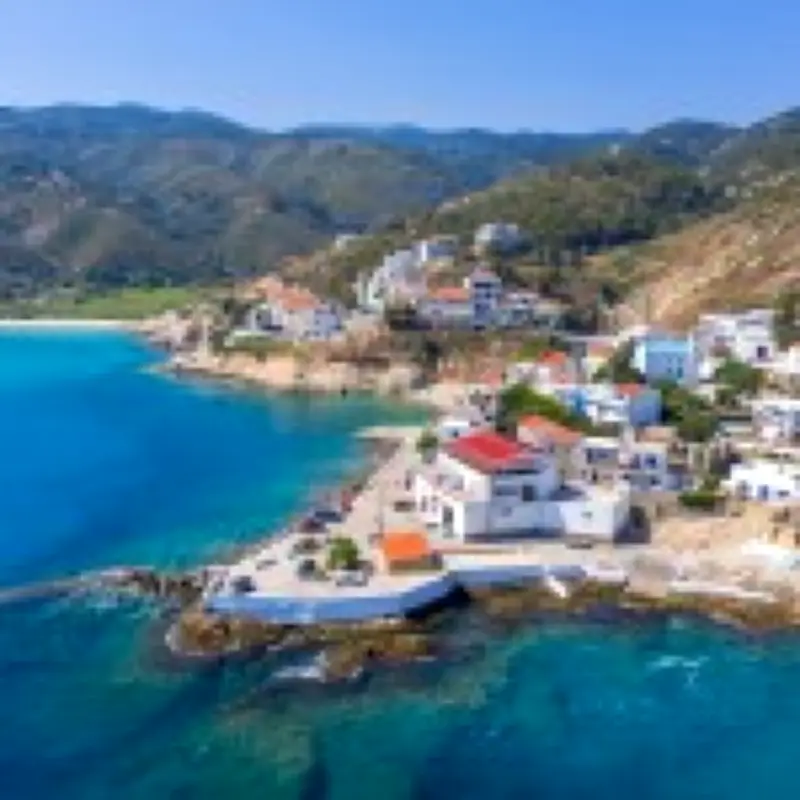
Ikaria, a remote Greek island in the Aegean Sea, is one of the world's Blue Zones, where residents routinely live to 100 or more. This enigmatic island, steeped in the myths of Icarus and Dionysus, offers a rare combination of natural beauty, therapeutic hot springs, and a lifestyle centered on longevity and community.
Why Ikaria Is Gaining Global Attention
Greece has always been a top travel destination, but this year, interest has skyrocketed. Industry insiders report a 72% surge in demand for Greek travel, fueled by Christopher Nolan's epic film The Odyssey, which brings Homer's world to life. While Ithaca, the hero's destination, grabs headlines, Ikaria remains a hidden gem, offering a more elusive and mystical experience.
Unlike the bustling tourist hubs, Ikaria is an island that marches to its own rhythm. The local phrase siga siga—meaning 'slowly, slowly'—captures the essence of life here. Residents prioritize living in the moment, enjoying long meals with family and friends, and taking midday rests, all of which contribute to their remarkable health and longevity.
The Myth of Icarus and the Island's Name
The island's name is rooted in the legend of Icarus, the son of the master inventor Daedalus. According to myth, Icarus flew too close to the sun, his wax-and-feather wings melted, and he plunged into the Aegean Sea. His body washed ashore on an unnamed island, which was later named Ikaria in his honor.
Today, visitors can visit the Rock of Icarus, located about 50 meters off the coast of Vaoni beach. The site features a statue and a small outdoor stone amphitheater, where cultural events are held in summer, including the Icarus Festival every July and August. The festival showcases world music, traditional Greek performances, and art exhibitions, drawing both locals and travelers.
A Blue Zone: Secrets to Longevity
Ikaria is one of the world's Blue Zones, regions where people live exceptionally long and healthy lives. One in three locals lives to 90, a statistic that has intrigued scientists and travelers alike. The island's rugged terrain forces residents to walk up steep hills daily, providing natural physical activity without the need for gyms.
Their diet is a cornerstone of their health: a Mediterranean regimen rich in legumes, potatoes, whole grains, extra virgin olive oil, and local red wine, often enjoyed over leisurely lunches. Additionally, the island's hot thermal springs, used since Roman times, offer natural wellness benefits. The Halarari Gorge, a protected nature reserve, provides scenic hiking routes with streams, waterfalls, and rock pools.
Historical and Cultural Richness
Ikaria's history adds to its unique character. During the Greek Civil War (1946-49), the island became home to some 13,000 communist exiles, including poets, writers, and intellectuals. This period earned Ikaria the nickname 'red rock' and shaped a free-thinking, creative identity among its people.
The island also boasts the ancient Tower of Drakano, a 4th-century BC watchtower near Mount Drakano, where Dionysus, the god of wine, was said to have been raised. This connection to wine is still celebrated, with local vineyards producing robust reds enjoyed at traditional Panagiria—feast days that start in the afternoon and continue until dawn, filled with live music, dance, and flowing wine. In August alone, 15 such feasts are scheduled across the island.
Beaches and How to Get There
No visit to Ikaria is complete without exploring its beaches. Seychelles Beach, a hidden cove with azure waters and white pebbles, is the most famous. For history buffs, Nas Beach offers unspoiled beauty near the Chalares River gorge and the ruins of the Temple of Artemis, dating back 2,400 years.
Getting to Ikaria requires some planning, as there is no direct route. Travelers can fly to Athens and take a domestic flight to Ikaria's small airport, costing around £230 and taking 7 hours. Alternatively, a ferry from Athens takes 7 hours and costs about £56. The most economical option is to fly from London Stansted to Samos, Ikaria's neighboring island, for around £74 with Jet2, followed by a one-hour ferry ride costing about £6.
Ikaria remains a destination for those seeking authenticity, wellness, and a slower pace of life—a true escape from the modern world.



