
Tottenham's 1977 Relegation: A Shocking Fall from Grace
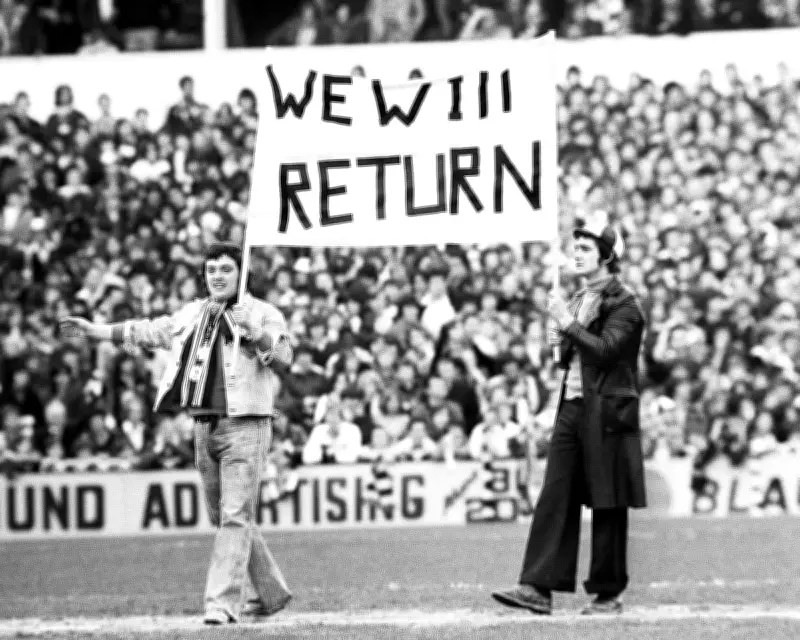
In May 1977, Tottenham Hotspur, a club celebrated for its historic Double win in 1961 and European success, suffered a devastating blow. A 5-0 defeat at Manchester City's Maine Road confirmed their relegation from the First Division, sending shockwaves through English football. This event marked the first time Spurs had dropped out of the top flight in the 20th century, leaving players like Glenn Hoddle in tears and fans in disbelief.
The Downward Spiral: How It Happened
The roots of Tottenham's decline traced back several years. After manager Bill Nicholson's resignation in 1974, following a 16-year reign, the club struggled to maintain its former glory. Key players from the Double era had retired or departed, and replacements were not adequately found. Under Terry Neill, Spurs narrowly avoided relegation in 1975, but when Neill left for Arsenal in 1976, Keith Burkinshaw took over a weakened squad.
The 1976-77 season began poorly with early losses, and a crushing 8-2 defeat to Derby in October highlighted deeper issues. Internal conflicts were common, with players blaming each other for defensive lapses that led to 72 goals conceded. Home games at White Hart Lane became tense, as restless fans jeered mistakes, creating a hostile atmosphere.
Key Moments and Player Reactions
Despite occasional bright spots, such as a victory over champions Liverpool, Tottenham's form remained inconsistent. Relegation was sealed on May 7, 1977, leaving a lasting impact on the team. Goalkeeper Pat Jennings, considered the world's best at the time, noted that relegation had been brewing for years, not just in that final match. In his autobiography, Hoddle expressed guilt over failing to save his boyhood club, describing it as a scarring experience.
After relegation, Jennings controversially moved to Arsenal, but core players like Steve Perryman, Terry Naylor, and John Pratt stayed, driven by loyalty to Tottenham. This commitment proved crucial in the club's recovery.
The Bounce-Back and Lessons Learned
Tottenham responded defiantly, gaining promotion back to the First Division the very next season. Burkinshaw's innovative management, including signing World Cup winners Ossie Ardíles and Ricky Villa and introducing a sports psychologist, helped rebuild the team. He later led Spurs to FA Cup and Uefa Cup triumphs, cementing his legacy.
Reflecting on that era, former winger Peter Taylor emphasizes the importance of player loyalty and proper recruitment. He suggests that today's Tottenham squad could learn from past mistakes, as the current team, under pressure, risks a similar fate if issues are not addressed.
Implications for the Present
As Tottenham faces another relegation battle, the 1977 episode serves as a stark reminder. Historical parallels highlight the need for strong leadership, cohesive teamwork, and strategic signings. While the club eventually recovered, the emotional and professional toll of relegation underscores why avoiding such a scenario is critical for maintaining prestige and fan trust.