
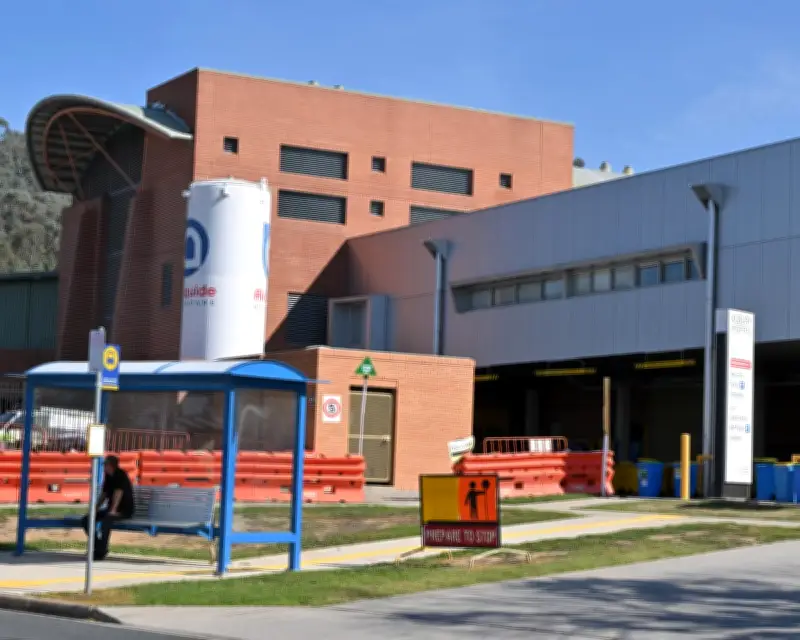
A New South Wales surgeon has been found guilty of professional misconduct and barred from practising for six months after a tribunal found she operated on the wrong end of a patient's bowel and failed to detect cancer in another patient.
Catastrophic surgical error at Albury hospital
The NSW Civil and Administrative Tribunal considered the treatment of 13 patients by Dr Liu-Ming Schmidt, concluding her management of them fell significantly below reasonable standards. The tribunal found Schmidt made a catastrophic error when she operated on the wrong end of a 79-year-old man's bowel in December 2019 at Albury hospital. The patient had been transferred with a perforated bowel detected via CT scan, requiring removal of a bowel section and creation of a stoma for waste collection.
According to the tribunal decision, Schmidt brought out the wrong end of the bowel when forming the stoma, causing a complete mechanical bowel obstruction that rendered the stoma incapable of passing faecal material. The tribunal found her conduct of the procedure was significantly below the relevant standard.
Coronial inquest links error to patient's death
A coronial inquest into the 79-year-old's death, referenced in the tribunal's decision, determined he died from complications of inflammation, to which Schmidt's surgical error contributed. The decision stated that other contributing causes included a prolonged delay in diagnosing the mechanical bowel obstruction and underlying natural causes. The tribunal also found Schmidt failed to provide appropriate post-operative care to the man.
Missed cancer diagnosis in another patient
In another case, Schmidt failed to perform a complete colonoscopy, resulting in a missed cancer that the tribunal found should have been identified during the procedure. The tribunal heard that Schmidt did not take adequate time for colonoscopies in five patients; one procedure was completed in just five minutes. Schmidt admitted she did not allocate sufficient time for these procedures and also failed to capture adequate images during several colonoscopies.
An expert witness who reviewed the cases expressed concern about the rapid time Schmidt took to conduct colonoscopies. The tribunal decision noted that a rapid withdrawal time leads to lesions being missed, which may indicate cancer.
Investigation and impact on patients
In 2023, the Health Care Complaints Commission and Medical Council of New South Wales launched an investigation after a panel reviewed Schmidt's patient treatments between 2018 and 2022. Nearly 2,000 patients who received colonoscopies performed or supervised by Schmidt were advised they might need repeat procedures to ensure cancer absence. The tribunal found that about 1,000 underwent repeat colonoscopies, and seven were diagnosed with cancer.
The decision acknowledged that no one could definitively say the cancers resulted from Schmidt's failures, but it rejected her explanation that her rapid colonoscopy technique was based on her training and reaccreditation. The tribunal stated that evidence indicated her training would have informed her to take longer to ensure thoroughness.
Consequences and conditions
Schmidt admitted her conduct was sufficiently serious to justify suspension or cancellation of her registration. After her six-month suspension expires, she will face conditions on her registration, including practising under supervision.




