UK Government Launches Landmark Social Media Ban Trials for Teenagers
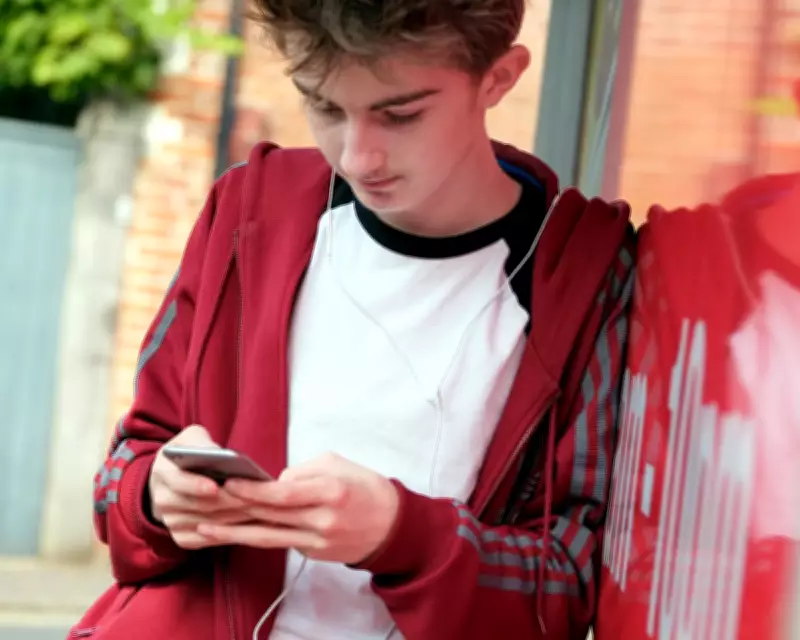
The UK government has announced an ambitious initiative to trial social media bans and restrictions involving hundreds of teenagers. This groundbreaking effort includes outright bans, overnight digital curfews, and daily screen time limits as part of a comprehensive three-month consultation. The trials aim to address the negative effects of smartphone use among young people, potentially leading to stricter regulations similar to those implemented in Australia.
Details of the Consultation and Trials
The consultation, described as the world's most ambitious on social media, will explore a range of critical issues. It will consider establishing a minimum age for social media use, requiring platforms to disable addictive features like infinite scrolling and autoplay, and implementing mandatory overnight curfews to improve children's sleep. Additionally, the consultation will examine how to strengthen age verification enforcement and address the unrestricted use of AI chatbots and gaming platforms such as Roblox.
The first trial will involve approximately 150 children aged 13 to 15. Participants will be subjected to various conditions, including complete social media denial, a one-hour daily limit, and overnight screen curfews. Researchers will assess the impact on their sleep patterns, moods, and physical activity levels to gather evidence for future policy decisions.

Reactions from Campaign Groups and Industry
Several child safety campaign groups have expressed opposition to a blanket ban. The NSPCC warned that such a measure could drive teenagers toward unregulated online spaces, while the 5Rights Foundation emphasized that social media companies should not be absolved of responsibility. In contrast, the Smartphone Free Childhood campaign, which mobilized 250,000 supporters to advocate for a ban, argued that parents are struggling against powerful algorithms designed by tech giants.
Joe Ryrie, co-founder of the campaign, stressed the need for clear age boundaries and accountability from companies. Meanwhile, major tech firms like Meta, TikTok, and X have remained largely silent on the consultation, with Meta declining to comment and the others not responding to requests.
Government Stance and Broader Context
Technology Secretary Liz Kendall highlighted the challenges parents face in managing their children's screen time and online exposure. The government acknowledged opposition from some charities and emphasized that the consultation extends beyond a simple ban to include various options. Andy Burrows of the Molly Rose Foundation urged evidence-based approaches over simplistic solutions, calling for children's safety to be a non-negotiable priority in the tech industry.
This initiative follows revelations that tech lobbyists have had significantly more access to government ministers than child safety campaigners, raising questions about influence in policy-making. The consultation represents a pivotal step in shaping how young people navigate rapid technological changes while safeguarding their mental health and well-being.