Starmer's Leadership Tested as Global Energy Crisis Looms Over UK
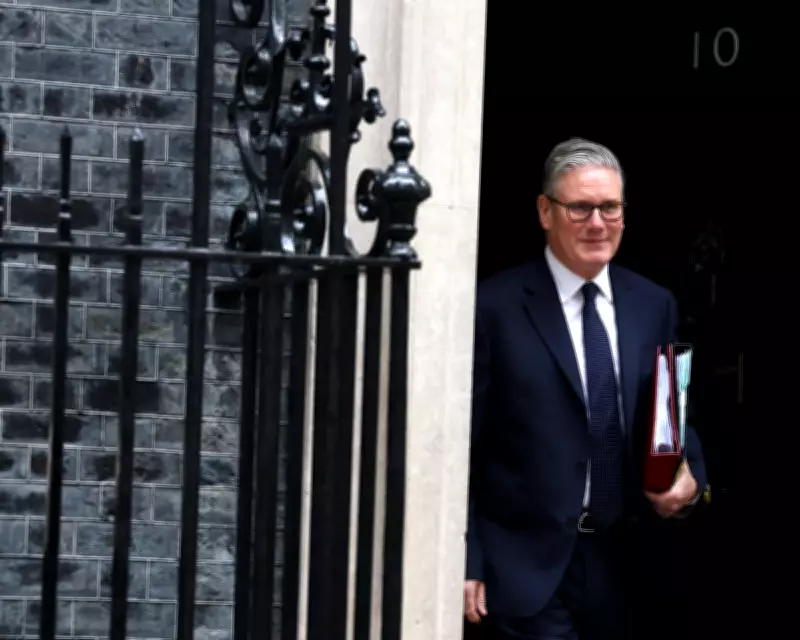
Sir Keir Starmer finds himself grappling with a formidable global energy crisis, a situation that starkly contrasts with Boris Johnson's leadership style yet presents similar challenges in staying ahead of rapidly unfolding events. While Starmer cannot be held accountable for the Middle East turmoil, his ability to reassure the public about long-term consequences is under intense scrutiny.
The Ghost of Pandemic Mismanagement
Public reassurance stands as a fundamental government duty during turbulent periods. The early stages of the Covid pandemic serve as a cautionary tale of failure in this regard. Boris Johnson's leadership was characterized by indecision and a refusal to acknowledge the severity of the situation, resulting in panic-buying that emptied supermarket shelves of essential items.
Although Sir Keir Starmer differs markedly from Mr. Johnson in both temperament and work ethic, he too faces difficulties in anticipating and managing a global crisis. This challenge becomes particularly daunting when the source of instability is a superpower acting unpredictably. Donald Trump's impulsive foreign policy decisions cannot be forecast with the precision of epidemiological models.

Limited Influence, Lasting Consequences
Starmer possesses minimal control over Middle East developments, though he demonstrated prudent judgment by refusing to deploy British forces at Trump's behest for bombing Iran. While this conflict may not be Britain's war, as the prime minister asserts, it undoubtedly represents Britain's problem with enduring implications.
Even under optimistic scenarios where the Strait of Hormuz reopens promptly and remains unobstructed, Gulf states' energy export capacity will require years to fully recover. Vital commodities will not immediately return to normal supply levels. Shortages appear increasingly likely, while a sustained period of elevated inflation seems inevitable.
Economic Plans Overtaken by Events
Chancellor Rachel Reeves has expressed understandable frustration and anger regarding the US decision to initiate a war with ambiguous objectives and no clear exit strategy. Her fiscal plans, including the £24 billion "fiscal headroom" projected in March's spring statement, have been dramatically upended by unfolding events.
Reeves now faces mounting pressure to provide emergency support for households confronting higher energy bills. International conflict simultaneously generates demands for increased defense spending, while slower economic growth diminishes Treasury revenue and borrowing costs remain elevated. Difficult decisions regarding taxation and public expenditure loom on the horizon, arriving at a time when public goodwill toward the government has significantly eroded.
The Need for Strategic Preparation
The prime minister's typical approach to such challenges involves maintaining business as usual while expressing understanding of public discontent and promising eventual improvements. However, this message lacks a compelling overarching vision and shows little evidence of resonating with voters.
The potential scale of upcoming challenges demands a fundamentally different strategy. While Britain might avoid the severe energy shortages already affecting parts of Asia, assuming a mild price shock, resilient supply chains, or only a shallow global economic downturn would be dangerously optimistic. The public requires preparation for possible significant disruption and encouragement to adopt more energy-efficient practices.
Ministers naturally wish to avoid triggering panic by emphasizing potential shortages, just as it proves unhelpful to depress consumer confidence by predicting difficult times ahead. Yet pretending that circumstances remain unchanged or that existing budgets can withstand another surge in living costs would constitute irresponsibility.
Navigating Between Denial and Alarmism
A viable path exists between needless anxiety and dangerous denial. This approach requires sober risk assessment and visible preparedness to implement mitigation measures. While Sir Keir Starmer bears no responsibility for the economic consequences of a war he didn't initiate, he should by now possess—and be seen to possess—a comprehensive plan for managing a severe and prolonged crisis.