Hormuz Blockade Threatens UK Food and Medicine Supplies as Crisis Deepens
The closure of the Strait of Hormuz, a critical global shipping route blocked by Iran following US-Israeli attacks, is sending shockwaves through international supply chains. With industries already grappling with rising energy costs, prolonged disruption could severely impact food and medicine supplies in the United Kingdom. Governments worldwide are scrambling to address the implications, with UK Foreign Secretary Yvette Cooper convening a meeting of 35 nations to discuss reopening the vital waterway.
Immediate Effects: Two Weeks of Crisis
Food Sector Under Pressure
Professor Tim Lang from City St George's, University of London, a leading food supply chain expert, warns that Britain has never experienced the medium-term impact of such a massive shock to the global energy system. "All bets are off," he states, noting that sharp increases in fossil fuel prices directly affect food supplies through transportation costs and agricultural inputs like fertilizer.

Industry analyses suggest food price inflation in England could double as production costs soar. The National Farmers' Union reports that UK farm businesses face immense pressure from disrupted global oil and gas markets. Arable, livestock, and dairy farmers are confronting rising fuel and fertilizer expenses, while horticulture businesses struggle with surging greenhouse heating costs and increased energy standing charges.
Specific Iranian imports like pistachios and saffron are already experiencing supply jolts. Former government food adviser Henry Dimbleby notes that Iran produces approximately 85-90% of the world's saffron supply and dominates global pistachio kernel exports.
Medicine Supply Chain Strain
While no immediate medicine shortages have been confirmed, the National Pharmacy Association reports significant price increases indicating supply chain disruption. These hikes are absorbed by the NHS rather than passed directly to consumers. The pharmaceutical sector faces challenges from rising energy costs and disrupted transport links between manufacturing hubs like India and China and importing nations like the UK.
David Weeks of Moody's analytics group explains that drug shortages are driven by delays in petrochemical precursors used to produce active pharmaceutical ingredients. However, Constantin Blome from the Stockholm School of Economics notes that European countries, including the UK, maintain medicine stockpiles lasting up to six months, providing some buffer against immediate shortages.
Six-Week Crisis Scenario
Food Shortages Loom
If the blockade continues for six weeks, Professor Lang warns of potential supply shortages affecting pork, chicken, and fresh produce. Horticulturalists may choose not to plant due to prohibitive greenhouse heating costs, while large firms turning to African suppliers will face similar fuel cost challenges.
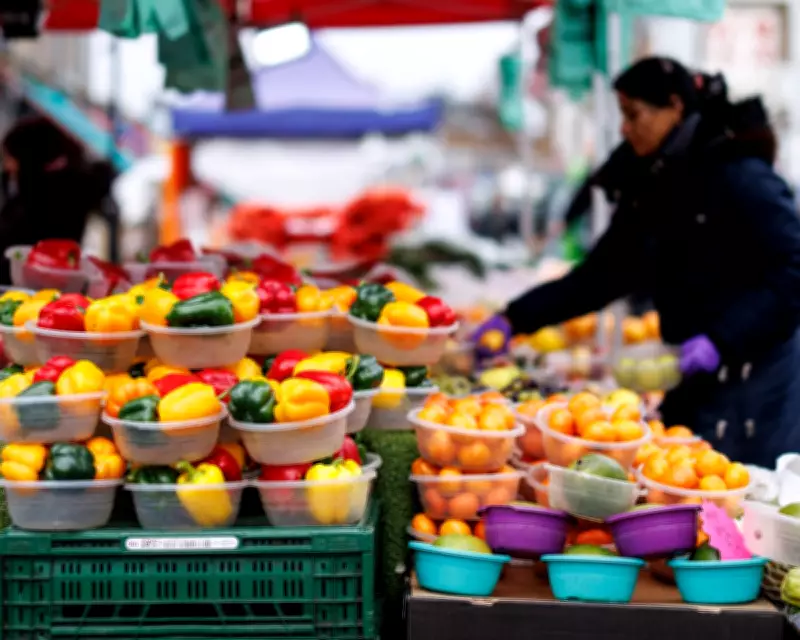
The British Tomato Growers' Association predicts price increases for tomatoes, peppers, and cucumbers within approximately six weeks as gas heating costs for glasshouses rise dramatically.
Medicine Supply Adaptations
In the medium term, manufacturers and wholesalers can redistribute stock to address gaps, while pharmacies can share resources locally as during the COVID-19 pandemic. The Department of Health and Social Care may implement serious-shortages protocols to ration vulnerable medications.
Gareth Thomas of the National Pharmacy Association anticipates further price hikes, though predicting specific impacts remains challenging. He notes that pharmacists face legal restrictions preventing prescription modifications that could help manage shortages.
Long-Term Implications: Six Months of Disruption
Food Security Concerns
By autumn, the grain supply chain would face significant impacts as growers confront higher input costs for fertilizer. Henry Dimbleby warns that autumn crops like winter wheat and barley would be particularly affected, with consequences reaching shops by spring/summer 2027.

Professor Lang emphasizes that prolonged conflict would exacerbate food inequality, disproportionately affecting low-income households already experiencing food insecurity. Highly processed foods, often purchased by poorer families, may see price increases as production inputs become more expensive.
Unlike countries like Switzerland with three-month food stockpiles or China with extensive strategic reserves, the UK maintains no government food stockpile, with supermarket shelves typically holding just three days' worth of food on average.
Medicine Supply Resilience Tested
For longer-term disruptions, Professor Liz Breen of the University of Bradford expects the health department to work with suppliers to secure alternative routes or new sources, similar to approaches used during hormone replacement therapy shortages. The department might also identify therapeutic alternatives and communicate these to healthcare professionals.
Constantin Blome predicts that extended conflict would likely result in Iran allowing some tanker passage at higher prices, creating price spikes rather than complete stockouts. He advocates for supply chain diversification, though acknowledges the expense and complexity of accrediting multiple suppliers meeting medical regulations.
Gareth Thomas notes that recovery from major disruptions can take months, with the UK's position as a low-cost medicine purchaser potentially making it less prioritized during shortages compared to countries paying premium prices.