HMRC's Controversial Anti-Fraud Scheme to Resume Despite Ongoing Data Concerns
A controversial government anti-fraud initiative, which incorrectly stripped thousands of parents of their child benefit payments, is set to resume. This decision comes despite persistent worries about the accuracy of Home Office travel data, which forms the basis of the crackdown. HMRC utilized flawed Home Office travel records to erroneously label thousands of parents as fraudsters after they went on holiday or work trips abroad. In late last year, this led to child benefit payments being halted for 23,800 families.
Flawed Data and Incorrect Suspensions
It was later discovered that the Home Office failed to record return journeys in many cases. In some instances, individuals were incorrectly marked as having left the country, even though they had not boarded booked flights. Examples include a woman whose child fell ill at the departure gate and others who changed business trip plans without canceling outward journeys. About 13,800 households were subsequently found to have had their benefits suspended incorrectly, with only 40% of families deemed ineligible for their benefits. Approximately 500 cases remain unresolved.
Government Response and Revised Figures
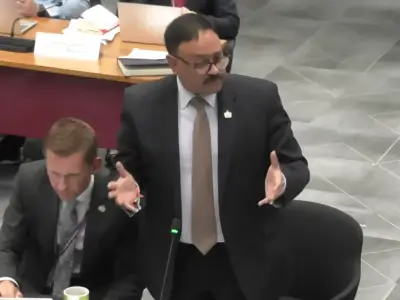
On 13 March, HMRC permanent secretary John-Paul Marks revealed to the Treasury committee that the final "success rate" of identifying ineligible claims was 40%. He indicated that HMRC would maintain a low volume of case openings until May to ensure the process functions properly before escalating the fraud crackdown using Home Office data. Marks stated, "We intend to keep case opening volumes low until May to reassure ourselves that the process is working well before increasing volumes." The committee initiated its investigation following a joint probe by the Detail and the Guardian. In January, Marks reported that at least 71% of claims were suspended incorrectly, but he has since revised this figure to 59%, noting in writing, "Through our assurance work, we discovered that we had underestimated the effectiveness of our compliance activity." Unlike other departments, HMRC does not provide a breakdown of fraud versus error in claims.

Northern Ireland Data Revisions and Scheme Pause
Marks also updated the number of errors in Northern Ireland, where the issue first emerged as holidaymakers traveled via Dublin airport, where the Home Office lacks data access. The corrected figure is around 800 affected customers, up from a previously reported 346. While HMRC claims the scheme was not formally paused, it was effectively halted after the original initiative backfired. Dan Tomlinson MP highlighted in written parliamentary questions that no new cases were opened between at least 31 October and 31 December, following media exposure of the high number of UK residents who had benefits stopped.
Improvements and Ongoing Concerns
HMRC admitted that one contributing factor was the failure to cross-check targets with its own PAYE records. The agency has since committed to checking PAYE records before contacting individuals and will not suspend child benefit until claimants have an opportunity to verify their details. However, concerns persist regarding the use of incomplete Home Office data. For instance, PAYE checks do not cover self-employed individuals, those on benefits, or people who make bookings they do not keep, who may be erroneously recorded as not returning by the Home Office.
Internal Documents and Political Criticism
Internal documents obtained by the Detail news site show that officials considered the data-sharing scheme a success, even as thousands of payments were wrongly suspended and most claimants were later found eligible. The document read, "The exchange of data between HMRC and the Home Office continues to work as expected and agreed, and we still expect that the inquiry process will find about 64% of cases ineligible [for child benefit]." In October 2025, advice group representatives contacted HMRC after journalists inquired about suspensions based on flight records. Parents reported feeling frightened and stressed upon receiving letters demanding answers to 73 questions involving medical records, school reports, and bank statements.

Calls for Caution and Further Investigation
Conservative MP Andrew Snowden, who has been advocating for more government transparency, expressed surprise at the resumption of the crackdown while numerous questions remain unanswered. He said, "The first iteration of this scheme had disastrous consequences for many families and the government have still not come clean on what went wrong, and most importantly, what lessons were learned to ensure the same failings don't happen again." Snowden urged the government to reconsider until the National Audit Office investigation is complete. HMRC has confirmed to advice groups that they have instructed customer services to adopt a "change in tone."