The MrBeastification of British Politics: Farage's Energy Stunt
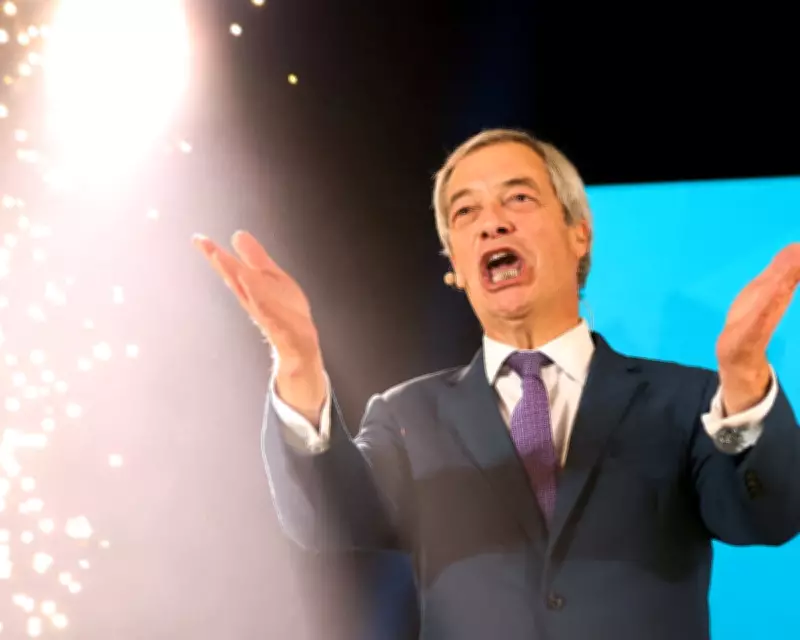
Nigel Farage's latest political maneuver, the "Nigel cut my bills" competition, represents a troubling shift toward sensationalist tactics in British politics. The Reform UK leader's energy bill giveaway, where participants can win Farage paying their neighborhood's energy bills for a year, mirrors the viral stunts of YouTube personality MrBeast. While this grabs attention with high-energy music, drone footage, and emotional moments, it dangerously distracts from the substantive issues at play.
How the Stunt Works and Its Appeal
The competition requires entrants to provide personal data, including voting history, name, phone number, and email. In return, they might see Farage knocking on doors to deliver cash prizes, much like MrBeast's videos where he hands out large sums to unsuspecting individuals. Reform UK understands that online politics thrives on emotion, using anger over issues like small boats and excitement over potential windfalls to capture voter support. The randomness and scale of the giveaway make it compelling, suggesting Farage as a figure who puts money directly into people's pockets.
On its website, Reform UK outlines policies to reduce energy costs, such as scrapping VAT (saving £85), cutting green levies (£100), and eliminating carbon taxes (£15). This framing positions the party as a savior for households struggling with bills. However, this presentation is misleading, as it ignores the root causes of high energy prices.

The Reality Behind High Energy Bills
Energy bills are not primarily high due to VAT, green levies, or carbon taxes. The core issue is that energy pricing is tied to gas, our reserve energy source. This fossil-fuel reliance subjects consumers to volatile markets, where prices fluctuate based on global supply and demand. Farage's obsession with drilling in the North Sea would perpetuate this dependency, locking the UK into unstable energy markets rather than transitioning to more stable, renewable sources.
In the long term, this means households like "Carol's" will continue to lose out, as fossil fuel prices remain unpredictable. The stunt, while flashy, fails to address the systemic problems that drive up costs, instead offering tokenistic solutions that don't grapple with reality.
Broader Implications and Historical Context
This isn't the first time Reform UK has proposed superficial policies. In its 2024 campaign, the party suggested charging non-doms £250,000 for a 10-year residence permit, with the funds going to low-paid workers. While presented as a benefit for ordinary people, the real winners would be wealthy individuals avoiding higher taxes, as the sum is negligible compared to what they'd owe public services.
The comparison to MrBeast is apt: his videos often end with uncomfortable moments when deeper issues, like homelessness, are revealed, highlighting how big gestures can mask complex realities. Similarly, Farage's energy stunt uses razzle-dazzle to obscure the need for radical solutions to the energy-price crisis, such as investing in renewables and reducing gas dependency.
If mainstream parties like Labour don't offer substantive alternatives, such stunts may gain traction, but they ultimately divert attention from the urgent need for energy market reform. The MrBeastification of politics risks reducing critical issues to mere entertainment, undermining informed debate and long-term planning.