The Australian government's 2026 federal budget has introduced significant changes to the taxation of trusts, sparking debate and confusion among taxpayers and political opponents. Labor has clarified that these measures are not a 'death tax,' as some critics have claimed, but rather targeted anti-avoidance rules designed to close loopholes used by high-income earners.
What Are the Changes?
The budget proposes new rules that will affect how trusts are taxed, particularly in relation to distributions to beneficiaries. Currently, trusts can distribute income to beneficiaries who may be taxed at lower marginal rates. The new measures aim to prevent this practice, often referred to as 'income splitting,' by ensuring that trust income is taxed at the trustee's top marginal rate if it is not distributed within a certain timeframe or if distributions are made to low-income beneficiaries who are not genuinely entitled.
Key Provisions
- Clamping down on streaming: Trusts will no longer be able to stream different types of income to different beneficiaries to minimize tax.
- Beneficiary attribution: Trustees must attribute income to beneficiaries based on their actual entitlement, not just on paper.
- Taxation of undistributed income: If income is not distributed within 60 days of year-end, it will be taxed at the top marginal rate plus the Medicare levy.
Is This a Death Tax?
No, the government has emphatically denied that these changes constitute a death tax. A death tax typically refers to an inheritance tax or estate tax levied on the transfer of assets upon death. The trust changes are about income tax avoidance during a person's lifetime. However, some commentators have argued that because trusts are often used to manage family wealth across generations, these rules could indirectly affect estate planning.

What Critics Say
Opposition parties and some business groups have labeled the changes a 'death tax by stealth,' arguing that they will penalize family farms and small businesses that use trusts for legitimate succession planning. They claim the rules are complex and could lead to unintended consequences, such as forcing families to sell assets to pay tax.
Government Response
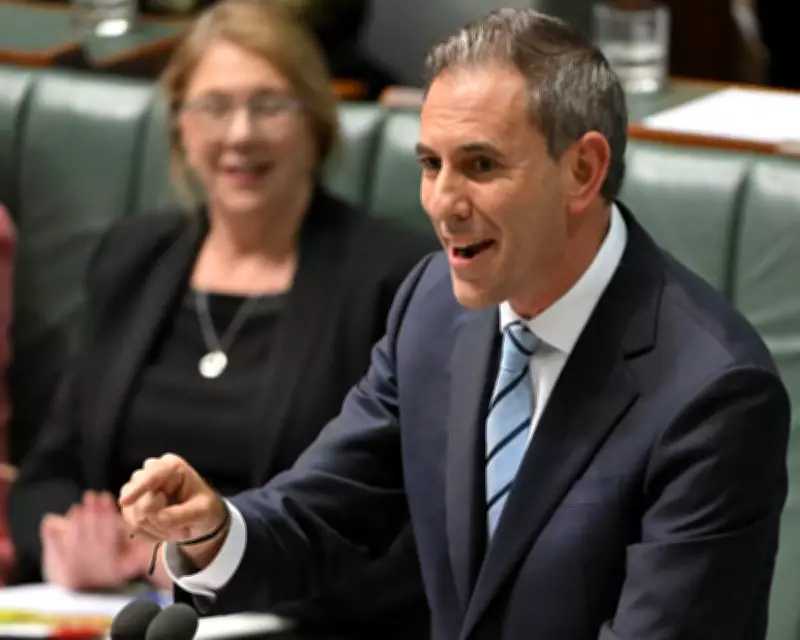
Treasurer Jim Chalmers has rejected these claims, stating that the measures are fair and necessary to ensure the tax system is equitable. 'This is about closing loopholes that allow the wealthiest Australians to pay less tax than they should,' he said. The government has also announced transitional arrangements and exemptions for small businesses and primary producers.
Impact on Taxpayers
The changes will primarily affect high-income earners and those using trusts for tax avoidance. For most Australians, the rules will have little direct impact. However, anyone who is a beneficiary of a trust should review their arrangements. The government estimates the measures will raise $1.5 billion over four years.
Next Steps
The legislation is expected to be introduced in parliament later this year. Tax experts advise seeking professional advice to understand how the changes may affect individual circumstances. The government has promised consultation with stakeholders before finalizing the rules.