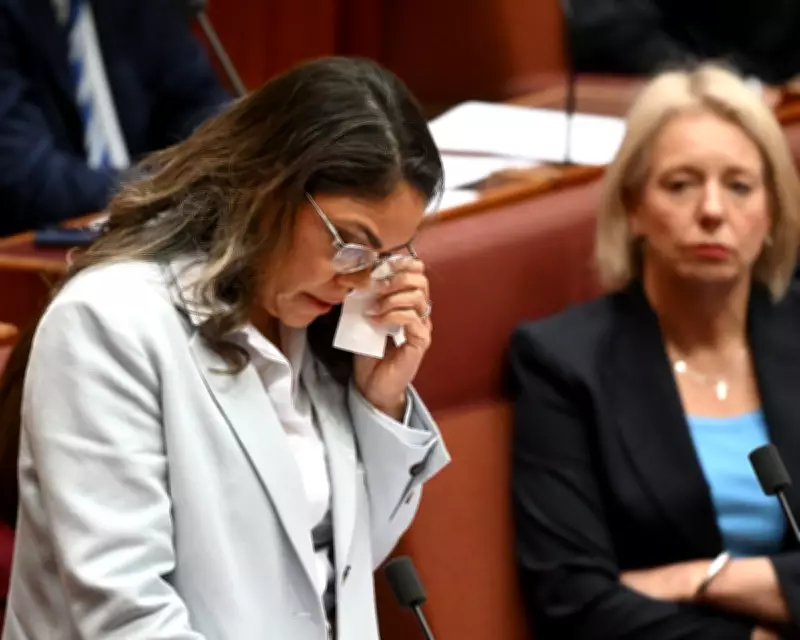
Northern Territory politicians have come under fire for their remarks following the death of Kumanjayi Little, a four-month-old Aboriginal baby who died in Alice Springs. The comments, made during a parliamentary debate, have been widely condemned as insensitive and racist.
Politicians' Remarks Spark Outrage
During a session in the NT Legislative Assembly, several politicians made remarks about Kumanjayi's death that critics say trivialized the tragedy and blamed the baby's mother. The mother, who was herself a victim of domestic violence, had sought help but was turned away from a women's shelter due to lack of space.
One politician reportedly suggested that the mother's lifestyle choices contributed to the baby's death, while another questioned the level of support provided to Indigenous families. These comments have been met with widespread condemnation from Indigenous leaders, health experts, and community advocates.
Calls for Accountability
Indigenous organizations have called for an apology and for the politicians involved to step down. The incident has reignited debates about systemic racism and the treatment of Indigenous Australians within the political system.
Kumanjayi's death is currently under investigation by the coroner. Preliminary reports indicate that the baby died from a combination of malnutrition and neglect, highlighting broader issues of poverty and inadequate healthcare in remote Indigenous communities.
Broader Context of Indigenous Health
The tragedy has drawn attention to the ongoing crisis in Indigenous health outcomes in the Northern Territory. Infant mortality rates among Aboriginal babies are significantly higher than the national average, and access to essential services remains limited in remote areas.
Community leaders are urging politicians to focus on solutions rather than blame. “We need more investment in housing, healthcare, and support services for families, not victim-blaming,” said a spokesperson for the Central Australian Aboriginal Congress.
The NT government has pledged to review its policies on domestic violence and child protection, but many argue that more immediate action is needed to prevent further tragedies.