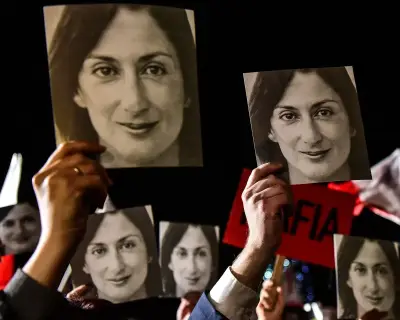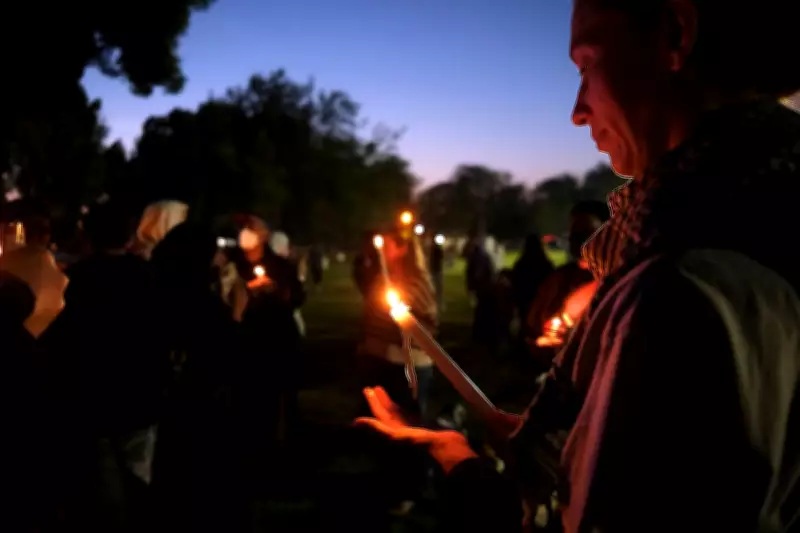
A vigil was held on Tuesday for the victims of the San Diego shooting, where three men were killed at a mosque. This attack highlights a disturbing trend of hate-motivated shooters copying acts of violence from one another, aiming to incite a race war and societal collapse.
The Attack and Victims
The two shooters, aged 17 and 18, killed Amin Abdullah (51), a security guard; Mansour Kaziha (78), a mosque elder; and Nadir Awad (57), who lived across the street. The shooters later died from self-inflicted gunshot wounds.
Online Radicalization
The pair was deeply entrenched in online extremist networks and idolized previous shooters. In a 75-page manifesto, they expressed hatred for Muslims, Jews, Black people, the LGBTQ+ community, women, and both US political parties. They livestreamed the attack and wrote on their firearms in white marker—common tactics among online-radicalized shooters.

Matthew Kriner, executive director of the Institute for Countering Digital Extremism, noted that the shooters jointly radicalized in digital spaces before committing violence. Vice-President JD Vance called the shooting “reprehensible” and emphasized that religious violence is anti-Christian and anti-American.
Political and Extremist Context
The White House's counter-terrorism strategy identifies threats from narcoterrorists, transnational gangs, Islamist terrorists, and left-wing extremists, but does not mention white supremacist violence or youth radicalization online. Experts note a rise in nihilistic violent extremism (NVE), which seeks to cause societal collapse through chaos. The FBI is investigating over 350 individuals linked to NVE networks.
Copycat Pattern
The San Diego shooters referenced the 2019 Christchurch mosque shooter. This pattern is seen in other attacks: the Virginia Tech shooter was inspired by Columbine; the Munich mall shooter had a book about them; the Buffalo grocery store shooter admired Christchurch and other shooters; and the Minneapolis school shooter expressed admiration for the Nashville shooter.
Kriner explained that these extremists are not bound by traditional political binaries but adopt a mashup of fascist ideals and a belief that extreme violence is necessary. This makes it difficult to pinpoint a single motivating factor.