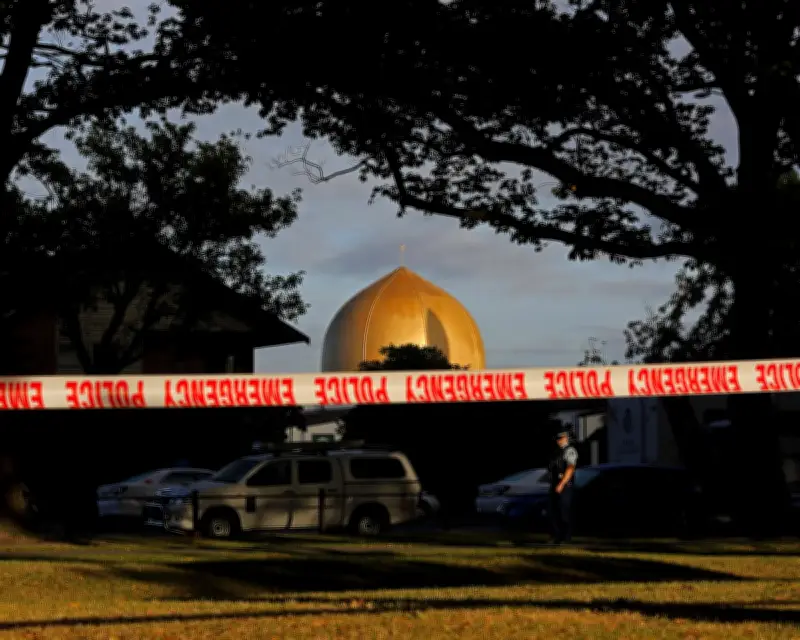
A new book by New Zealand researchers claims to have uncovered previously unknown online comments by the Christchurch shooter, revealing his growing militancy and excitement as far-right groups gained prominence. The book, He Told Us by Dr. Chris Wilson and Michal Dziwulski, suggests that the attacker was a regular commenter on the notorious message board 4chan, telegraphing his racist views and affinity for violence long before the 2019 massacre that killed 51 people at two mosques.
Uncovering the Online Trail
The researchers matched the terrorist's linguistic quirks with geographic indicators on 4chan based on IP addresses that align with his known travels. They believe they have found a trove of online activity that investigators never uncovered. In anonymous posts on 4chan's "political incorrect" board, they identified comments claiming to be from "an Aussie tourist in kyrgz" during the gunman's travels in Kyrgyzstan, and others stating he was "from grafton NSW," his hometown.
Growing Militancy
Wilson and Dziwulski argue that these comments show the attacker was "desperate, narcissistic and attracted to violence." His online participation should be regarded as a kind of membership, with a learning process, influence from leaders, and a sense of belonging. The comments further undermine the story the terrorist told about his past, including his relationship with the Aboriginal community in Grafton.

Some of the most disturbing comments traced back to him followed the 2015 attack by US Nazi Dylann Roof, who murdered nine people at a Black church in South Carolina. The attacker appears to have written up to 30 responses in support of the church attack, arguing that the violence was aimed at starting a race war.
Creating a Script for Others
After the Christchurch attack, the terrorist's propaganda flows freely and acts as a "curriculum" for others. He has become a "saint" in far-right accelerationist spaces, with his manifesto and livestream serving as a script that others follow. Attacks from Buffalo, New York to Bratislava, Slovakia have been linked to his influence.
The researchers say they have had little response from New Zealand officials to their findings. The New Zealand Security Intelligence Service director general acknowledged the agency's transformation since the attack but noted the research benefits from hindsight.
Wilson and Dziwulski argue that their findings should prompt a reassessment of the terrorist and his path to violence, aiming to deflate the glorification built up around him.