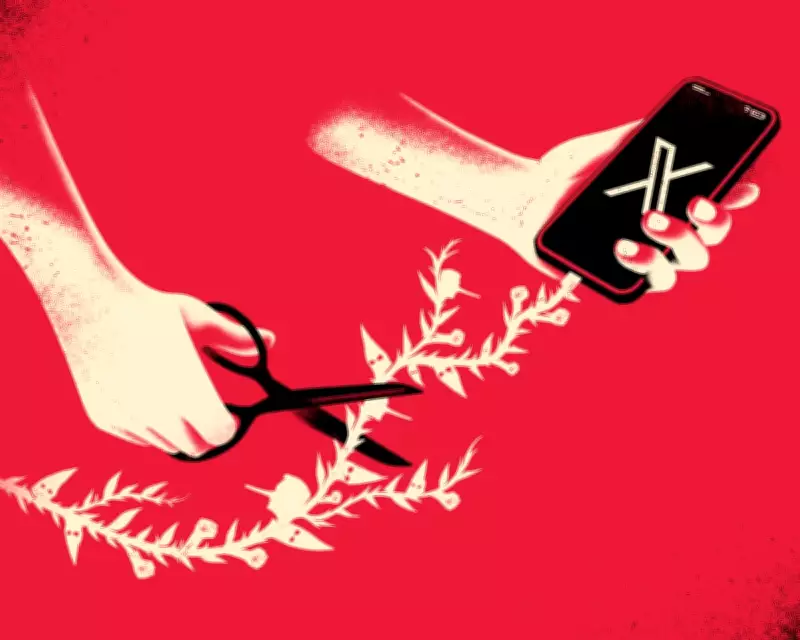
If you are still on Elon Musk's X, ask yourself this: why? Jonathan Liew argues that quitting the platform formerly known as Twitter is not ceding space to malign actors but escaping an open sewer beyond redemption.
The Problem with X's Content
You can read a Tottenham striker Richarlison launching a defiant broadside at newly crowned champions. You can read outgoing Manchester City manager Pep Guardiola throwing shade at Arsenal counterpart Mikel Arteta. You can see Liverpool full-back Andy Robertson warning his coach Arne Slot that things must change. You can see Gary Neville deriding Bruno Fernandes as a stat-padding talisman. Incendiary stuff, and huge if true. Also huge if not true. On a regular Monday, these football-related tweets went viral despite being entirely fabricated. When the whole point is to argue over things, does it matter if they are real?
Since deleting my account in 2024, I rarely visit Musk's free-speech Disneyland. Perhaps my sample was unrepresentative, but for work reasons I occasionally wade back in and leave more appalled. Fake content is out of control. The interface pushes unwanted content. Watching a video leads to wormholes of street brawls and arguments.

How the Algorithm Fuels Division
The algorithm assesses posts by 15 metrics. If your reply prompts a response, a bot marks it as a debate and promotes it. Because people respond more to objectionable content, the most controversial material gets amplified: trans rights, Israel, Restore Britain, VAR. This stymies meaningful discourse, amplifies falsehoods, and shifts users rightward. A February study randomly assigned 5,000 active users to algorithmic or chronological feeds. Those on the algorithmic feed were more likely to prioritize Republican policy issues and take pro-Russia stances.
Why Progressives Stay
The enduring curiosity is why self-professed progressives remain on a platform that misrepresents and suppresses their creativity. Many are voices I admire. The Guardian stopped posting in 2024, but many of you still lurk. Why? Sunk-cost fallacy plays a role: nostalgia for what Twitter once was. Users spent over a decade building followings and trust. My account had 120,000 followers at deletion. There was mourning for years of work: jokes, memes, illuminating conversations, fleeting art before bad-faith actors used quote tweets to strip context for money.
Another trope is that retreating from X means cocooning yourself and ceding space to the malign. Perhaps truer a decade ago, but being leftwing on X in 2026 means existing in a different bubble: an echo chamber where you ingest racist garbage as the price of admission. Progressives are second-class citizens, urged to kill yourself, deport foreigners, argue about Trump with alphanumeric codes. Occasionally you get a funny fight video. Is it worth it?
The Path Forward
Remedies are obvious. Alternative platforms like Bluesky, TikTok, and Threads will not save us. The digital town square is dead. The only disinfectant for lies and white supremacism is a balanced media diet and real-life engagement. The only antidote to X-brain is X-shaming: admitting that progressive presence props up the enterprise, offering an illusion of balance that allows mainstream media to mine it as a proxy for public opinion.
We should stigmatize X usage for what it is: a small, selfish part in making the world worse. You are not special. You are not immune to fake news or delusion. Every minute in hot water boils you a little more. Only by conscientiously refusing the algorithm can we start to fix how it has broken us.