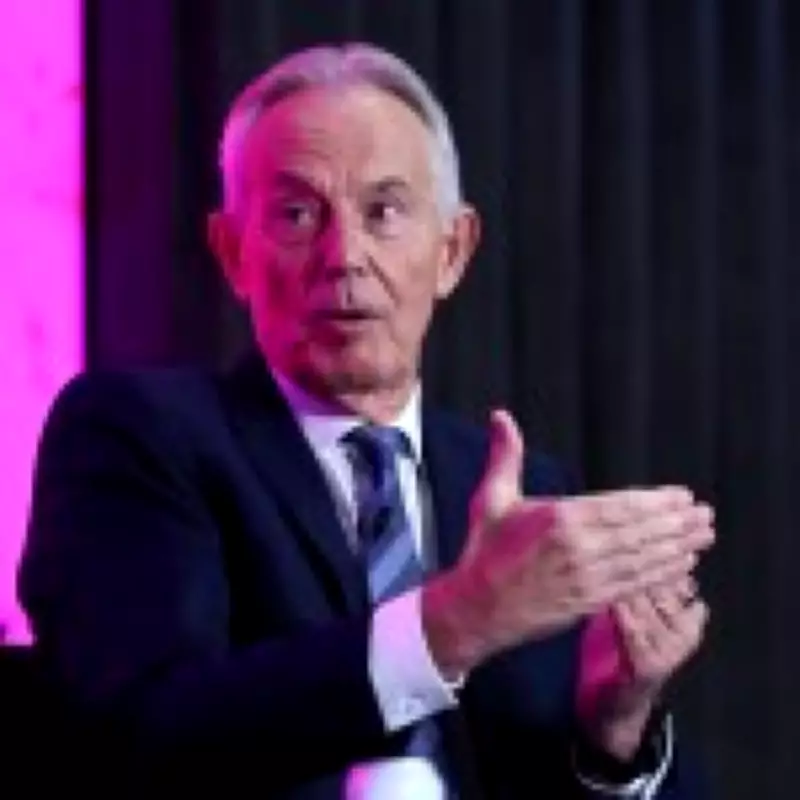
Tony Blair's unexpected intervention in Labour politics has been welcomed as a catalyst for debate, but not by the party's leadership contenders. With the Makerfield by-election and a potential leadership contest weeks away, Labour figures are pleading for unity. Some want Andy Burnham to push a left-wing agenda, others prefer Wes Streeting's centrist ideas, and many simply want Sir Keir Starmer to continue. However, Blair's late Tuesday evening essay of 5,700 words argues that none of these candidates offer what is needed.
Blair's Argument and Reception
Blair contends that Labour does not sufficiently discuss its direction or philosophy. He aims to stir debate, which is positive, but he may not be the ideal messenger. He writes with confidence that he could win the next election, though that belief is not widely shared. The timing is awkward: his call to scrap net zero targets came as May temperature records were broken and energy prices rose due to the Iran War.
Radical Centrism Under Scrutiny
Blair's 'Radical Centrism' plan appears less radical than he claims. He advocates for embracing AI, planning deregulation (already underway), ending net zero, increasing private NHS provision, slashing welfare, and tough measures on small boats—points that echo Reform UK policies. The intervention dominated news at an inopportune time for Labour.

Potential Long-Term Benefits
Despite the immediate backlash, Labour may benefit from the call for detailed proposals. Burnham, who wrote a 2024 book called Head North, promised a considered response. Streeting and Starmer might follow suit, moving beyond tweets and short interviews toward detailed manifestos. Blair's flare for firm proposals could enrich the political discourse.
For more stories like this, check our news page.