The Northern Territory government is pushing forward with sweeping reforms to its child protection system, including the removal of protections designed to prevent a repeat of the Stolen Generations. The draft legislation, released alongside a major review into the territory's child protection system, has been met with fierce criticism from a coalition of 330 First Nations and justice organizations, who label the government's narrative as "dangerous, ignorant, and wrong."
Background of the Reforms
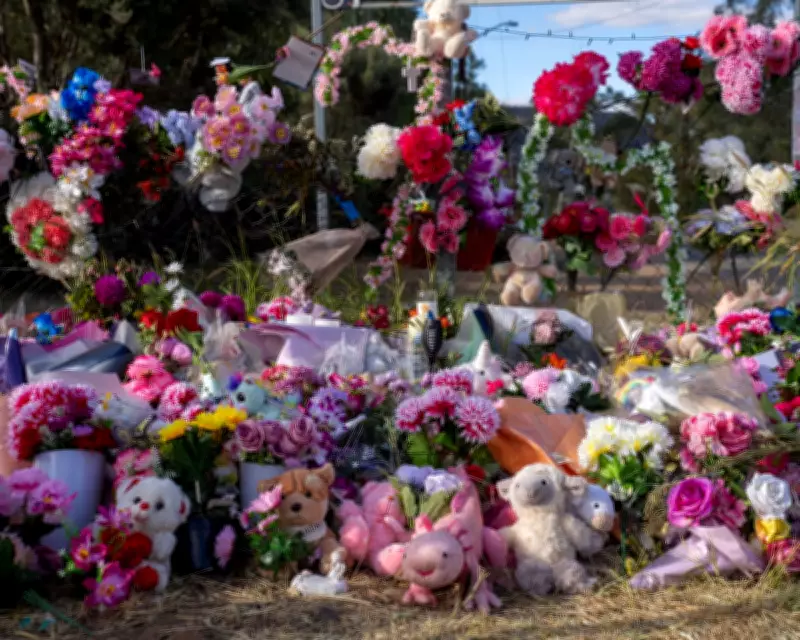
The reforms come in the wake of the high-profile death of five-year-old Kumanjayi Little Baby in Alice Springs, a Warlpiri child whose alleged killing has sparked nationwide mourning and calls for a review of conditions in town camps, the child protection system, and custodial systems. Despite the child's mother repeatedly asking that her daughter's death not be used for political reasons, the NT government has used the incident to justify changes to the Care and Protection of Children Act.
NT Minister for Child Protection Robyn Cahill announced that former New South Wales police commissioner Karen Webb will lead the review alongside NT public servant Greg Shanahan. A 47-year-old man, unrelated to the child or her care, has been charged with murder and two other offenses but has not yet faced court or entered a plea.
Key Changes to the Legislation
The amendments erode the Aboriginal child placement principle, a national framework enshrined in legislation since the 1980s in response to the forced removal of Indigenous children during the Stolen Generations. This principle will be replaced with a new universal principle. The draft legislation removes sections stating that an Aboriginal child "has the right to be brought up within [their] own family and community and on the child's own country" and eliminates direct reference to the Aboriginal child placement principle.
Instead, the new legislation states that a child's family has primary responsibility for their care, but that "a child must be removed from the child's family if there is a significant and likely risk of harm to the child." It adds that, as far as practicable and consistent with the child's best interests, children should be placed "in close proximity" to their family and community and supported to maintain connections to their culture, traditions, language, and country.
Criticism from Advocates
Aboriginal Peak Organisations Northern Territory (APO NT) and SNAICC, the peak body for First Nations children, along with 330 other organizations, oppose the changes. They argue that lowering the threshold for removing children and fast-tracking long-term placements will "deepen an already devastating crisis, with consequences for generations of Aboriginal Territorians." They also claim that abolishing the Aboriginal child placement principle is a "race-based attempt to blame Aboriginal families for conditions created by government failure."
APO NT chief executive Theresa Roe stated, "We strongly reject the NT Government's deliberate portrayal of Aboriginal families, communities, and culture as a risk to children's safety." The organizations warn that the reforms will make it easier to remove Aboriginal children, harder to place them in kinship care, and more difficult to reunite them with family or return them to Country.
Government's Justification
Cahill defended the amendments, saying they are designed to protect children from ongoing harm, minimize the number of placements vulnerable children experience, and provide stability and permanency. She emphasized, "The ongoing cycle of harm, risk and uncertainty needs to be addressed, and the only way to achieve that is to put the basic human rights of a child's safety before anything else." She added that Family Responsibility Agreements will be strengthened to encourage parental accountability.
However, First Nations children's advocates and legal services have denounced the review, urging the Country Liberal Party government to broaden its scope to include other departments affecting Indigenous child safety, such as housing, health, and corrections. Federal Minister for Indigenous Australians Malarndirri McCarthy criticized Cahill's comments, stating that they imply Aboriginal families do not know how to care for their own children, which she called incorrect.