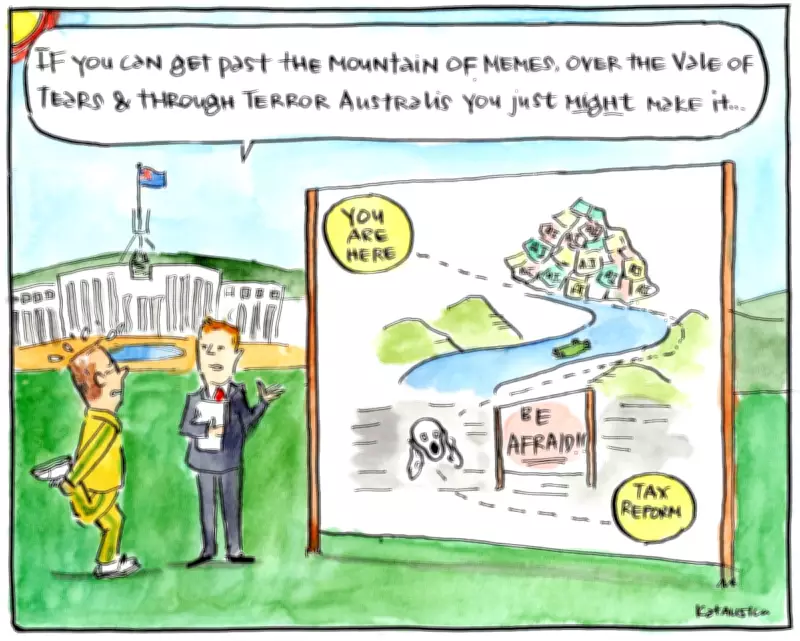
Australia's Prime Minister Anthony Albanese is walking a tightrope as he attempts to push through significant political reforms. The path to reform is fraught with obstacles, including internal party dissent, a volatile political landscape, and the ever-present challenge of public opinion.
Internal Party Dynamics
Albanese must manage the diverse factions within his own party. The Labor Party is a broad church, with left-wing and right-wing factions often at odds. Balancing these interests while advancing a reform agenda requires deft political skill. Any misstep could alienate key supporters and derail his legislative agenda.
Challenges from the Opposition
The opposition, led by Peter Dutton, is keen to exploit any weakness. The Liberal-National Coalition is united in its opposition to many of Albanese's proposals, framing them as overreach or mismanagement. The government faces a constant battle to communicate the benefits of reform to a skeptical public.

Public Opinion and Media Scrutiny
Public opinion is another critical factor. Australians are increasingly disillusioned with politics, and any reform must be seen as fair and necessary. The media, particularly outlets like News Corp, are quick to highlight any perceived failures. Albanese must navigate this hostile media environment to build support for his policies.
Key Reform Areas
- Climate Action: Albanese has committed to ambitious emissions reduction targets, but balancing economic growth with environmental goals is a challenge.
- Housing Affordability: Rising property prices and rental stress require innovative solutions, but any intervention risks backlash from homeowners and investors.
- Indigenous Recognition: The Voice to Parliament referendum is a historic opportunity, but achieving consensus is proving difficult.
Albanese's ability to navigate these perilous roads will define his legacy. The coming months will test his leadership and the resilience of his government.