World Aquatics Reinstates Russian National Symbols, Prompting International Controversy
In a move that has ignited fierce debate across the global sports community, World Aquatics has announced it will allow Russian and Belarusian athletes to compete under their own national flag and anthem without restrictions for the first time since 2022. This decision marks a significant shift in policy following the invasion of Ukraine and has drawn sharp criticism from Ukrainian athletes who argue it facilitates Russian propaganda.
Ukrainian Athletes Voice Disbelief and Anger
The announcement was met with immediate outrage from Ukrainian sports figures. Vladyslav Heraskevych, a skeleton athlete previously disqualified for wearing a commemorative helmet during Winter Olympics training, labeled the decision "unacceptable and disgraceful." In an interview, Heraskevych emphasized the stark contrast between the peaceful competition venues and the ongoing violence in Ukraine.
"World Aquatics claims it can keep the conflict away from pools and competition venues," Heraskevych stated. "But this does not apply to Ukrainian sports facilities and pools, which are constantly being struck by Russian missiles. It does not apply to Ukrainian athletes, who are also dying in the war unleashed by Russia."

He specifically cited Russian swimmer Evgeny Rylov, who participated in a pro-war rally in 2022 wearing a propagandistic 'Z' symbol, as an example of athletes supporting the conflict. Heraskevych accused World Aquatics of ignoring these realities and providing a platform for propaganda that harms Ukrainians.
World Aquatics Defends Decision Amid Growing Momentum
World Aquatics, which oversees swimming, diving, and water polo, defended its policy change. President Husain al-Musallam stated in a release that the organization is determined to ensure pools and open water remain places for peaceful competition among athletes from all nations. This move aligns with a broader trend in international sports, following similar decisions by organizations like judo, and adds pressure for Russia's inclusion in the 2028 Los Angeles Olympic Games.
Since the 2022 invasion, Russian and Belarusian athletes have competed under neutral status, subject to vetting. The reinstatement of national symbols has been welcomed in Russia, with Dmitry Mazepin, head of the Russian Aquatics Federation, noting that athletes will no longer face the "insult" of competing as neutrals without their anthem. He also highlighted that Russia can now host world and European events again.
Broader Implications and Ongoing Boycotts
The decision coincides with heightened tensions in aquatic sports. On the same day, Ukraine's water polo team boycotted a World Cup match against a Russian team competing as neutral athletes—the first international team-sport event involving Russia since the war began. This boycott underscores the deep divisions within the sporting world.
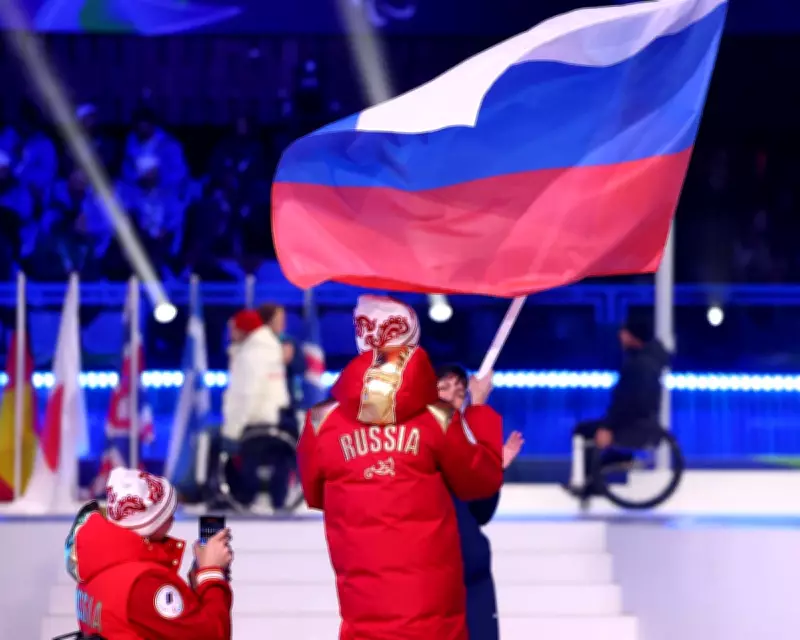
Attention now turns to the International Olympic Committee (IOC), which recommended in December removing restrictions on Russian and Belarusian athletes for youth events and allowing national flags. While the IOC required neutral status at the Winter Olympics, the International Paralympic Committee permitted Russian symbols at its Games in March, highlighting inconsistent approaches across sports bodies.
As the debate intensifies, the reinstatement of Russian flags in aquatics raises critical questions about the role of sports in geopolitics and the balance between inclusion and ethical responsibility in international competitions.