Female Mayors Lead Urban Transformation with Inclusive Public Space Initiatives
In cities across the globe, female mayors are spearheading remarkable changes in urban environments, focusing on reclaiming public spaces for pedestrians, cyclists, and communities. From Barcelona to Paris and Montreal, these leaders are implementing policies that prioritize inclusivity, safety, and sustainability over car-centric designs.
Reclaiming Pedestrian Zones and Enhancing Mobility
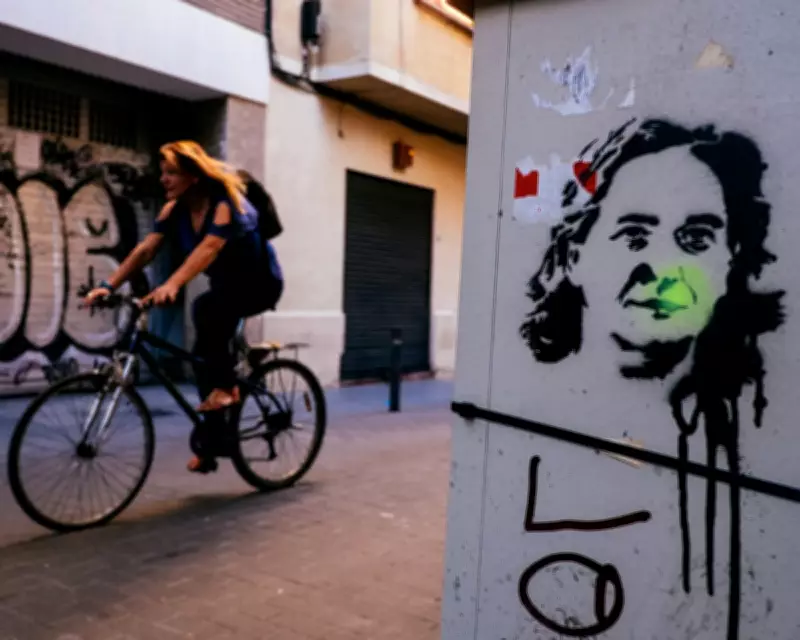
During Ada Colau's tenure as mayor of Barcelona, her administration successfully reclaimed over a million square metres of pedestrian space. This was achieved through innovative solutions like the superblock model, which transformed asphalt-dominated areas into vibrant neighbourhood plazas using paint, planters, and strong political commitment. Over eight years, the city tripled its cycle lane network to 273 kilometres, ensuring that 90% of residents live within 300 metres of a cycling route. The results have been significant, with officials reporting an 80-hectare increase in green space, a 50% reduction in car traffic, and a 20% drop in air pollution between 2019 and 2023.
Ambitious Car-Free Schemes and Cycling Networks
In Montreal, former mayor Valérie Plante launched the most ambitious car-free initiative in the Americas, investing C$12 million to pedestrianise more than 9 kilometres along 11 commercial arteries each summer. This move opened streets in front of 2,100 local businesses, boosting their economic performance. Plante also championed the Réseau express vélo, a planned network of 191 kilometres of protected cycling lanes maintained year-round. Additionally, her sponge streets programme introduced permeable surfaces to combat flooding by replacing grey asphalt with green infrastructure.

Transforming Car-Choked Streets into Green Havens
Paris, under the leadership of former mayor Anne Hidalgo, underwent a dramatic transformation from a car-choked metropolis to a city with enhanced cycling and pedestrian infrastructure. Despite facing criticism, Hidalgo secured public support for projects that included 1,000 kilometres of cycling routes, 350 of which are protected from traffic, and a €250 million investment in network expansion. The city is also advancing plans for 300 school streets, removing 70,000 car parking spaces, and planting 145,000 trees alongside 45 kilometres of parks to re-green urban areas.
The Impact of Gender Diversity in Urban Leadership
These success stories highlight how female mayors often bring unique perspectives to urban planning, shaped by experiences as caregivers and marginalized voices in traditional processes. They practice empathy, present long-term visions, and build broad coalitions to drive change. However, gender balance in leadership remains a challenge, with only 25 of the world's 300 largest cities having female mayors, and women holding just 5% of municipal leadership roles and 10% of top positions in architecture and planning firms.
As urbanization accelerates, with the UN projecting that 68% of the global population will live in cities by mid-century, the need for inclusive policies becomes more urgent. Cities designed for private vehicles often neglect vulnerable groups like children, women, older adults, and people with disabilities. In contrast, cities like Delft in the Netherlands demonstrate that balanced space allocation for walking, cycling, and public transport can create vibrant, safe, and connected communities.
Ultimately, cities with diverse leadership are more likely to develop public spaces and mobility infrastructure that benefit everyone, proving that when women take charge, urban environments thrive for all residents.