
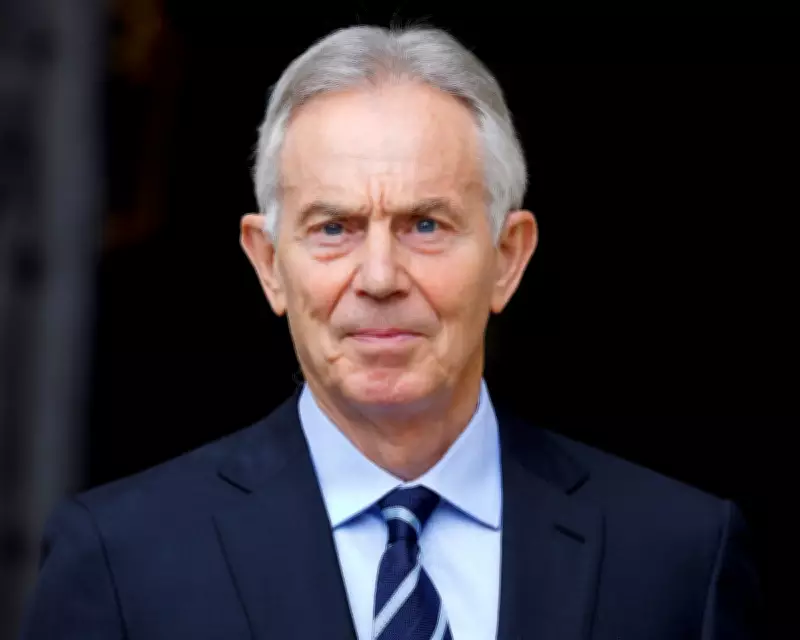
The Tony Blair Institute (TBI) has urged the Labour government to scrap the pensions triple lock, citing mounting pressure on public finances and an ageing population. The thinktank, founded by former Prime Minister Tony Blair, argues that the current system is "unaffordable" and needs a full overhaul.
Triple Lock Under Fire
The triple lock guarantees that the basic and new state pensions increase each April by the highest of inflation, average wage growth, or 2.5%. Introduced in 2010 by then-Chancellor George Osborne, the policy has added billions to annual government spending, particularly after inflation spikes from the Covid pandemic and Russia's invasion of Ukraine.
The TBI warns that ongoing conflicts, such as the Iran war, threaten to derail public spending plans. It suggests a pre-election pact between major political parties to end the triple lock after the next general election.
Growing Costs and Demographic Pressures
According to the thinktank, Britain's ageing population will drive up pension costs significantly. The number of pensioners is expected to rise from 12.6 million today to almost 19 million by 2070. Under current policies, state pension spending would increase from 5% of GDP to 7.8%, an extra £85 billion annually in today's money. This would necessitate higher taxes or cuts to other public services.
The TBI argues that the state pension system was "built for a different era" and requires comprehensive reform. It proposes replacing the current system with a new "lifespan fund" that would provide up to 20 years of support. Individuals could access part of their entitlement before retirement for unemployment, retraining, or caring responsibilities, with safeguards. Access would be personalized rather than tied to a single state pension age.
Government Response
Chancellor Rachel Reeves has stated she will not drop the triple lock, reaffirming the manifesto commitment. However, she acknowledged that "difficult choices" are needed to fund energy support and increased defence spending amid rising inflation from the Middle East conflict.
A Department for Work and Pensions spokesperson emphasized the government's commitment to the triple lock for this parliament, noting that pensioners could see annual increases of up to £2,100. The spokesperson also highlighted the Pensions Commission's work on ensuring secure retirements and the availability of Universal Credit and other benefits for those needing extra support.
Thomas Smith, TBI's director of economic policy, called for political leadership to end the triple lock after the next election and to build a fairer, more flexible system designed for modern life.




