
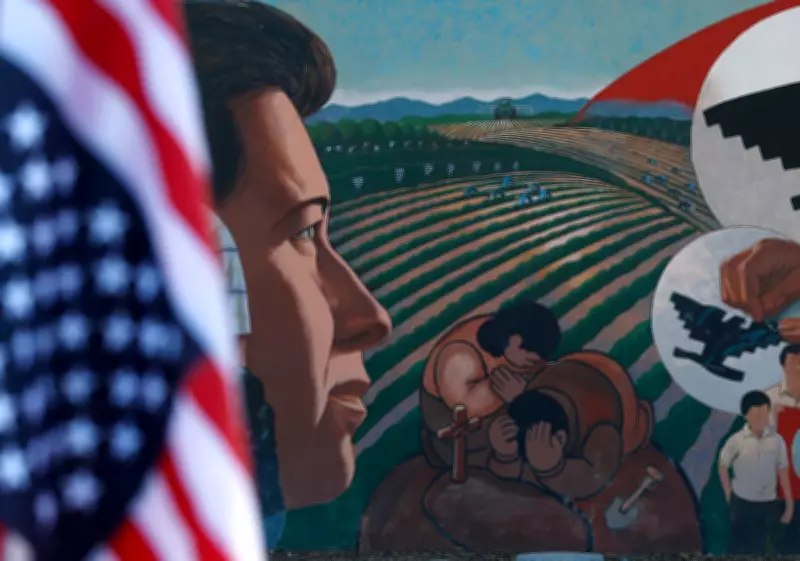
Cesar Chavez Sexual Assault Allegations Emerge, Shaking Farmworker Movement Legacy
In a development that has sent shockwaves through the labor and social justice communities, new allegations of sexual assault have surfaced against Cesar Chavez, the revered founder of the United Farm Workers (UFW) and a towering figure in American civil rights history. These claims, reported by multiple sources, threaten to fundamentally alter the public perception of Chavez's legacy, which has long been celebrated for its commitment to nonviolence, workers' rights, and grassroots organizing.
Details of the Allegations and Their Impact
The allegations involve incidents said to have occurred during the height of the farmworker movement in the 1960s and 1970s, a period when Chavez led historic strikes and boycotts that improved conditions for agricultural laborers across the United States. According to reports, several individuals have come forward with accounts of inappropriate behavior and assault, describing a pattern that contradicts Chavez's public image as a moral leader. The UFW, which Chavez co-founded with Dolores Huerta, has not yet issued an official statement, but internal discussions are reportedly underway to address these serious charges.
This news comes at a time when the farmworker movement continues to face modern challenges, including ongoing struggles for fair wages, safe working conditions, and immigration rights. The allegations against Chavez could potentially undermine the movement's historical narrative, which has often centered on his personal sacrifices and ethical leadership. Scholars and activists are now grappling with how to reconcile these new claims with Chavez's documented achievements, such as the successful grape boycotts that brought national attention to farmworker plight.
Broader Implications for Labor History and Social Justice
The fallout from these allegations extends beyond the farmworker community, touching on broader issues in labor history and social justice movements. Similar controversies have recently affected other iconic figures, leading to a re-examination of how societies memorialize leaders with complex personal histories. In this case, the allegations against Chavez raise difficult questions about accountability, power dynamics within social movements, and the separation of personal conduct from public legacy.
Furthermore, the timing of these revelations is particularly sensitive, as the farmworker movement remains active in advocating for policy changes and worker protections. Supporters of the movement worry that the focus on Chavez's alleged misconduct could distract from current issues, such as pesticide exposure, wage theft, and the rights of undocumented workers. However, others argue that addressing these allegations transparently is essential for the movement's integrity and future credibility.
As the story develops, historians are expected to delve deeper into archival materials and oral histories to verify the claims and understand their context. Meanwhile, public reactions have been mixed, with some expressing disbelief and others calling for a more nuanced view of Chavez's contributions. The ultimate impact on his legacy, and on the farmworker movement as a whole, will likely depend on how these allegations are investigated and discussed in the coming months.




