
Spain Champions Migration Benefits with Regularization Scheme Amid Long Queues
In a bold move contrasting with many European nations tightening borders, Spain's socialist government has launched a massive regularization program expected to benefit at least 500,000 undocumented migrants. However, applicants are navigating complicated documentation and enduring lengthy queues as they seek to regularize their status under the new decree, which began last week and runs until the end of June.
Navigating Bureaucratic Hurdles
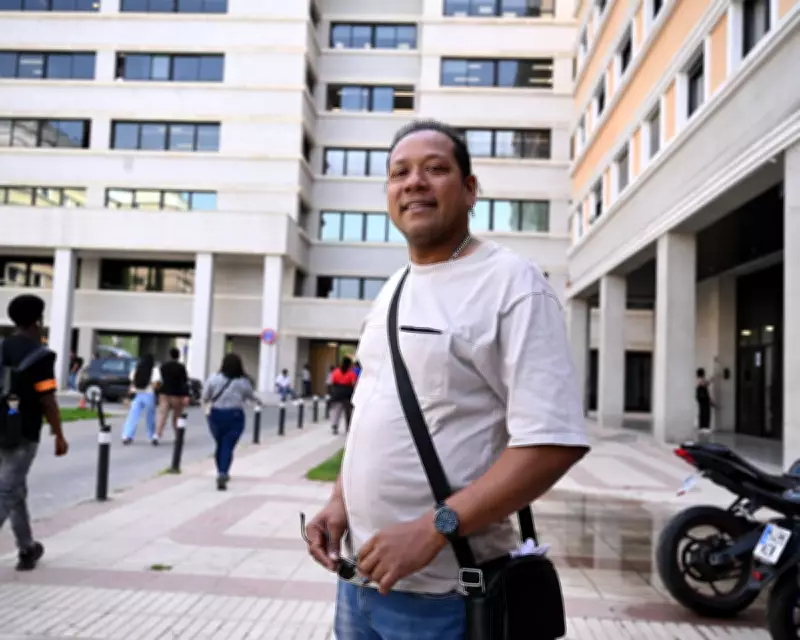
Near Calle Ponzano in Madrid, a stark contrast unfolds between the lively nightlife and the austere offices of the regional transport consortium. Here, migrants like Gimbad Mosquera, a 46-year-old musician from Antioquia, Colombia, are collecting certificates to prove prior residence in Spain. Mosquera, who has been in Spain for 13 months, hopes this document will allow him to play gigs across Europe with his vallenato band. "There's been lots of confusion and it's hard to know how to navigate the process," he said, highlighting the challenges many face.
Other applicants, such as Shiva Pyuthani and Sirjana Ghising from Nepal, aim to work in hospitality to support their families back home. Ghising explained, "We've come here so that we can work and so that we can earn money to send home." The scheme offers a one-year legal residence permit to those who arrived before December 31 last year, have been in Spain for at least five months, and have no criminal convictions.
Political and Social Implications
The regularization program has sparked intense political debate. The socialist government argues it brings workers out of the informal economy and grants them rights, while conservative opponents, including the People's party (PP) and far-right Vox, warn of overwhelming public services and demographic changes. Prime Minister Pedro Sánchez defended the move, asking, "When did recognising rights become something radical?" He emphasized the moral and economic benefits, noting past regularizations under PP governments.
Despite political squabbles, migrants rely on community support. Latin Americans, who constitute the majority of undocumented workers, use WhatsApp groups to share information, while NGOs organize talks with lawyers. One Peruvian woman noted, "The official information isn't great, so people are relying on NGOs or paying lawyers." Photos from across Spain show huge queues outside town halls, underscoring the high demand.
Economic Impact and Future Prospects
If successful, the scheme could significantly boost Spain's economy. A study on the 2005 regularization of nearly 600,000 immigrants found increased tax revenues of about €4,000 per person annually, with no evidence of encouraging further arrivals. Migrants like MD Abdal, a 23-year-old from Bangladesh, express gratitude and hope. "I think Spain is a kind, humanitarian country," he said, planning to work in a restaurant and integrate into society.
As the application period continues, the focus remains on providing decent work and stability for thousands, amidst ongoing bureaucratic and political challenges.




