
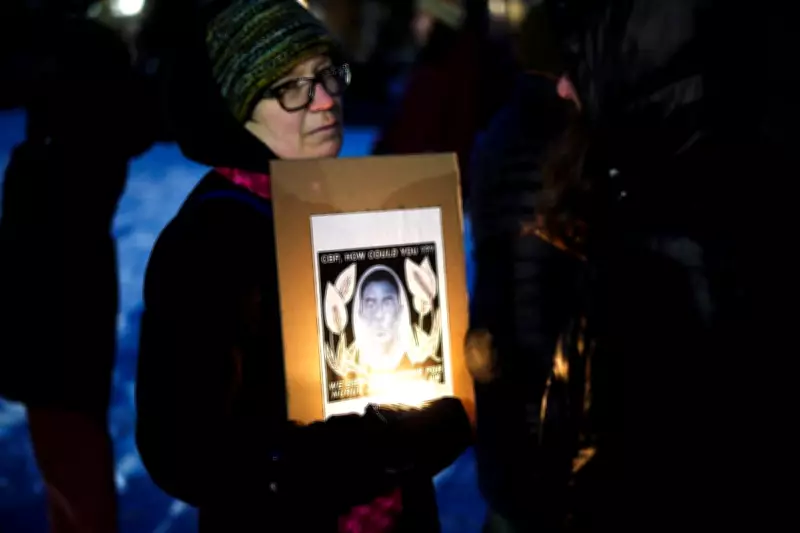
Since Nurul Amin Shah Alam's death in February, fear has gripped Buffalo's East Side. Alam, a 56-year-old Rohingya refugee from Myanmar who spoke no English and had mental health issues, was dropped by federal immigration officers outside a closed coffee shop in brutal winter weather after months in custody. He died days later.
Community Mobilization
Two months later, Rohingya refugees carpool in groups to work, and immigrant congregations are emptying as people fear leaving their homes, according to Assemblyman Jonathan Rivera. Azimah Jalil, program director and co-founder of the Rohingya Empowerment Community (REC), said the news triggered memories of military violence in Myanmar. She worries about her own father, who also has poor vision and limited English.
Buffalo's Rohingya community, historically cautious about confronting state institutions, is using Alam's memory as a catalyst. They are pushing for the New York for All act, which would prohibit local law enforcement from cooperating with federal immigration authorities, and demanding accountability for systemic failures.
REC's Role
REC, founded three months before Alam's death, has become the primary site for mobilization. The center helps with health insurance and daycare paperwork, and now hosts petition signings and rallies. For a community that learned survival through silence, showing up politically is significant.
Imran Fazal, REC co-founder, mobilized 40 community members to pack an immigration court hearing for Alam and coordinated an international letter-writing campaign. In early March, he stood with advocates at Niagara Square demanding the state legislature pass New York for All.
Unique Challenges
The Rohingya are a Muslim ethnic minority from Myanmar, called the most persecuted minority by the United Nations. Denied citizenship since 1982, they face severe military violence labeled genocide. Their oral language has no universally accepted script, and standard resettlement services fail them.
Alam's son, Mohammad Faisal Nurul Amin, said authorities didn't inform the family of his father's release. While a CBP spokesperson claimed Google Translate was used, Rivera noted Rohingya is not available on the platform, reflecting decades-long erasure.
Grassroots Efforts
Jalil and Fazal fund REC personally, including a mortgaged house. Their unpaid staff have served over 800 clients in five months, solving problems directly via WhatsApp voice notes. The center is open mornings and evenings, and weekends, as the couple work part-time jobs.
Fazal fled Myanmar by boat at age 23, surviving fifteen days at sea before detention in Indonesia. He learned English from scraps of paper and practiced with prison guards. Jalil crossed into Bangladesh as a teenager and interpreted for Rohingya women in Malaysia before resettling in Buffalo in 2015.
Ayet Ullah, 28, born in refugee camps in Bangladesh, organizes community dinners at the center to provide support without clinical therapy stigma.
Legislative Push
The New York for All act is central to budget negotiations. For Fazal, it represents dismantling a pipeline of fear familiar to genocide survivors. "We never imagined we would still have to live in fear," he said. REC is reclaiming agency and proving a community once denied a written language can help write laws. "You have to have individuals like us at the table when designing policy," he added.




