A City of London Corporation report has revealed that part of Hampstead Heath was purchased in the 19th century using funds indirectly connected to profits from the slave trade. The Local Democracy Reporting Service (LDRS) understands the report, due to be published in September, includes a damning list of historic councillors and aldermen with ties to the trade.
Report Details Connections
The report, commissioned by the City of London in December 2024, is led by Lancaster University’s Professor William Pettigrew. It identifies Lord Mayors, aldermen, and other members who served between 1640 and 1807 with financial interests in the slave trade, as well as related institutional investments. A paper published ahead of the commission noted that other institutions, such as the Bank of England and the Church of England, have already explored their histories.
According to the LDRS, the final report has been shared with the Corporation, and members have been invited to "awareness training" sessions before its publication. The report includes extensive details of connections between former Corporation members and the trafficking of African slaves.
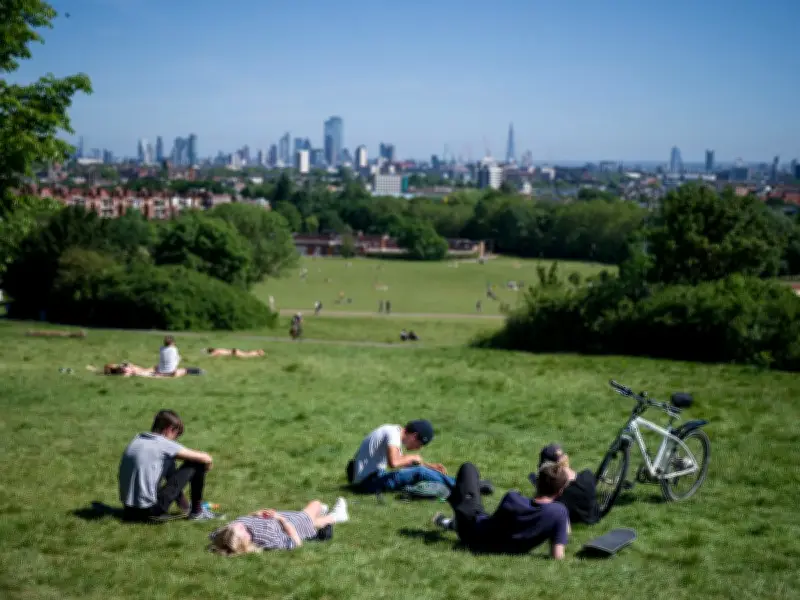
Parliament Hill Fields Purchase
One of the most eye-catching revelations is the purchase of Parliament Hill Fields, part of Hampstead Heath. The Metropolitan Board of Works bought Hampstead Heath in 1871, and it was later deemed necessary to purchase Parliament Hill Fields to its east. A new charity, the City Parochial Foundation, contributed to buying the additional land alongside other parties, including the Board of Works. However, the foundation had been formed from the combining of local parish charities that had benefited from donations from a number of traffickers.
A City of London Corporation spokesperson said: "To better understand this part of our history, we commissioned Professor William Pettigrew in 2024 to use the London Archives and the Register of British Slave Traders to research any historic links of the City Corporation and past elected members to the slave trade. Addressing this history openly and honestly is important as we build a City where everyone feels welcome and included. The report will be published later this year."
Broader Research
Lancaster University, the University of Manchester, and University College London are also expected to publish their own research into the slave trade later this year, titled The Register of British Slave Traders. It is anticipated to highlight "a great many connections" with the City of London.