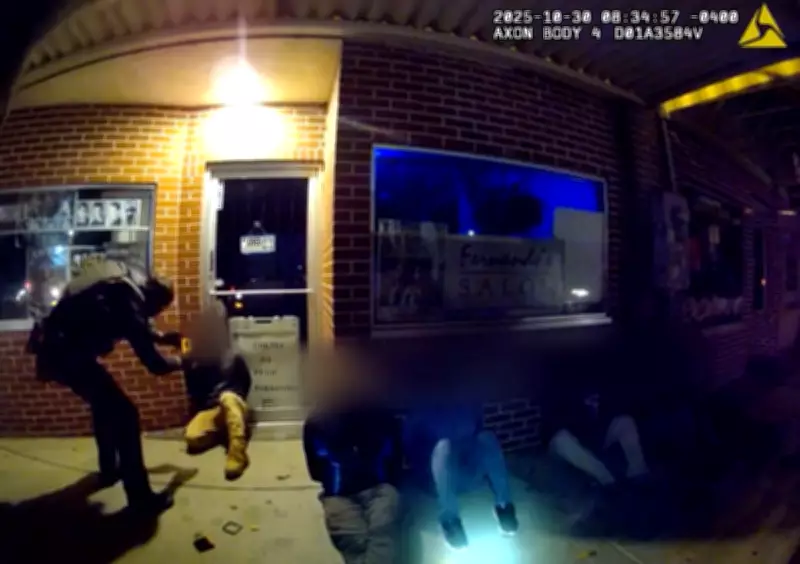
U.S. Immigration and Customs Enforcement (ICE) agents in Oregon have been employing facial recognition technology to identify and apprehend undocumented immigrants, according to newly obtained documents and interviews with current and former officials. The practice, which has been ongoing for at least two years, involves cross-referencing driver’s license photos and other state databases without a warrant, raising significant privacy and civil liberties concerns.
How the System Works
The facial recognition system, developed in partnership with the Oregon Department of Transportation and local law enforcement, allows ICE agents to submit photos of suspected undocumented immigrants and receive matches from the state’s database of over 3 million driver’s license and ID card images. Agents can then use this information to locate and arrest individuals. According to internal emails obtained by the Guardian, ICE agents have used the system in hundreds of cases, often without judicial oversight.
Privacy and Legal Concerns
Civil rights groups argue that the program violates Oregon’s privacy laws, which restrict the use of facial recognition technology by government agencies. The Oregon Law Center has filed a lawsuit challenging the practice, claiming it disproportionately targets Latino and other minority communities. “This is a clear overreach that undermines trust in state institutions,” said Maria Hernandez, an attorney with the center. “People should not have to fear that a routine trip to the DMV will lead to their deportation.”
ICE officials defend the program as a necessary tool for enforcing immigration laws and ensuring public safety. “Facial recognition helps us identify individuals who pose a threat to our communities,” said an ICE spokesperson. “We operate within the bounds of the law and with the cooperation of state agencies.”
Impact on Immigrant Communities
Advocates say the technology has created a climate of fear among immigrants, discouraging them from obtaining driver’s licenses or interacting with government services. In Oregon, undocumented immigrants are eligible for driver’s licenses under a 2019 state law, but many now worry that their information could be shared with federal authorities. “This is a betrayal of the promise that the DMV is a safe space for all residents,” said Carlos Ramirez, director of the Oregon Immigrant Rights Coalition.
State officials have distanced themselves from the program, with the Oregon Department of Transportation stating that it only shares data in compliance with state and federal law. However, the agency has not publicly disclosed the extent of its cooperation with ICE.
Broader Implications
Oregon is not alone in using facial recognition for immigration enforcement. Similar programs have been reported in several other states, including Texas, Florida, and Washington. The practice has drawn scrutiny from federal lawmakers, who have proposed legislation to limit the use of facial recognition by immigration authorities. Meanwhile, privacy advocates are calling for a nationwide moratorium on the technology until safeguards are in place.
The controversy in Oregon underscores the growing tension between technology-driven enforcement and civil liberties. As facial recognition becomes more widespread, the debate over its use in immigration cases is likely to intensify.