
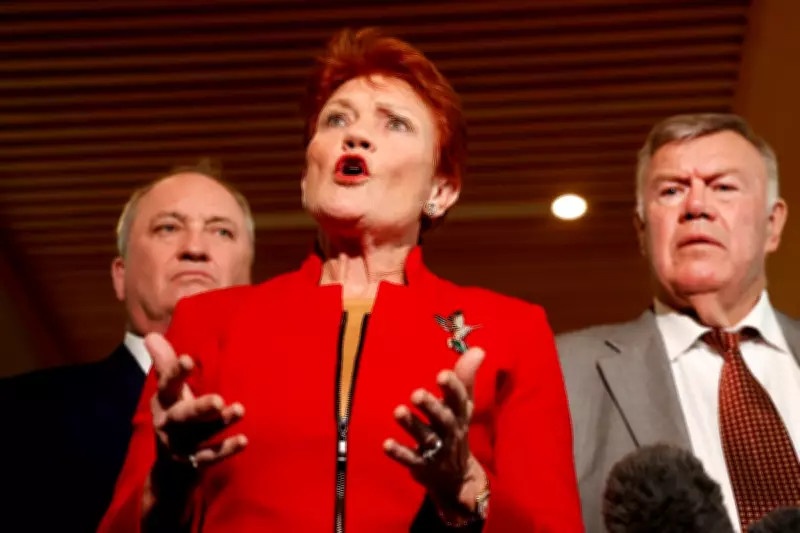
The rise of rightwing populism in Australia has found a new champion in Pauline Hanson, whose One Nation party is experiencing a surge in public support. This comes as major political parties struggle to maintain their grip on an increasingly fractured electorate. The 71-year-old flame-haired leader, once a pariah for her views on immigration and race-based stunts, is now riding a wave of global populism that has seen her party secure its first federal lower house seat in decades.
A Historic Win in Farrer
One Nation won the Farrer byelection in May, capturing a seat held by the conservative coalition for over 75 years. The victory, with nearly 40% of the vote, dealt a severe blow to the Liberal-National coalition. Opposition leader Angus Taylor described it as an existential moment for the coalition, which has seen its support collapse over the past year. The win was a clear signal that One Nation is a force to be reckoned with, not just in regional areas but potentially in Labor-held territories as well.
Populist Messaging Resonates
Hanson's platform mirrors that of global populists like Donald Trump and Nigel Farage: anti-immigration, anti-climate action, and anti-establishment. She has positioned herself as an outsider fighting for the common person against elite political elites. This message has resonated with voters feeling left behind by economic changes and disillusioned with mainstream politics. Barnaby Joyce, a former National party leader who defected to One Nation, noted a widespread frustration in the community about the lack of vision and the fear of leaving a lesser nation to future generations.
Anti-Immigration Core
Since her first parliamentary speech in 1996, where she called for multiculturalism to be abolished and warned of being swamped by Asians, Hanson's anti-immigrant agenda has remained central. While the targets of her rhetoric have shifted, the core message remains the same. This stance has been amplified in the wake of the Bondi Beach terror attack in December, which One Nation quickly used to push for stricter immigration policies.
Impact on Major Parties
The rise of One Nation is reshaping Australian politics. The Coalition, desperate to halt its decline, has adopted populist policies on immigration and abandoned net zero emissions targets, following One Nation's lead. Labor, too, is feeling the pressure, with voters in working-class suburbs flocking to Hanson. The government recently reneged on a promise not to touch property investor tax concessions, a move seen as an attempt to address economic anxieties driving voters to populism.
Political analyst Jill Sheppard from the Australian National University notes that the major parties have left a void in vision and policy, allowing One Nation to capitalize on voter distrust. With Hanson on the march, both major parties are scrambling to find a response, but as Treasurer Jim Chalmers warned, they cannot afford to stand still.




