
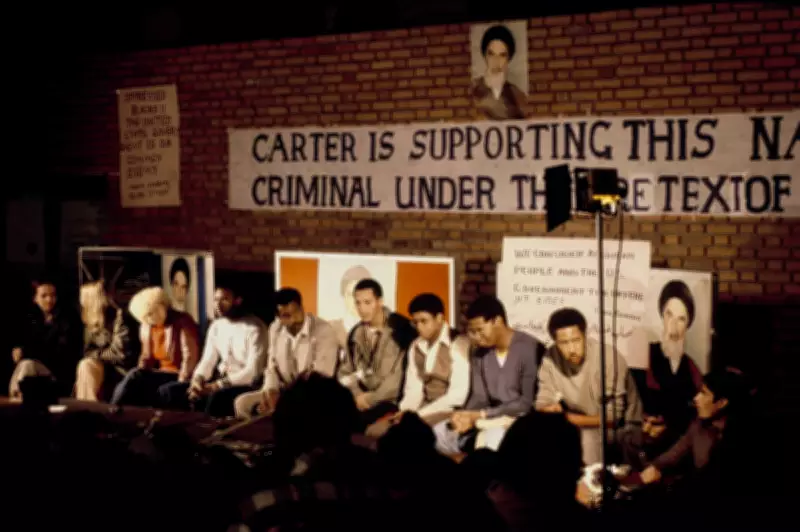
In the 1979 Iran hostage crisis, 66 Americans were taken captive at the US embassy in Tehran. Sixteen days later, 13 hostages were released, including 10 Black Americans. Sgt James Hughes, one of those freed, reflects on his experience and the political dynamics that led to their early release.
Why Were Black Hostages Released Early?
Iran’s revolutionary leader Ayatollah Ruhollah Khomeini claimed solidarity with America’s marginalized classes, stating that Black Americans had long lived under oppression. The move aimed to pressure the US and bolster the revolution’s legitimacy. However, it also highlighted how Black American history is often repurposed for foreign political agendas.
James Hughes’s Story
Hughes, then a 30-year-old air force sergeant, arrived in Tehran in fall 1979. He described the job as boring until the embassy was overrun on 4 November. Blindfolded and tied, he survived on rice, water, and goat cheese. During an interrogation, a pistol was pressed to his temple, and he thought he would die. After 16 days, he was among those released, though he says he was handcuffed and taken under armed guard to the airport.
Historical Context and Aftermath
The early release sparked debate among Black Americans. Some, like Vernon Jordan, argued the hostages should have stayed in solidarity. Hughes received hate mail calling him a coward. The hostages held for the full 444 days received up to $4.4 million each in restitution, while those freed early got nothing. Hughes calls that treatment “a little racist.”
Today, Black Americans oppose the current US-Iran conflict at higher rates than other groups. Hughes, now 76, says young Black Americans are embracing their history more, even as it faces erasure. He remains respectful of the chain of command but questions the “Make America Great Again” slogan: “How far back do they want to go?”




