
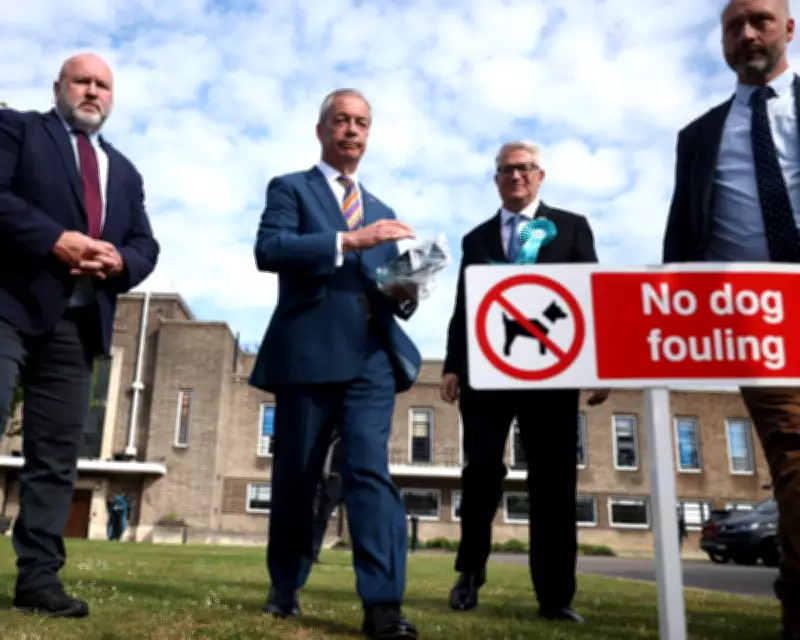
Nigel Farage's Reform party has achieved a stunning breakthrough in the recent UK general election, securing a significant number of seats and reshaping the political landscape. The results mark a profound shift in British politics, with Reform tapping into widespread discontent with the traditional parties.
The Rise of Reform
Farage, a seasoned political disruptor, has long been a controversial figure. His new party, Reform, has capitalised on voter frustrations over immigration, sovereignty, and economic stagnation. The election results show Reform winning seats across England, particularly in areas that voted heavily for Brexit in 2016.
Impact on the Political Spectrum
The success of Reform has sent shockwaves through the Conservative and Labour parties. Both are now grappling with how to respond to the populist surge. Analysts suggest that the traditional left-right divide is being replaced by a new cleavage between globalist and nationalist forces.
Reform's platform includes stricter immigration controls, lower taxes, and a more assertive foreign policy. Farage has also called for a radical overhaul of the civil service and a reduction in the power of the judiciary.
Voter Disenchantment
Many voters who supported Reform expressed a deep sense of betrayal by the established parties. "They promised us change but delivered nothing," said one voter in Sunderland. "Farage is the only one who tells it like it is."
The party's success was particularly notable in working-class areas that had traditionally been Labour strongholds. This suggests that Labour's coalition is fracturing, with many working-class voters now turning to Reform.
Challenges Ahead
Despite its electoral success, Reform faces significant challenges. The party must now translate its protest vote into effective governance. Critics argue that Farage's simplistic solutions will not work in practice, and that his divisive rhetoric could harm social cohesion.
Moreover, Reform's internal structure remains fragile. The party is heavily reliant on Farage's personal charisma, and there are few other figures of national stature. The coming months will test whether Reform can evolve from a protest movement into a sustainable political force.
A New Political Era
The 2026 election will be remembered as a watershed moment. The old certainties of British politics have been swept away, and a new, more volatile era has begun. Whether this leads to positive change or further instability remains to be seen.
What is clear is that Nigel Farage has once again defied his critics. His Reform party is now a major player in British politics, and the country will have to come to terms with that reality.




